


SmartPage at the KTE Conference
SmartPage at the KTE Transport Development and Investment Conference
The 26th Transport Development and Investment Conference is one of Hungary’s leading multi-day professional forums, focusing on current challenges in transport development, investment priorities, and technological innovation.
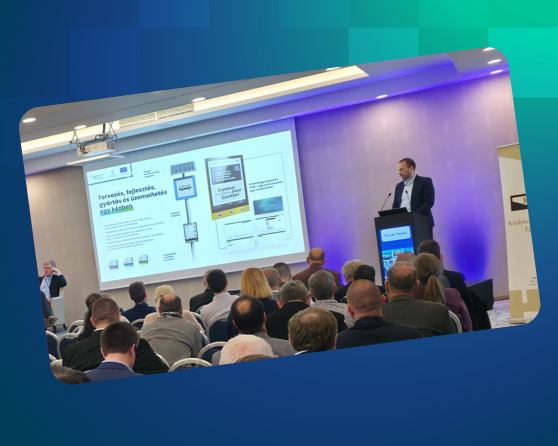
Held between March 24–26, 2026 in Bükfürdő, the event also featured a presentation by our Lead Project Engineer. Under the title “Real-time passenger information with the SmartPage e-paper display system”, the session introduced both the concept behind the solution and key insights from its practical implementation.
Following the event, a detailed professional article will also be published in the online journal of the Hungarian Scientific Association for Transport. Below is a summary of how the SmartPage system works and the benefits it delivers.
Real-time passenger information with the SmartPage e-paper display system
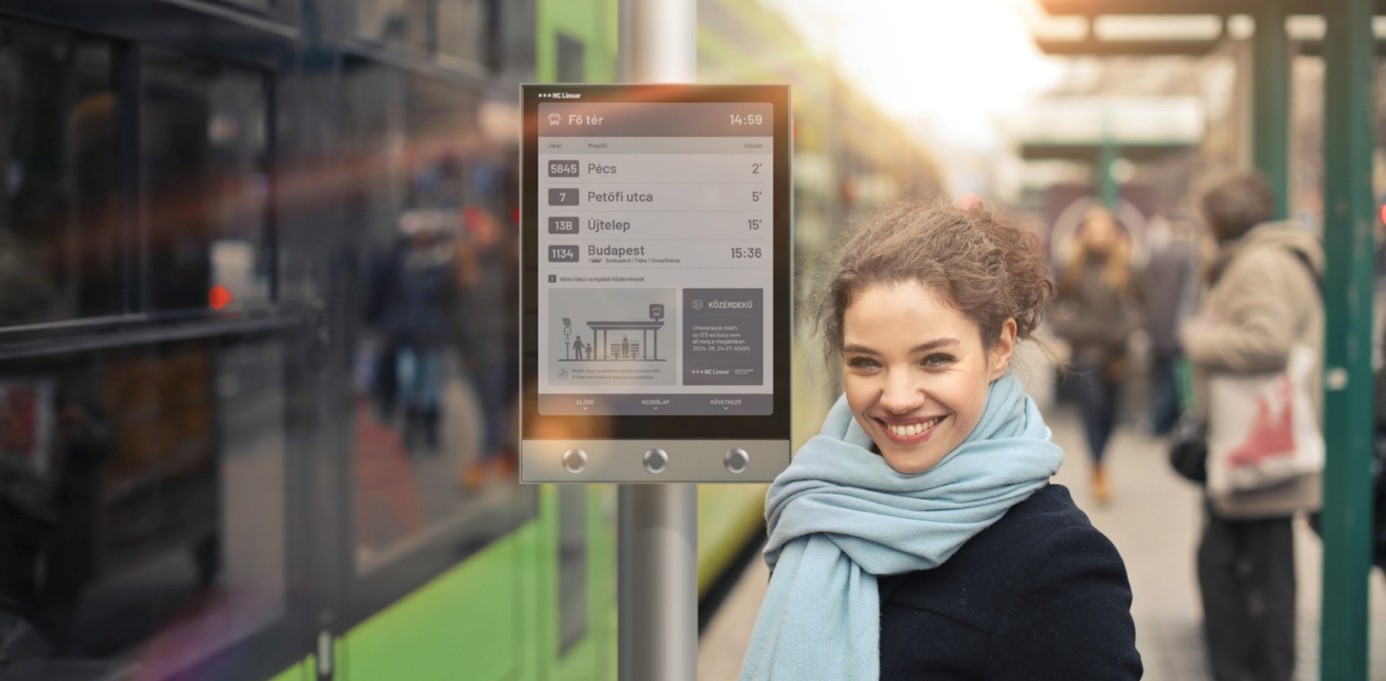
In public transport, access to accurate and reliable information is one of the most important factors shaping the passenger experience. Timely updates on schedules, delays, and unexpected changes have a direct impact on how services are perceived.
Developed by HC Linear, the SmartPage e-paper-based passenger information system offers a sustainable and cost-efficient solution to this challenge.
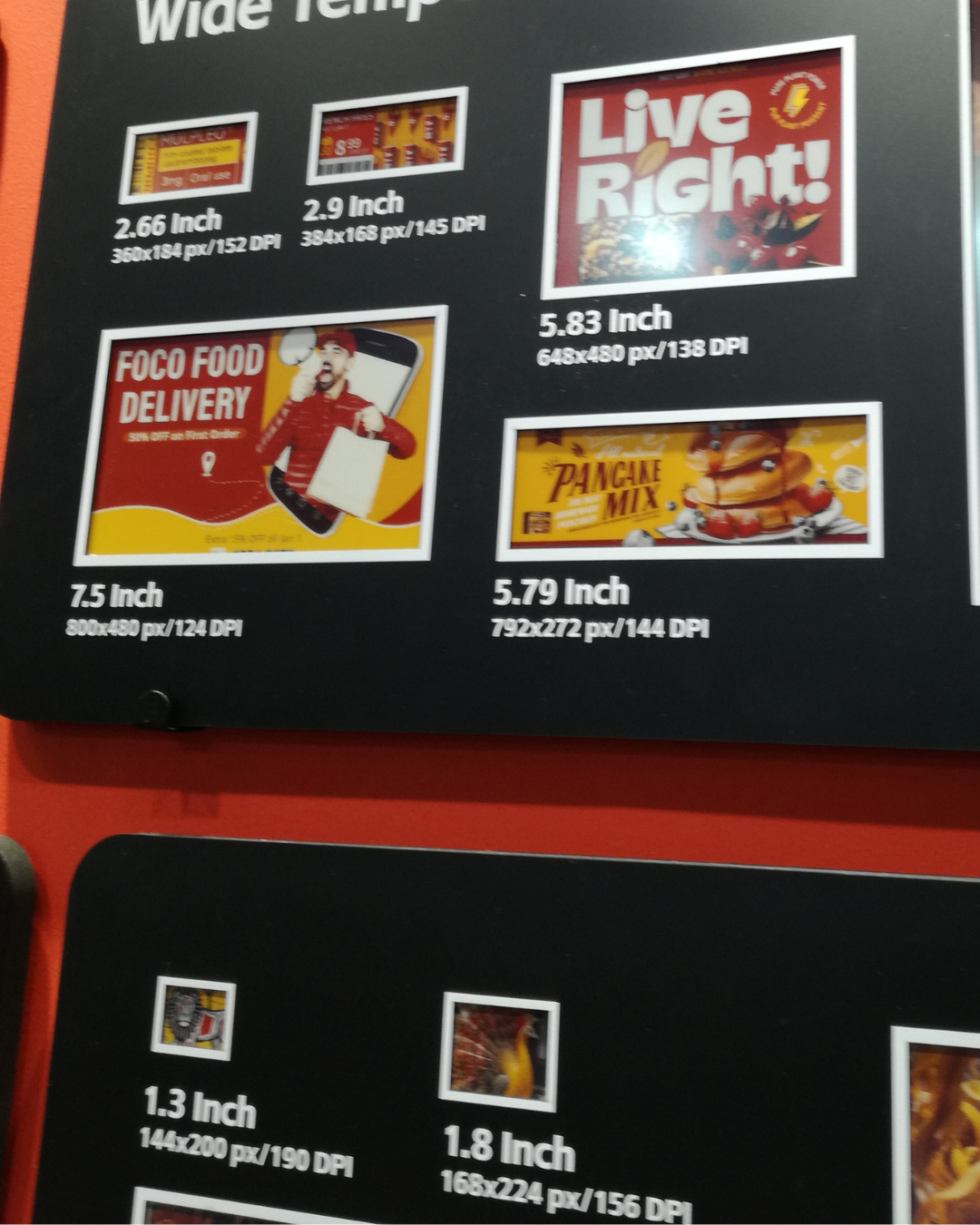
The system is designed to provide real-time, dynamically updated information for passengers waiting at stops, while minimising energy consumption and infrastructure requirements. Built on e-paper technology, SmartPage displays are particularly well suited to locations where installing LED or TFT displays would be too costly or technically complex.
One of the key advantages of e-paper technology is that it only consumes power when content is updated, making it extremely energy efficient. As a result, SmartPage devices can operate without a fixed power connection, using batteries or even solar energy.
Thanks to their paper-like appearance, the displays remain highly readable even in strong sunlight, providing consistently high contrast. Designed for outdoor use, the devices withstand harsh weather conditions and can be easily installed on poles or walls.
Through a remote management platform, all displays can be monitored and controlled in real time. Operators can manage content, check device status, and access diagnostic data from a single interface. In addition to timetable information, the system supports a wide range of content, including local news, community updates, and municipal messages, which can be scheduled across multiple pages.
User interaction is reflected in navigation activity, with deployed devices recording an average of 3,000 button presses per month per unit.
QR codes can also be displayed, allowing passengers to instantly access additional digital content or participate in surveys.
Feedback collected by HC Linear shows that the vast majority of users describe their first interaction with the display as positive. Many highlight the convenience of instantly seeing when the next vehicle will arrive, without needing to check mobile apps or printed timetables.
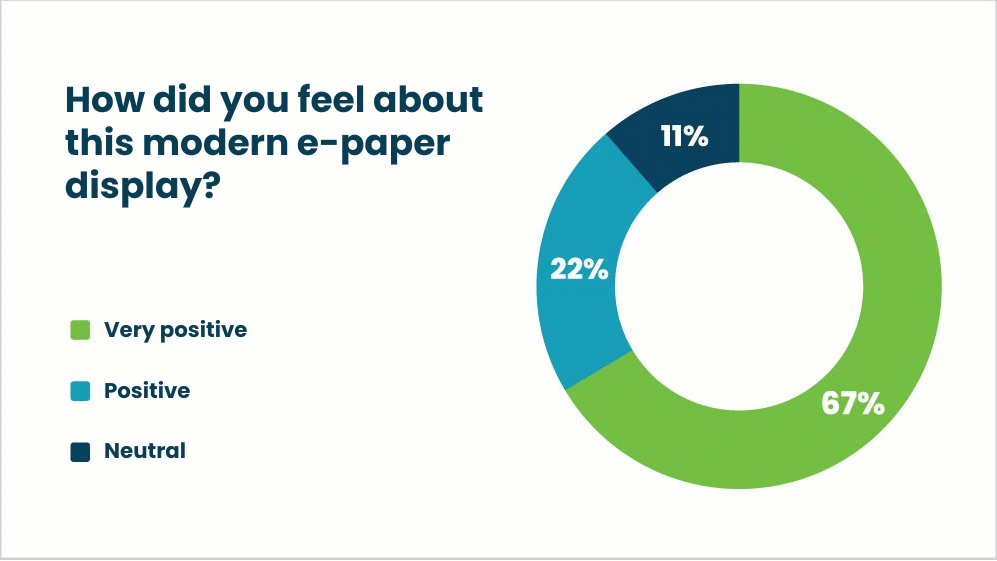
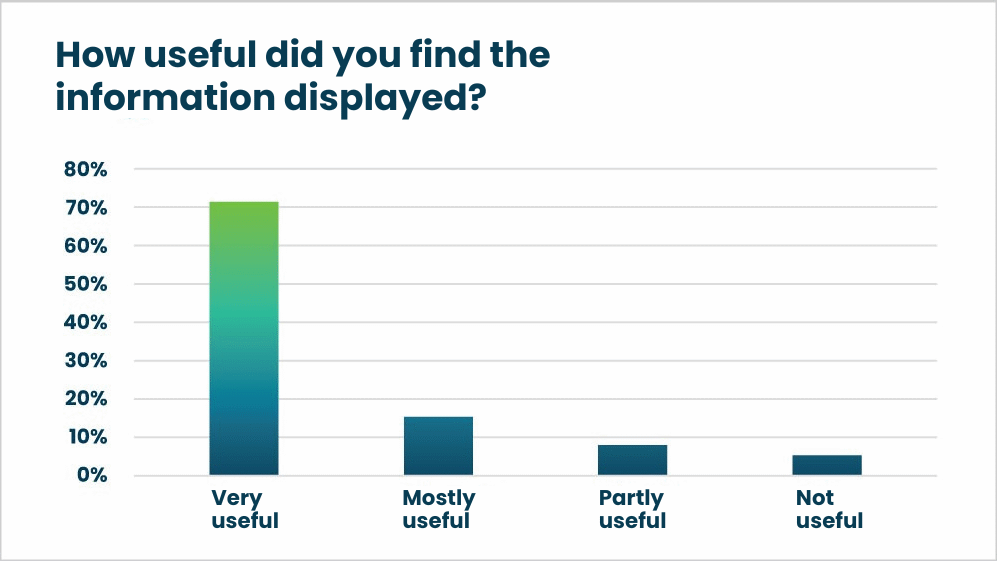
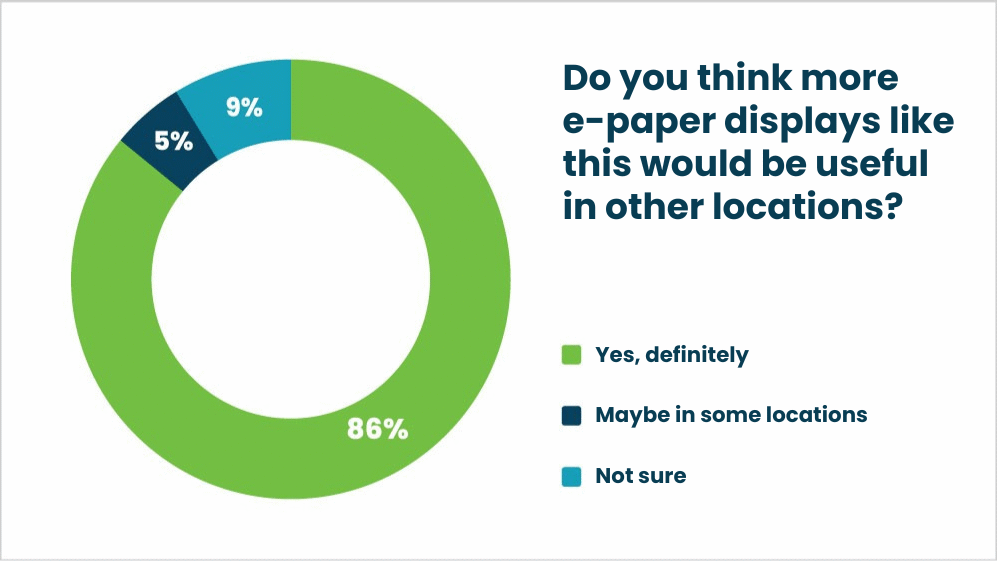
A significant share of respondents would welcome the wider deployment of such displays, particularly at busy hubs and at stops where no digital passenger information is currently available.
Energy-efficient digital infrastructure is playing an increasingly important role in the development of public transport, supporting both passenger convenience and cost-efficient operation. SmartPage e-paper displays offer a simple digital alternative to paper-based timetables and a foundation for a modern, future-ready passenger information system.
HC Linear, the Hungarian company behind the system, has more than 35 years of experience in the research, development, and manufacturing of electronic and software systems. Its R&D centre in Pécs is home to an in-house engineering team working on hardware, software, and system integration solutions.
HC Linear’s transport IT systems are deployed across multiple countries, cities, and regions, helping to simplify mobility for millions of passengers every day.
Embedded World 2026
Where Are Embedded Systems Headed?
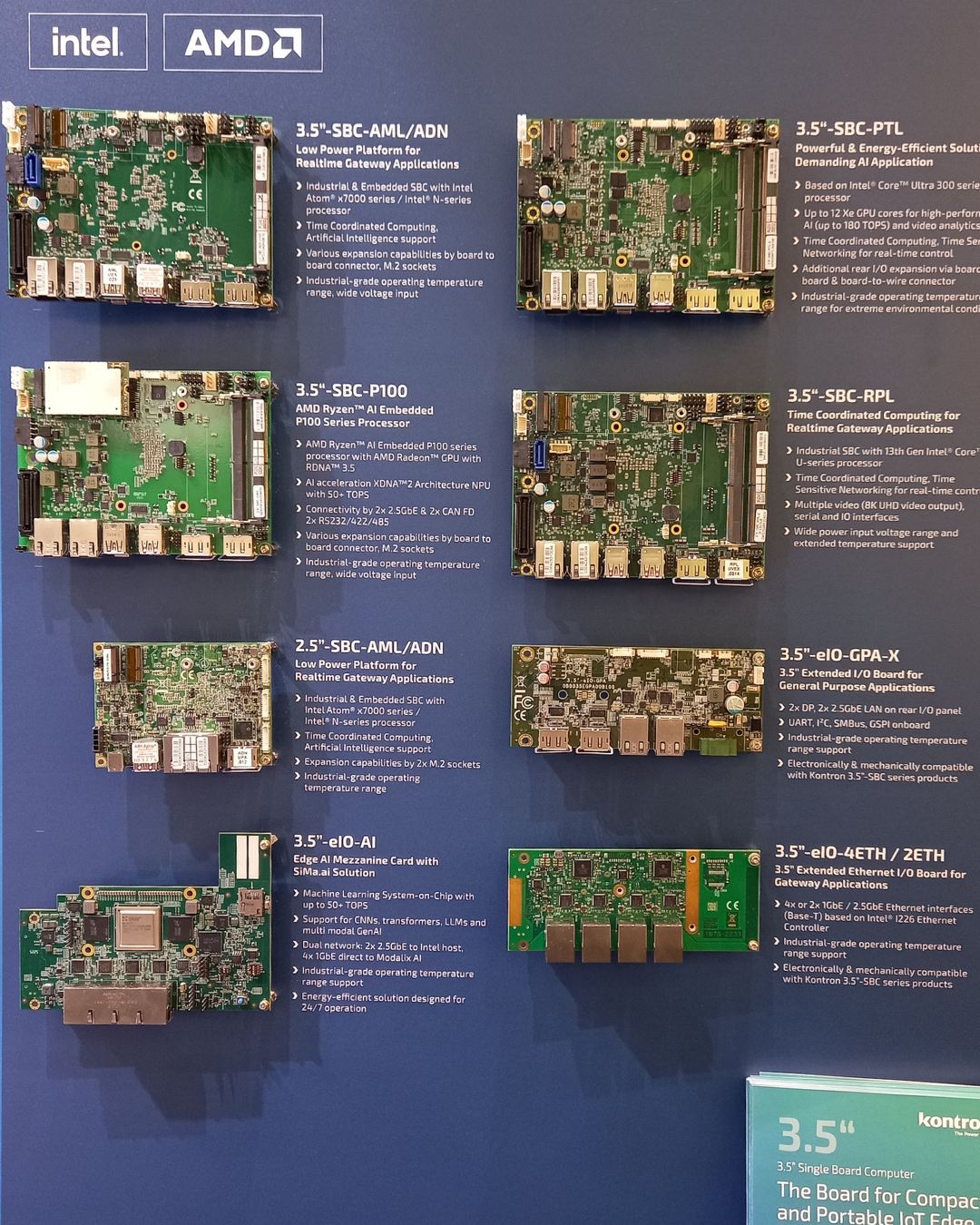
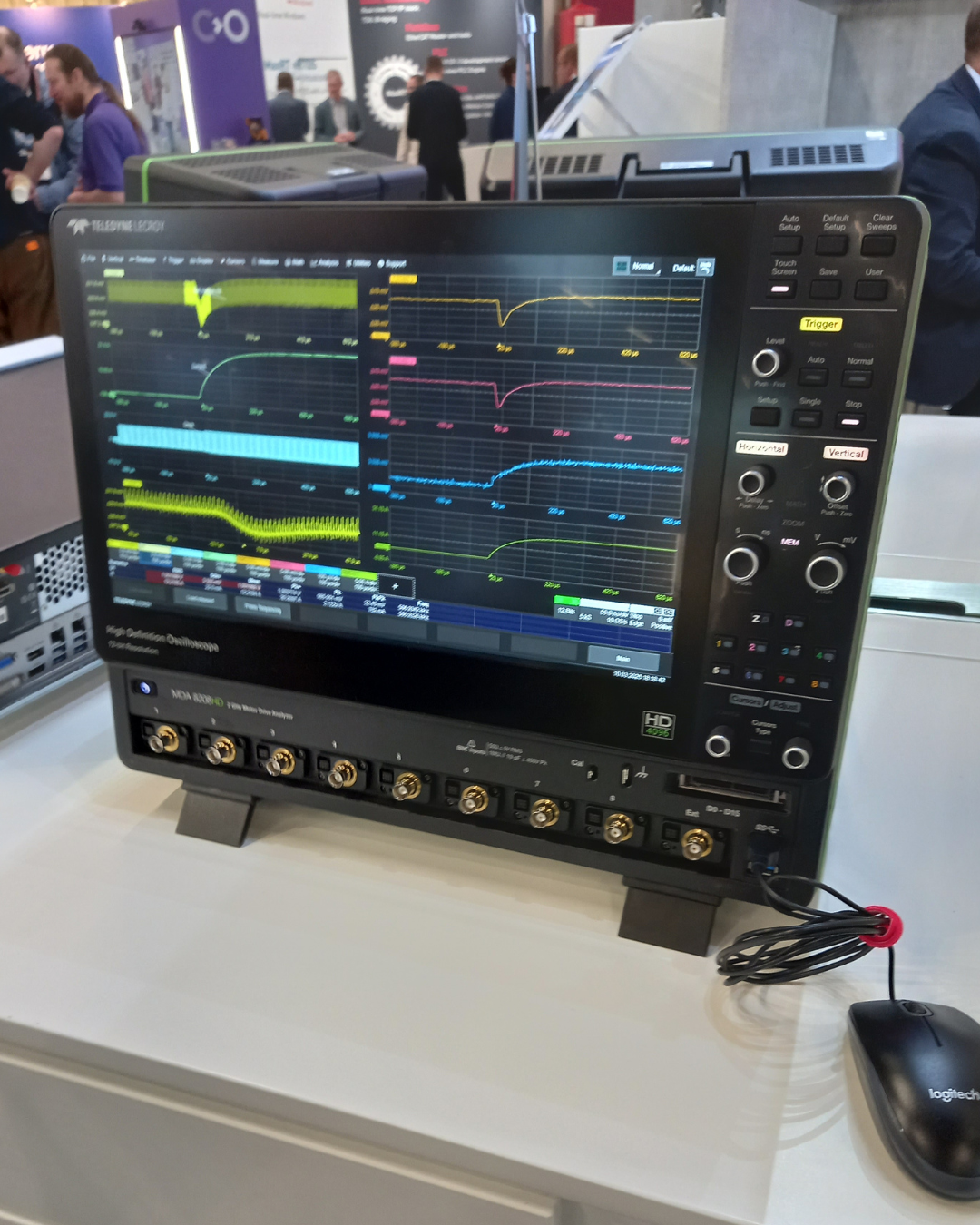
The evolution of embedded technology continues to reshape established boundaries. This shift was particularly evident at Embedded World 2026 in Nuremberg, where our team spent three days exploring the latest industry developments and gaining a comprehensive view of where the market is heading.
New Perspectives
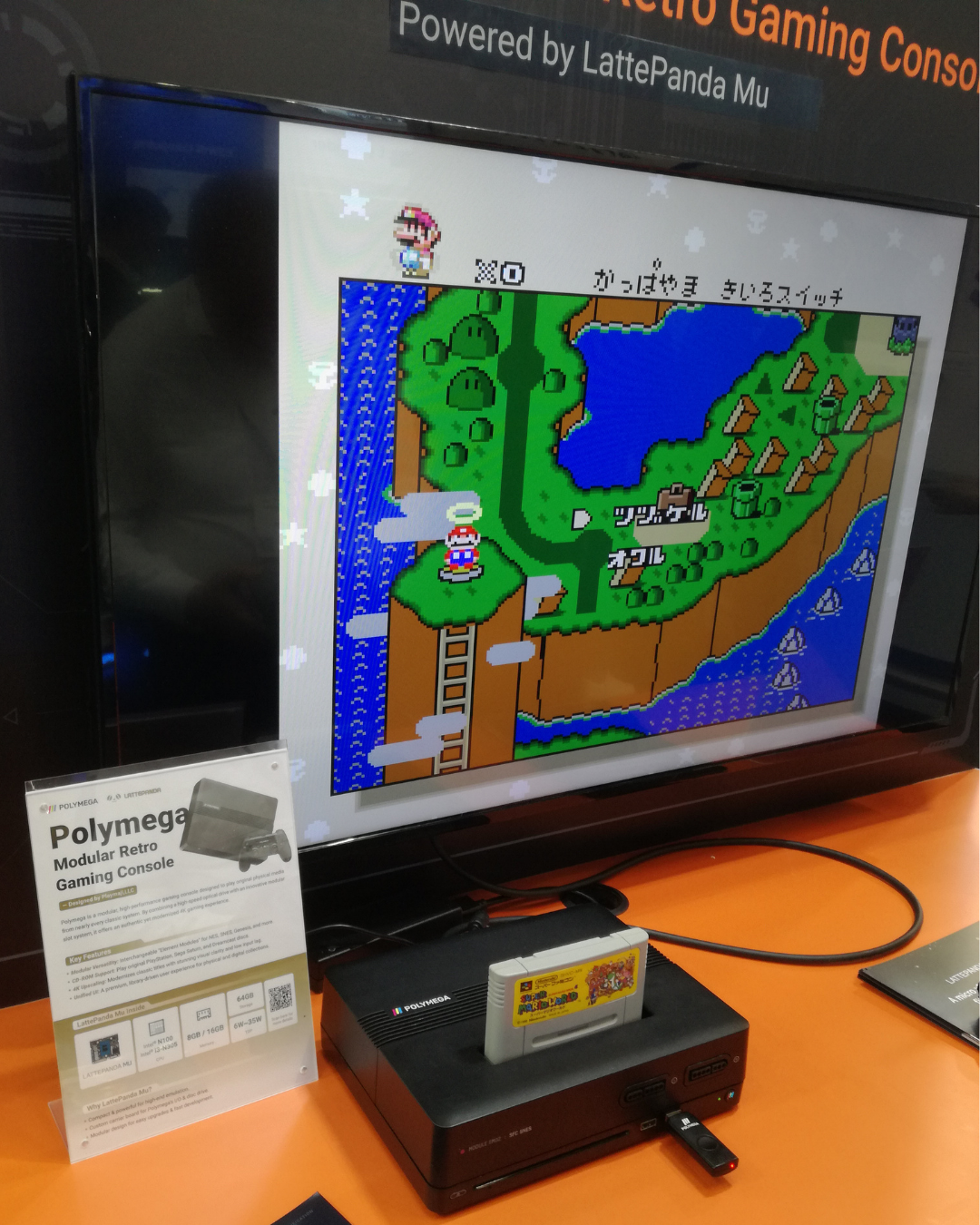
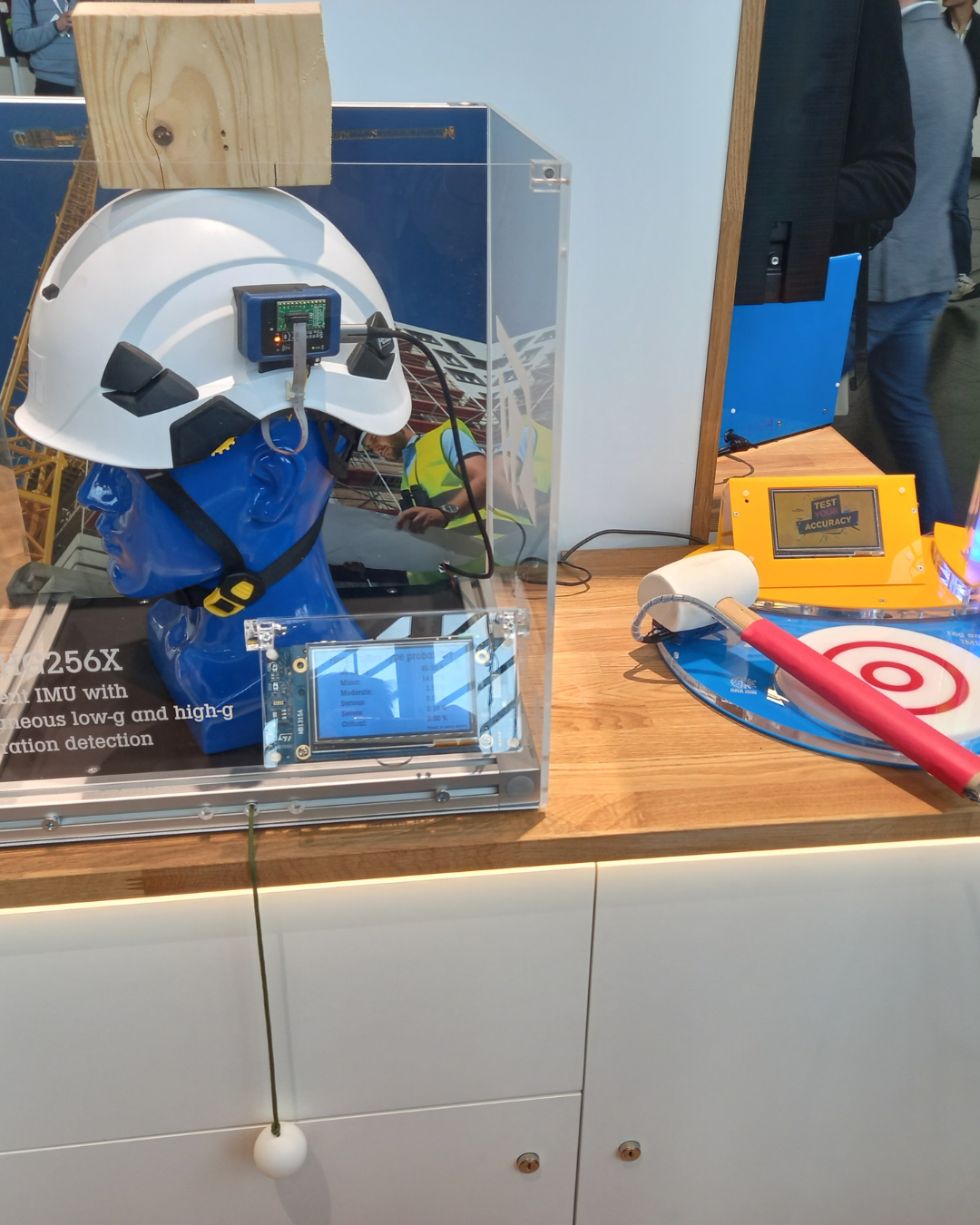
While our visit followed a carefully structured professional agenda, some of the most valuable insights came from beyond the planned meetings. This is one of the exhibition’s greatest strengths. Even when you arrive with clear objectives, you inevitably encounter solutions that challenge your assumptions and open up new perspectives for everyday development work. In the following, we present a selection of these insights.
Rigid-Flex vs. Semi-Flex in Practice
Rigid-flex PCBs remain the go-to solution when circuits need to conform to complex geometries. Their key advantage lies in their ability to withstand repeated bending while supporting tight bend radii. In addition, eliminating bulky connectors enables more compact designs.
However, our experience at the exhibition reinforced a well-known trade-off. Rigid-flex designs typically require custom stack-ups, which increases both manufacturing complexity and cost.
Semi-flex solutions, on the other hand, offer a compelling middle ground. These designs use standard FR4 material in a thinned configuration, allowing for limited bending. While they are not suitable for dynamic flexing, they are ideal for shaping during assembly. Thanks to fixed layer stack-ups and the possibility of pooled manufacturing, semi-flex PCBs can be a highly cost-effective option, especially for small to medium production runs.
This contrast clearly highlights a fundamental principle. Selecting the right technology always depends on the specific application environment.
Open Toolchains in the FPGA Ecosystem
The FPGA landscape is still largely dominated by closed ecosystems, but we are starting to see meaningful shifts. Some emerging players are actively working to change this.
For example, Cologne Chip offers FPGA solutions supported by open-source toolchains. This represents a significant step forward for companies looking to reduce vendor lock-in or gain greater control over their development workflows.
At the same time, FPGA-based System-on-Module solutions continue to play a key role, particularly in simplifying integration for complex systems.
System-in-Package: When Space Is Critical
System-in-Package solutions are increasingly positioning themselves as an alternative to traditional System-on-Module architectures. Their primary advantage is compactness, which is an essential factor in applications where every square millimeter counts.
This level of integration, however, comes with added complexity. BGA packaging increases both design and manufacturing challenges and requires higher engineering expertise as well as more precise production technologies.
System-in-Package is a clear example of a broader industry trend. Miniaturization often goes hand in hand with increased complexity.
Rethinking Touch Interfaces
One of the most interesting developments we observed was in the field of human-machine interfaces. Several manufacturers showcased solutions that combine the flexibility of touchscreens with the tactile feedback of mechanical controls.
The concept is simple and effective. Mechanical elements such as buttons or rotary knobs are mounted on the surface of a touchscreen and physically actuate it. This approach delivers tangible feedback without requiring additional electrical integration.
The result is reduced system complexity and a significantly improved user experience. This can be particularly valuable in environments where reliable feedback is critical, such as industrial control interfaces.
At the same time, haptic feedback technologies are reaching new levels of maturity, with some solutions now convincingly replicating the feel of mechanical switches.
Based on what we saw at Embedded World 2026, engineering decisions are increasingly made at system level. PCB technology, integration approach and interface design are no longer separate topics but tightly linked choices that directly impact performance and manufacturability. The challenge is not access to new technologies, but using them in a way that fits the actual application.