


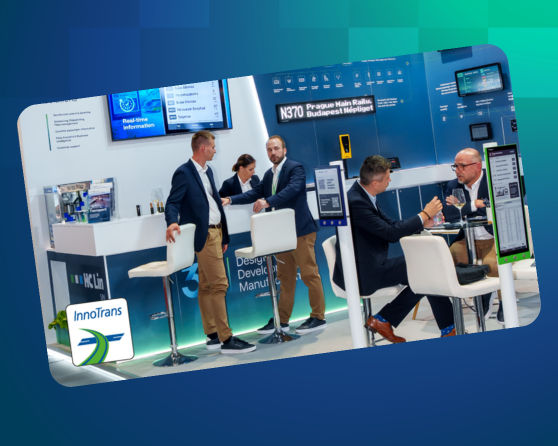
InnoTrans 2026
InnoTrans 2026 – The Digital Future of Transportation
InnoTrans 2026 has come to an end in Berlin, where the latest technologies and key development trends shaping the transport industry took centre stage over four days. Celebrating its 30th anniversary, the trade fair once again demonstrated how rapidly the world of mobility is evolving and the growing role digitalisation plays in this transformation.
The scale of this year’s event alone reflects the international significance of the industry. A total of 3,190 exhibitors from 59 countries gathered in Berlin. The exhibition covered 42 halls and around 200,000 square metres, attracting a record number of nearly 175,000 trade visitors.
In this article, we look back at the key takeaways from InnoTrans 2026 and explore the technological trends that are expected to shape the future of transport in the years ahead.
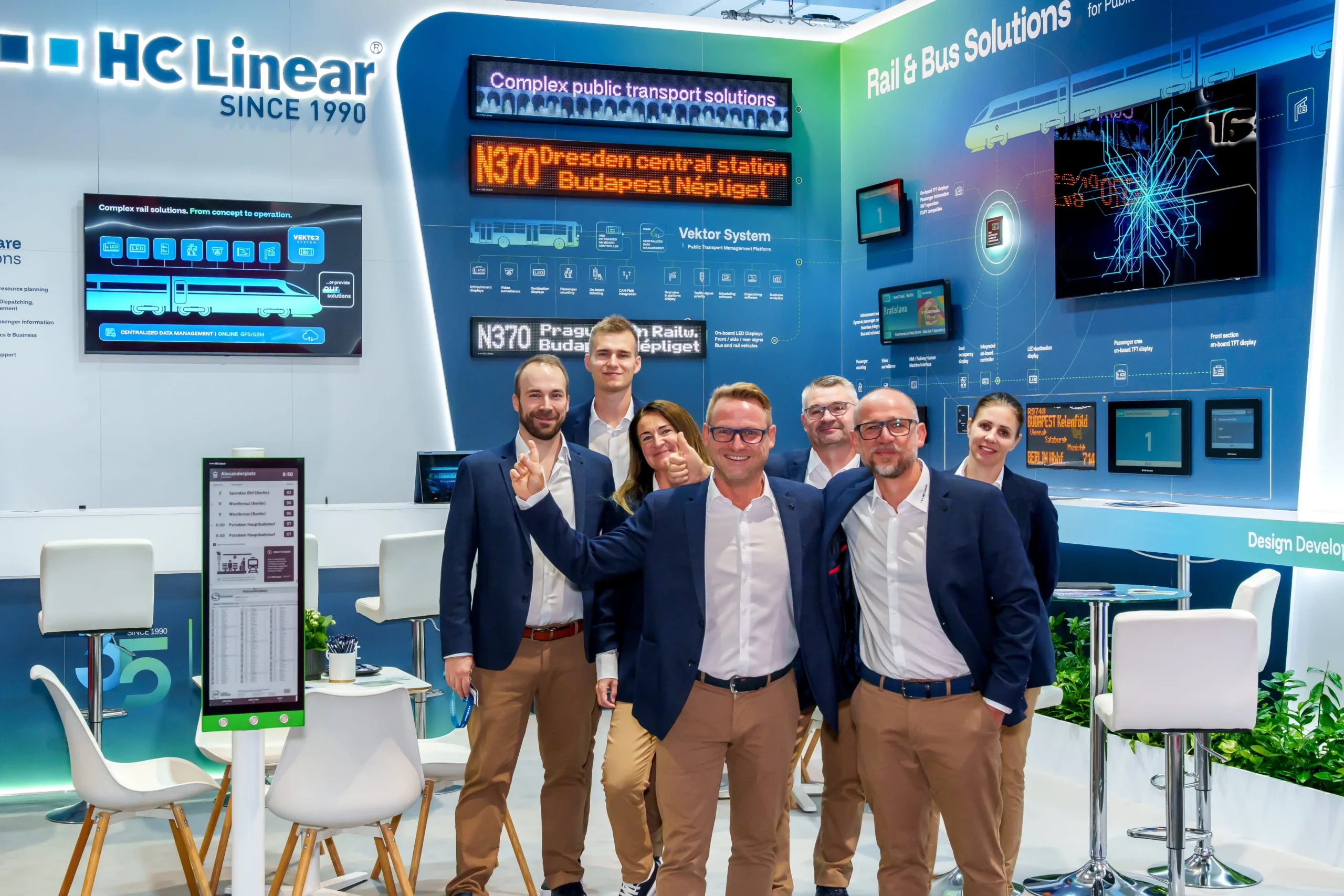
Digitalisation is now an integral part of transport
One of the strongest messages of the exhibition was that digitalisation is no longer a promise of the future, but already an integral part of today’s transport systems. Artificial intelligence, automation and robotics are increasingly being used in practical applications, from maintenance and inspection to supporting day-to-day operations.
This year’s InnoTrans featured 180 world premieres, highlighting just how quickly new technologies are moving from development into practical applications.
Connected systems in public transport
The pace of development is particularly evident in public transport, where, alongside vehicles and infrastructure, the digital systems operating behind the scenes are becoming increasingly important. These systems collect and transmit data, turning it into useful information that supports more efficient and connected transport services.
Intelligent passenger information, digital ticketing, accessible navigation, automated transport solutions and data-driven operations are therefore increasingly working together as part of a connected system.
Innovation and reliability
As technology continues to advance, so do expectations. Transport systems need to be not only intelligent, but also reliable, safe and energy-efficient. Sustainability was therefore one of the key themes at InnoTrans, with solutions ranging from energy-efficient technologies and alternative propulsion systems to more sustainable long-term operations.
At HC Linear, we share this approach. We develop and manufacture electronics, hardware and software in-house and combine them with system integration to create complex transport IT solutions that are built not only on advanced technologies, but also on reliable day-to-day operation. With 35 years of R&D experience, we work to ensure that our solutions perform reliably in real-world applications and deliver long-term value.
InnoTrans Guide
A Visitor’s Guide to InnoTrans
InnoTrans is one of the world’s leading trade fairs for the transport industry, bringing together companies, technologies and experts from across the mobility sector. With so much to see and so many people to meet, a little planning can make a big difference, especially if this is your first visit.
The scale of the event speaks for itself. InnoTrans 2024 brought together 2,946 exhibitors, including HC Linear, and 169,214 visitors from 128 countries. The 2026 edition will once again fill all 42 halls at Messe Berlin, covering around 200,000 m² of exhibition space. With four days to explore the show, seeing everything simply isn’t realistic. The key is knowing what you want to get out of your visit.
How to make the most of your first InnoTrans
1. Get familiar with the venue
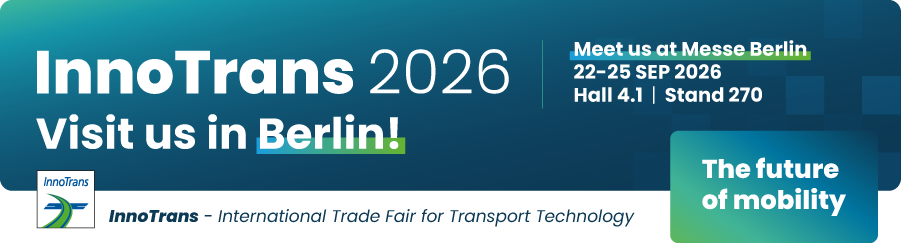
InnoTrans 2026 takes place from 22 to 25 September at Messe Berlin (Messedamm 22, 14055 Berlin).
The show is divided into five main segments covering Railway Technology, Railway Infrastructure, Public Transport, Interiors and Tunnel Construction. Alongside the indoor exhibition, the Outdoor and Rail Display is one of InnoTrans’ highlights. Across 3,500 metres of track, you can see a wide range of rail vehicles up close. The Bus Display and Demonstration Course also gives bus manufacturers the opportunity to showcase their vehicles.
2. Plan your visit and leave room for the unexpected
Start by thinking about what you want to achieve. Are you looking for a specific technology, potential suppliers or new business partners? Make a shortlist of the companies you don’t want to miss.
The InnoTrans Plus web platform and mobile app make it easy to explore exhibitors ahead of the show, save the companies you are interested in and plan your route around the halls.
At the same time, don’t over-schedule yourself. Some of the most valuable conversations can happen unexpectedly, so leave room for discovering new technologies, meeting new people and having conversations that go beyond your original plan.
3. Make getting around Berlin easy
Your valid InnoTrans admission ticket includes free public transport within Berlin’s ABC fare zones for the duration of your ticket’s validity.
Messe Berlin is well connected by U-Bahn and S-Bahn. For Messe Nord and Palais Berlin, take the U2 to Theodor-Heuss-Platz or the S41, S42 or S46 to Messe Nord/ZOB. For Messe Süd, CityCube and hub27, take the S3 or S9 to Messe Süd.
Before you set off, check the latest routes, travel times and ticket information with VBB, BVG or Deutsche Bahn.
4. Book the meetings that matter
If there are exhibitors or potential partners you definitely want to meet, arrange your meetings before you arrive. The InnoTrans Plus platform makes it easy to connect with exhibitors and schedule meetings in advance.
You’ll find the HC Linear team at Hall 4.1, Stand 270. With more than 35 years of experience in transport informatics and technology development, we combine our own in-house hardware, software and electronics development and manufacturing capabilities to deliver complex solutions from concept and development through to production.
Whether you are exploring a new project, looking for a technology partner or simply want to learn more about what we do, come and talk to us in Berlin.
Book a meeting with our team at , or find us in the InnoTrans Plus app.
AAA Platinum Excellence
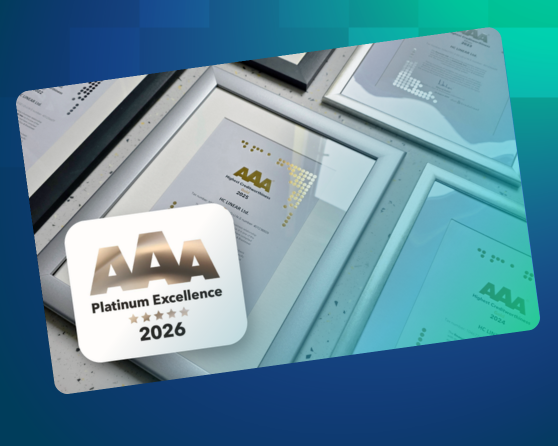
HC Linear Awarded Dun & Bradstreet AAA Platinum Excellence Certification
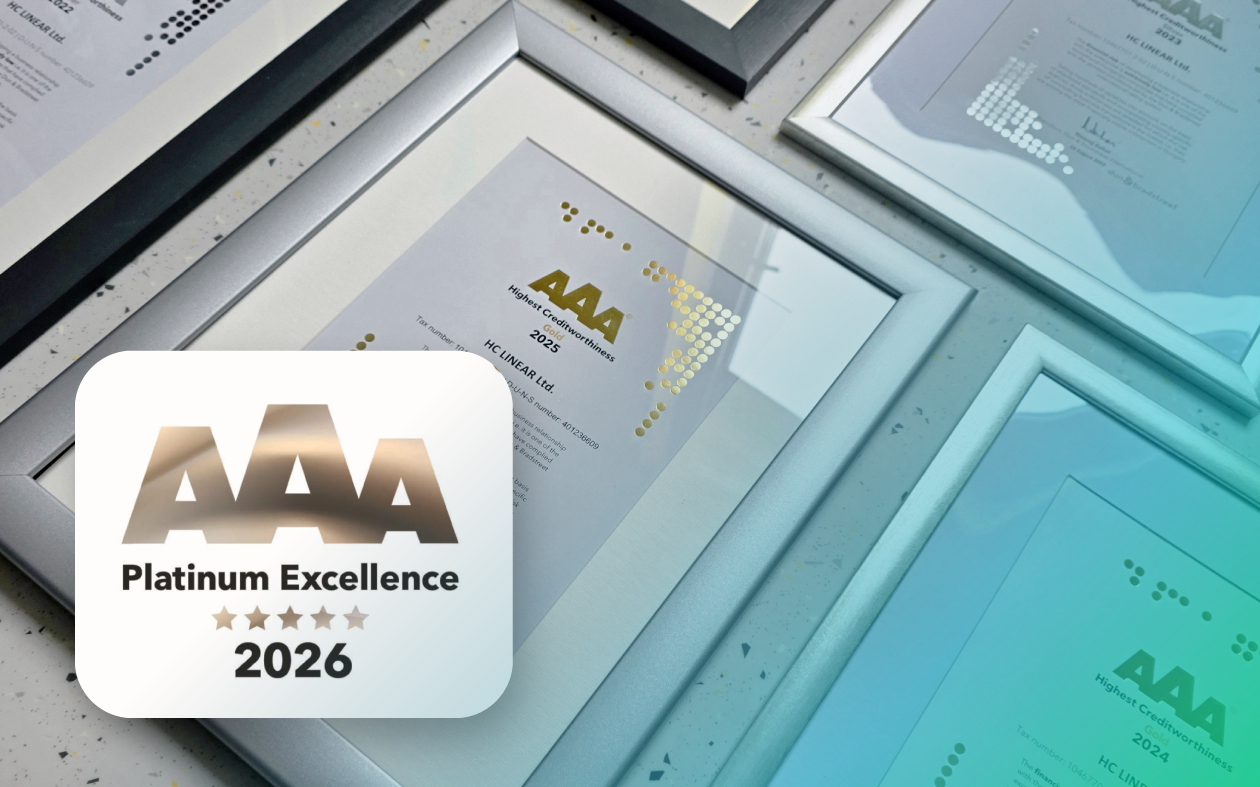
We are pleased to announce that HC Linear has been awarded the Dun & Bradstreet AAA Platinum Excellence rating.
This distinction is awarded only to companies that have maintained Dun & Bradstreet’s highest AAA rating for five consecutive years. Only a small percentage of businesses in Hungary meet this standard, making this recognition especially meaningful to us.
What Is the Platinum Excellence Certification?
Dun & Bradstreet is one of the world’s leading business information providers, with a presence in 170 countries. Its business rating system assesses companies based on their financial stability and reliability. The ratings are based on an analysis of financial statements, payment history, company records, and other business data.
Rather than focusing on a single financial year, the rating assesses how consistently a company has operated over an extended period, reflecting its long-term stability and reliability.
For our business partners, this serves as independent validation from an internationally recognised organisation of HC Linear’s financial stability and reliability. It provides added confidence for organisations seeking a stable, long-term business partner.
What It Means to Us
For more than 35 years, HC Linear has been developing and manufacturing hardware and software solutions, as well as intelligent transport systems and custom electronic solutions for customers in Hungary and international markets. Throughout this time, we have remained committed not only to technological innovation, but also to operating as a stable, transparent, and reliable business partner.
For us, the Dun & Bradstreet AAA Platinum Excellence rating provides independent recognition of our long-standing commitment to operating as a stable, transparent, and reliable business.
We would like to thank our customers, partners, and colleagues for their trust and continued support. This recognition reflects the collective effort behind our work and inspires us to continue serving our partners with the same professionalism, responsibility, and commitment in the years ahead.
InnoTrans 2026
Europe's Leading Trade Fair for Transport Technology
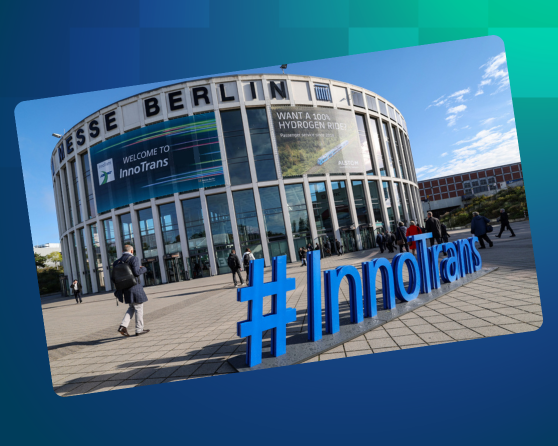
InnoTrans 2026 will take place from 22-25 September at Messe Berlin, bringing together the global rail and public transport industry for four days of innovation, networking and knowledge sharing. As the world’s leading transport technology exhibition, the event welcomes railway operators, public transport authorities, manufacturers, technology providers and mobility experts from around the world.
What to Expect at InnoTrans 2026
The exhibition covers every aspect of modern mobility, from railway technology, railway infrastructure and public transport to passenger information systems, digital infrastructure, automation, Intelligent Transport Systems (ITS) and sustainable mobility. Visitors can also explore the renowned Outdoor Display, featuring rail vehicles on more than 3.5 kilometres of track, the dedicated Bus Display, and the InnoTrans Convention, where industry leaders share insights into the future of transport and mobility.
Among the many international exhibitors, HC Linear will present technologies that support the digital transformation of public transport, including passenger information systems, transport software and data-driven operational solutions.
Meet HC Linear at InnoTrans 2026
If you’re visiting InnoTrans 2026 at Messe Berlin, we’d be delighted to welcome you to Hall 4.1, Stand 270.
Discover our latest developments in passenger information systems and transport software, and meet the team behind our public transport technologies. Whether you’re looking for new ideas, technology partners or practical solutions, we’d be pleased to discuss your projects and share our expertise.
We look forward to welcoming partners, transport operators, public authorities and mobility professionals from around the world to Berlin.
Design to Manufacturing
Why In-House Manufacturing Matters for Technology Companies
In public transport systems and industrial electronics, reliable, long-term performance is not just an advantage, it is an expectation. Solutions must comply with strict industry standards, meet demanding operational requirements, and adapt to continuous technological change.
In this environment, engineering expertise or manufacturing capacity alone is not enough. What truly sets a company apart is its ability to maintain full control over the entire process, from design and development to manufacturing and implementation.
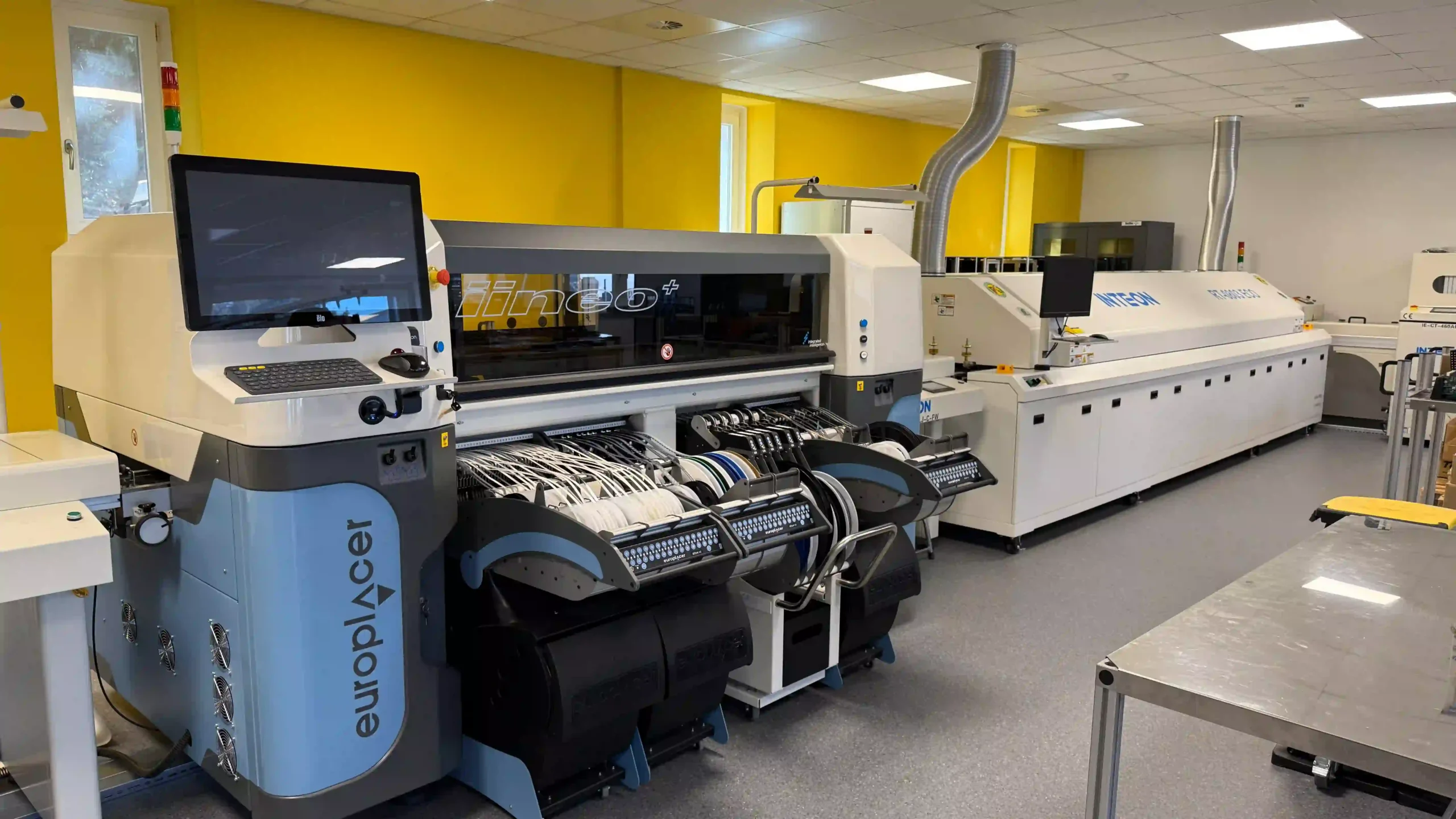
Engineering or Manufacturing?
Many technology companies choose to outsource manufacturing while keeping engineering and product development in-house. Although this may seem efficient in the short term, it often leads to slower response times, more coordination, and increased project risks. As a result, a gap emerges between engineering decisions and manufacturing realities.
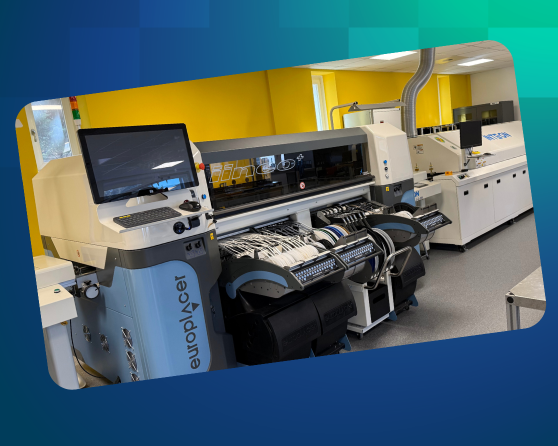
With in-house manufacturing, that gap disappears. Engineers gain immediate insight into how their decisions affect production, while manufacturing feedback is quickly incorporated into the development process. This creates a continuous feedback loop that enables faster iterations, reduces errors, and results in more reliable, higher-quality systems.
Faster Innovation and Shorter Development Cycles
In-house manufacturing also significantly accelerates prototyping and testing. Design changes can be implemented in days rather than weeks, which is especially valuable for complex systems that require continuous refinement throughout the development process.
Manufacturing location also has a direct impact on quality. When production takes place in-house, manufacturing, quality control, and testing operate within a single, integrated process. This not only improves product quality but also provides complete traceability throughout the production lifecycle.
This level of control is particularly important for long-life systems, where traceability, maintenance, repairs, or product modifications may be required many years after deployment.
Long-Term Support
The benefits of in-house manufacturing extend well beyond production. By keeping system knowledge within the company, maintenance, software updates, hardware upgrades, and system expansions can be delivered more quickly and efficiently.
This not only streamlines ongoing support but also reduces operating costs and maximises system availability throughout the product lifecycle.
Ultimately, in-house manufacturing determines how much control a company has over the entire product lifecycle. Companies that keep engineering and manufacturing under one roof can respond faster, deliver more predictably, and build stronger, long-term partnerships with their customers.
For more than 35 years, HC Linear has operated on this principle. With in-house manufacturing, an experienced team of engineers and software developers, and expertise spanning design, development, manufacturing, system integration, commissioning, and operational support, we manage every stage of the project lifecycle under one roof.
Planning a new project? Contact us to discover how our end-to-end expertise can support your project from initial concept to long-term operation.
Sustainable Mobility
The Role of Public Transport in Building Sustainable Cities
Developing public transport is essential to building sustainable cities. The transport sector is responsible for nearly a quarter of global carbon emissions, making its modernisation a key part of achieving climate goals. Effective solutions are particularly important in urban areas, where a significant share of emissions comes from short journeys made by private cars. As a result, attractive and competitive public transport systems not only improve mobility but also make a valuable contribution to reducing environmental impact.
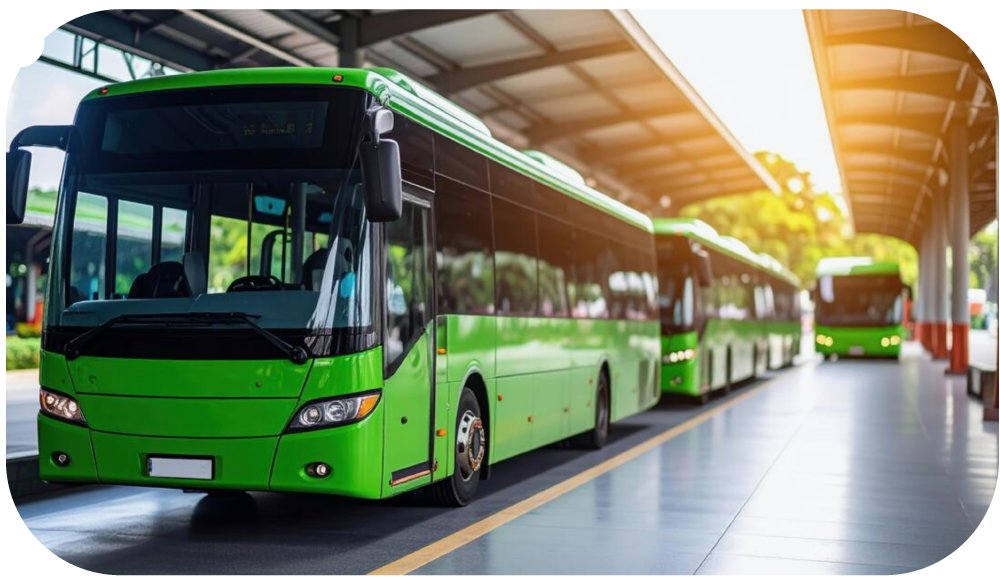
One of the most effective ways to cut emissions is to reduce reliance on private cars. International studies show that carbon emissions per passenger are significantly higher for private vehicles than for public transport. A fully occupied bus, for example, can replace dozens of cars on the road, helping to ease congestion and improve air quality.
Sustainability Requires More Than Additional Services
Research shows that people do not choose how they travel based solely on environmental considerations. Public transport becomes a genuine alternative to driving when it offers a reliable, predictable and comfortable travel experience.
Real-time passenger information plays a crucial role in making this possible. Accurate and up-to-date information reduces uncertainty, improves the passenger experience and helps build trust in the service. Replacing outdated, paper-based information systems with modern digital solutions can significantly increase passenger satisfaction and make public transport more attractive.
Improving public transport therefore involves more than introducing new vehicles or increasing service frequency. It also means enhancing the overall passenger experience. Digital passenger information solutions give travellers quick and easy access to the information they need, making journeys smoother and more convenient.
As a Hungarian-owned research, development and manufacturing company, HC Linear provides comprehensive passenger information systems for vehicles, stations and stops. Our latest innovation, SmartPage, reflects this approach. Its e-paper displays provide real-time passenger information while consuming very little energy. Combined with solar power and a long service life, the system supports sustainability goals while delivering practical benefits for both passengers and transport operators. The result is a solution that is not only modern and informative, but also environmentally friendly and cost-effective.
The Future of Mobility Is Multimodal
One of the biggest challenges facing public transport is the so-called first-mile/last-mile issue – ensuring convenient connections at the beginning and end of a journey. When a stop or station is difficult to access, many people choose to make the entire trip by car instead.
Multimodal mobility offers a solution by integrating public transport with micromobility options such as bicycles and e-scooters. The goal is not for one mode of transport to replace another, but for passengers to be able to combine different mobility options into a single, seamless journey.
As part of the Horizon Europe-funded metaCCAZE project, HC Linear is working alongside the Budapest University of Technology and Economics and MVK Zrt. to develop innovative solutions that bring public transport and micromobility services closer together. The aim is to create a mobility ecosystem that makes urban travel simpler, more convenient and more sustainable.
The transport systems of the future will not be built around a single mode of travel. Instead, future cities will depend on intelligent, connected and sustainable mobility networks that make getting around easier, more efficient and more environmentally responsible.
TRA BUDAPEST 2026
HC Linear at TRA 2026
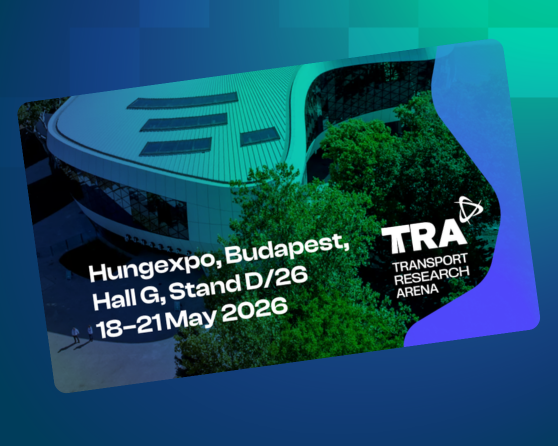
The Transport Research Arena (TRA) is one of Europe’s leading transport technology exhibitions and conferences, taking place in Budapest from May 18–21, 2026.

With more than 35 years of experience in transport electronics manufacturing and R&D, HC Linear delivers reliable and energy-efficient technologies designed for smart public transport systems and next-generation mobility solutions.
Visit us at HUNGEXPO Budapest, Hall G, Stand D/26.
As public transportation continues to evolve through digitalization and intelligent transportation systems (ITS), reliable passenger communication and durable transport electronics have become more important than ever.
TRA 2026 provides the perfect opportunity to connect with transport operators, vehicle manufacturers, system integrators, and mobility technology partners from across Europe and beyond.
Looking for a reliable technology partner?
Meet HC Linear at TRA 2026 in Budapest and discover our latest smart public transport solutions.
Discover the New SmartPage Website
SmartPage E-Paper System Now Featured on Its Own Website
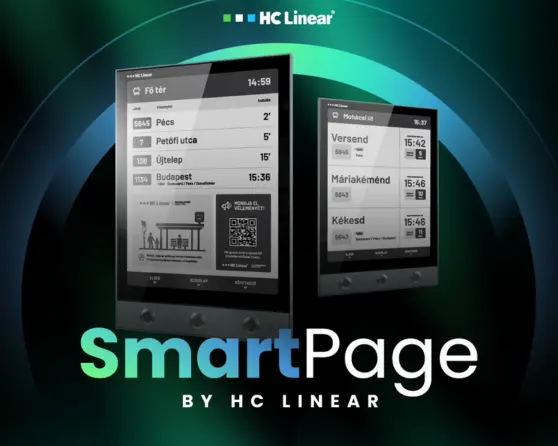
Energy-efficient and easy-to-operate solutions are playing an increasingly important role in digital passenger information systems. Our SmartPage system addresses this market demand with a modern solution, now presented in detail on its own dedicated website.
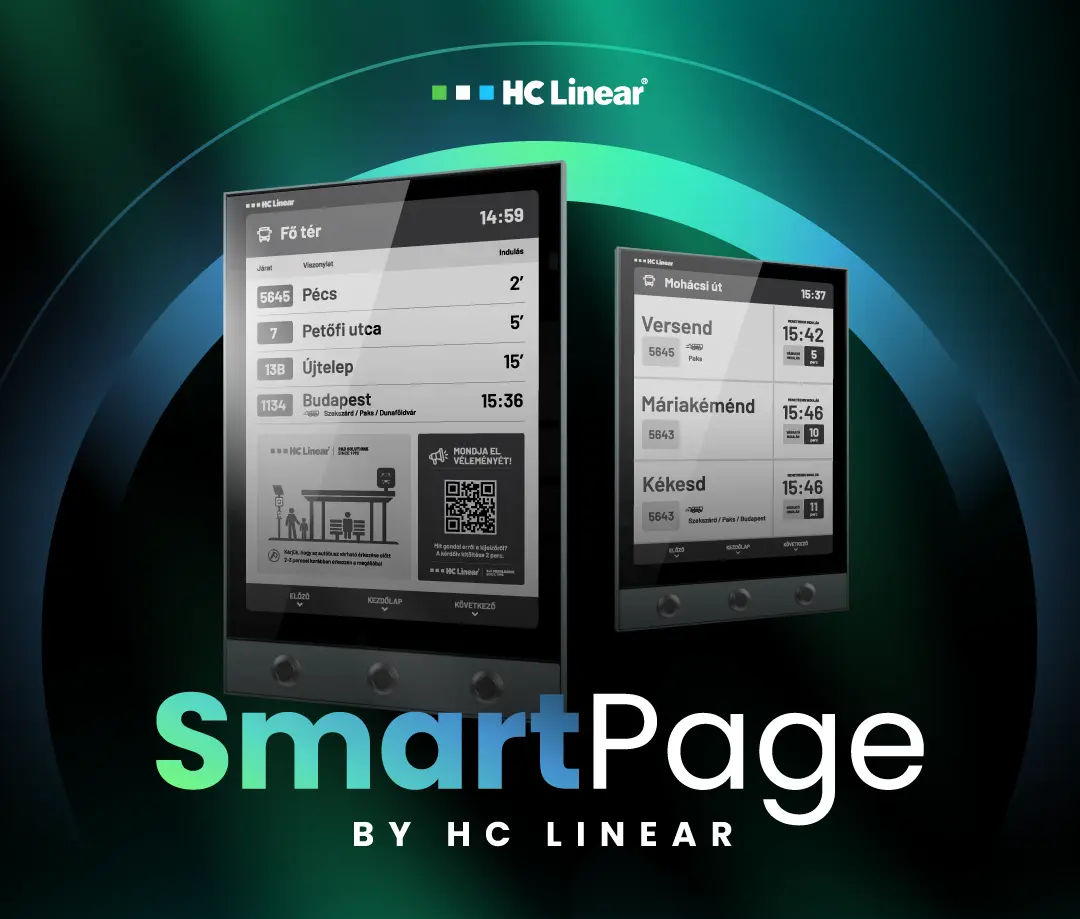
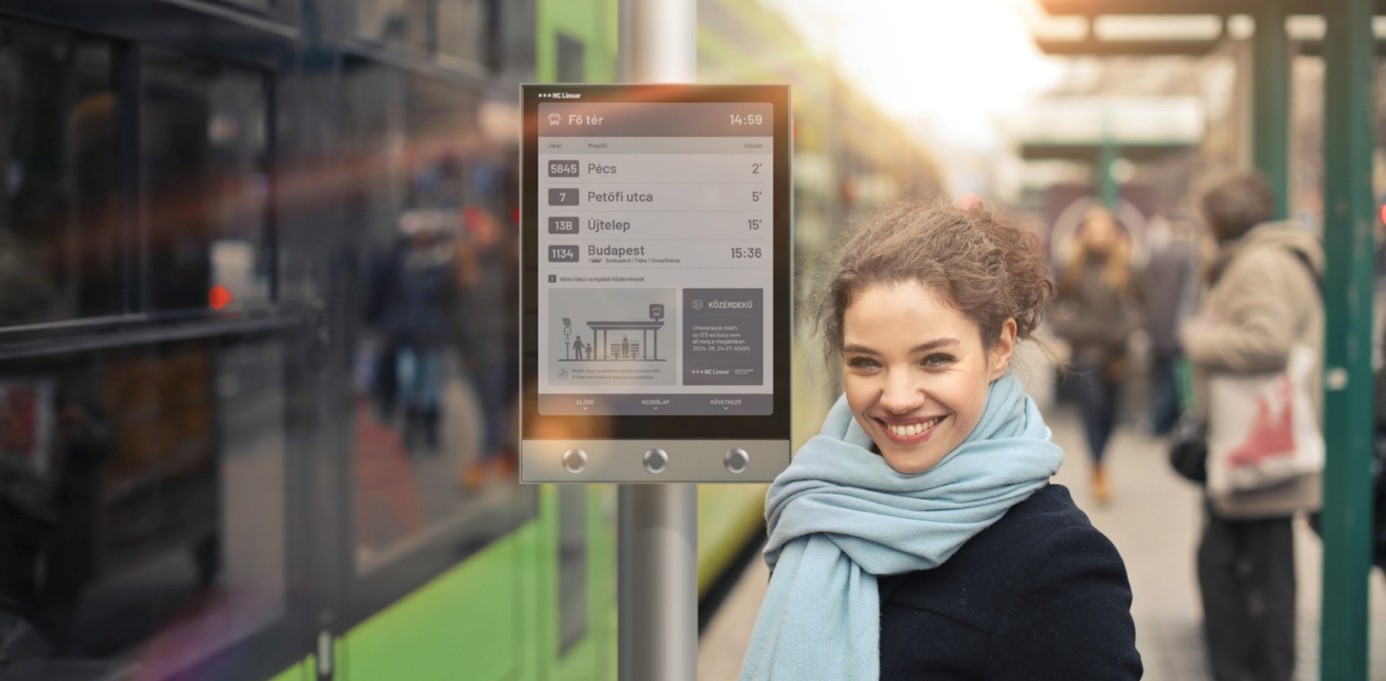
SmartPage is an e-paper-based passenger information display system designed to provide real-time timetable and arrival information at stops, stations and public transport hubs. Compared to conventional digital displays, e-paper technology requires significantly less energy. The displays consume power only when content is updated, making long-term operation possible even with battery or solar power.
The new website provides detailed information about the system’s key features and benefits:
- real-time passenger information,
- cost-efficient operation,
- excellent readability in bright sunlight and at night,
- easy installation,
- remote management and diagnostics,
- as well as multi-page content management capabilities.
Gain a comprehensive overview of how the SmartPage system works and discover how it can contribute to a more modern, sustainable and passenger-friendly public transport infrastructure: https://smartpage-epaper.com
BUS2BUS 2026
BUS2BUS 2026 – Awards and Industry Trends
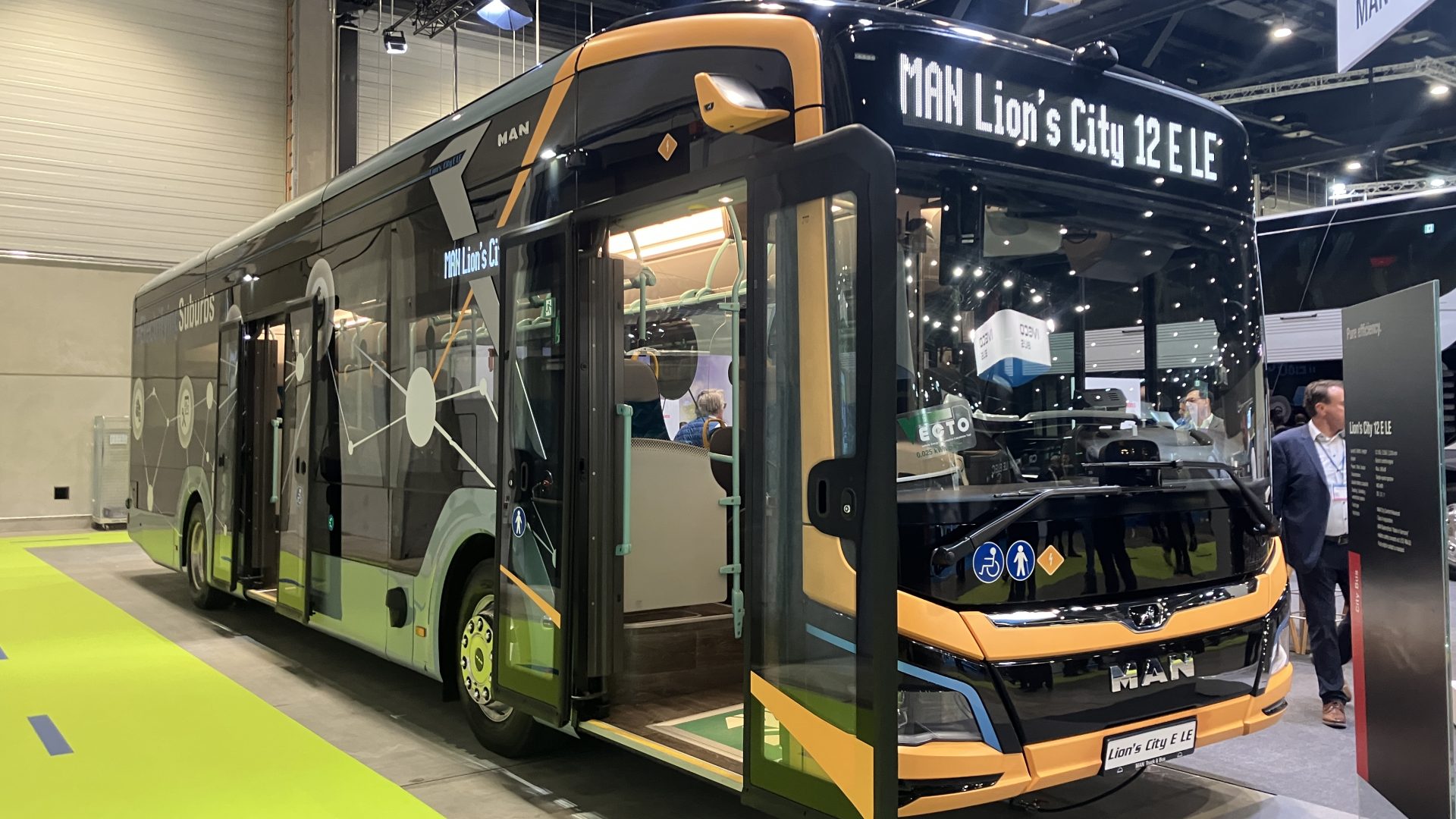
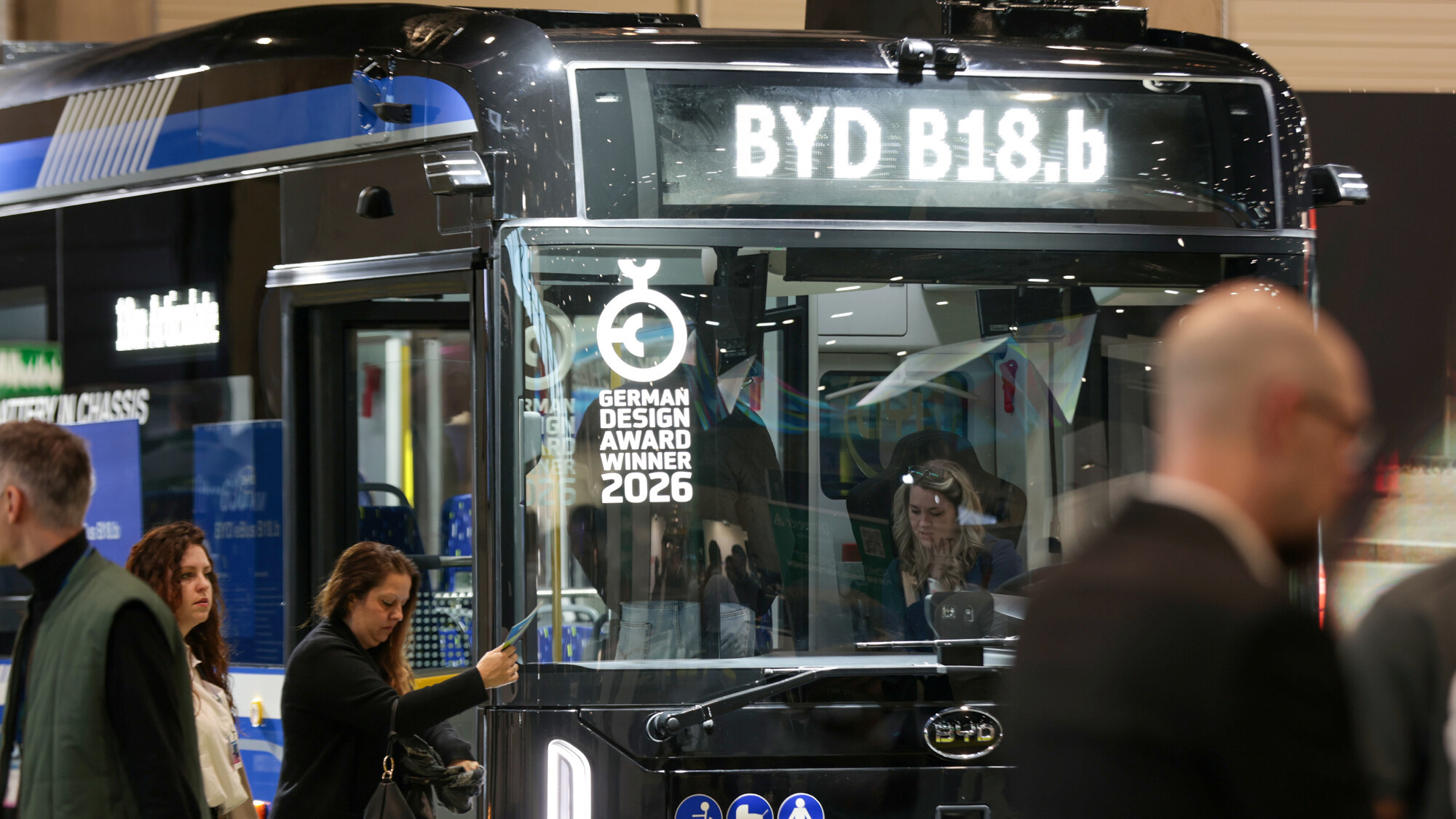
BUS2BUS 2026 took place in Berlin on April 15–16, bringing together 156 exhibitors and several thousand industry professionals. The event focused on the key trends shaping sustainable and digital mobility, including electric and hydrogen-powered buses, intelligent charging infrastructure, and digital fleet management systems.
Innovations Shaping the Industry
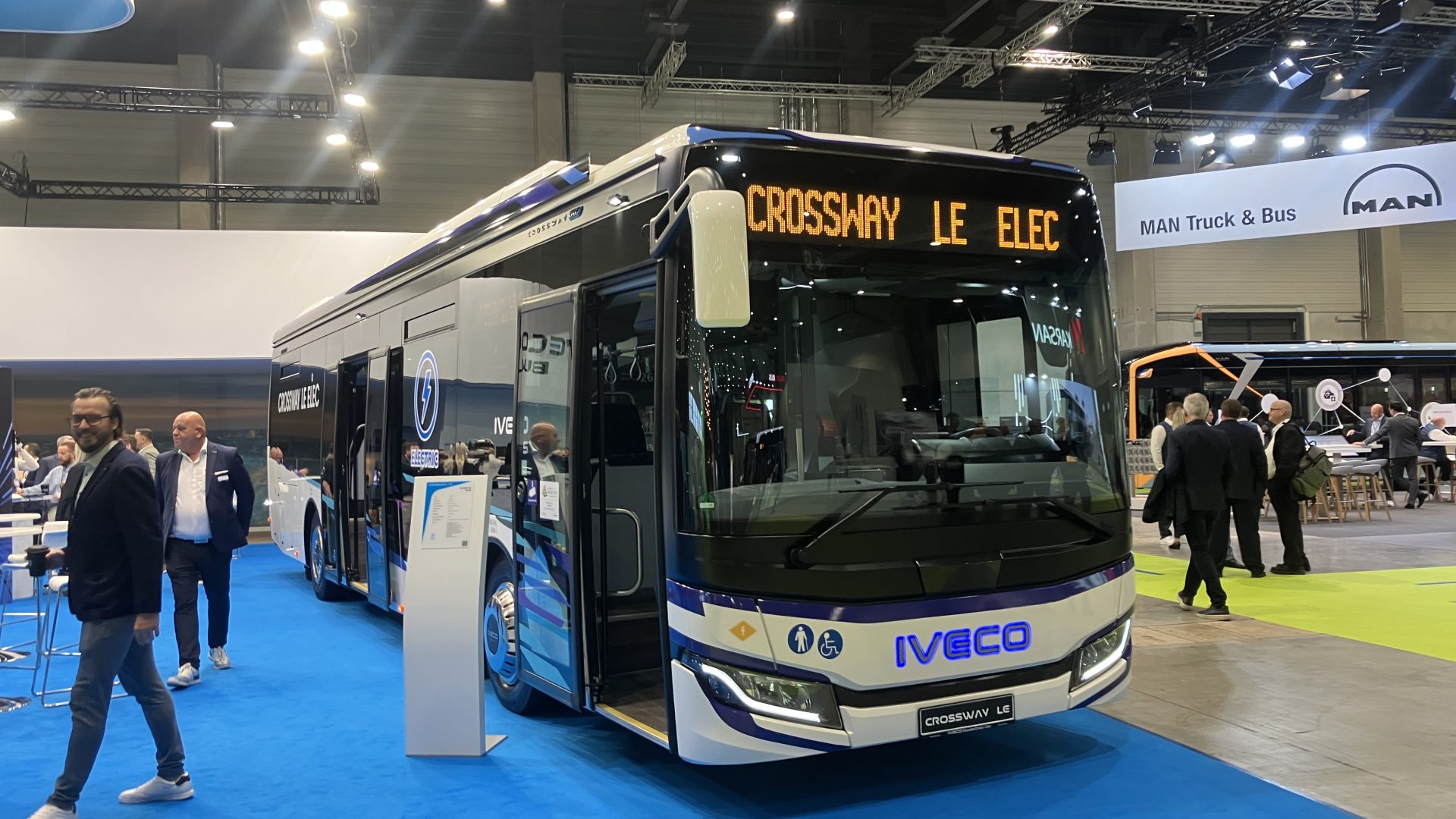
At one of the key highlights of BUS2BUS, the busplaner Sustainability Awards, innovative and sustainable solutions were recognised across 12 categories. The awarded entries included developments in electric buses, intelligent vehicle components and digital systems. Among the winners were leading players in the bus industry, such as the IVECO CROSSWAY Low Entry ELEC and MAN’s Lion’s Coach E solution.
Additional innovations were recognised at the Future Night event. The Fresh Travel Award was presented to Neomind for its Universal Bus concept, while the Startup Award went to Winduction for its wireless charging technology.
Electrification
The showcased trends are also supported by industry data. The European bus market is on a growth trajectory, particularly in the field of electric vehicles. The rapid expansion of battery-electric buses clearly signals the direction forward for operators and manufacturers alike.
Conclusion
The future of bus transport lies in integrated, intelligent systems. Solutions that enhance efficiency while also improving transparency and the passenger experience are gaining increasing importance. HC Linear aims to deliver real added value in this transition by supporting its partners in implementing future-proof mobility solutions.
SmartPage at the KTE Conference
SmartPage at the KTE Transport Development and Investment Conference
The 26th Transport Development and Investment Conference is one of Hungary’s leading multi-day professional forums, focusing on current challenges in transport development, investment priorities, and technological innovation.
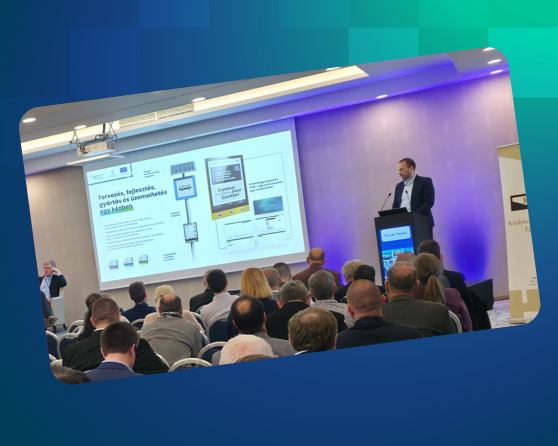
Held between March 24–26, 2026 in Bükfürdő, the event also featured a presentation by our Lead Project Engineer. Under the title “Real-time passenger information with the SmartPage e-paper display system”, the session introduced both the concept behind the solution and key insights from its practical implementation.
Following the event, a detailed professional article will also be published in the online journal of the Hungarian Scientific Association for Transport. Below is a summary of how the SmartPage system works and the benefits it delivers.
Real-time passenger information with the SmartPage e-paper display system
In public transport, access to accurate and reliable information is one of the most important factors shaping the passenger experience. Timely updates on schedules, delays, and unexpected changes have a direct impact on how services are perceived.
Developed by HC Linear, the SmartPage e-paper-based passenger information system offers a sustainable and cost-efficient solution to this challenge.
The system is designed to provide real-time, dynamically updated information for passengers waiting at stops, while minimising energy consumption and infrastructure requirements. Built on e-paper technology, SmartPage displays are particularly well suited to locations where installing LED or TFT displays would be too costly or technically complex.
One of the key advantages of e-paper technology is that it only consumes power when content is updated, making it extremely energy efficient. As a result, SmartPage devices can operate without a fixed power connection, using batteries or even solar energy.
Thanks to their paper-like appearance, the displays remain highly readable even in strong sunlight, providing consistently high contrast. Designed for outdoor use, the devices withstand harsh weather conditions and can be easily installed on poles or walls.
Through a remote management platform, all displays can be monitored and controlled in real time. Operators can manage content, check device status, and access diagnostic data from a single interface. In addition to timetable information, the system supports a wide range of content, including local news, community updates, and municipal messages, which can be scheduled across multiple pages.
User interaction is reflected in navigation activity, with deployed devices recording an average of 3,000 button presses per month per unit.
QR codes can also be displayed, allowing passengers to instantly access additional digital content or participate in surveys.
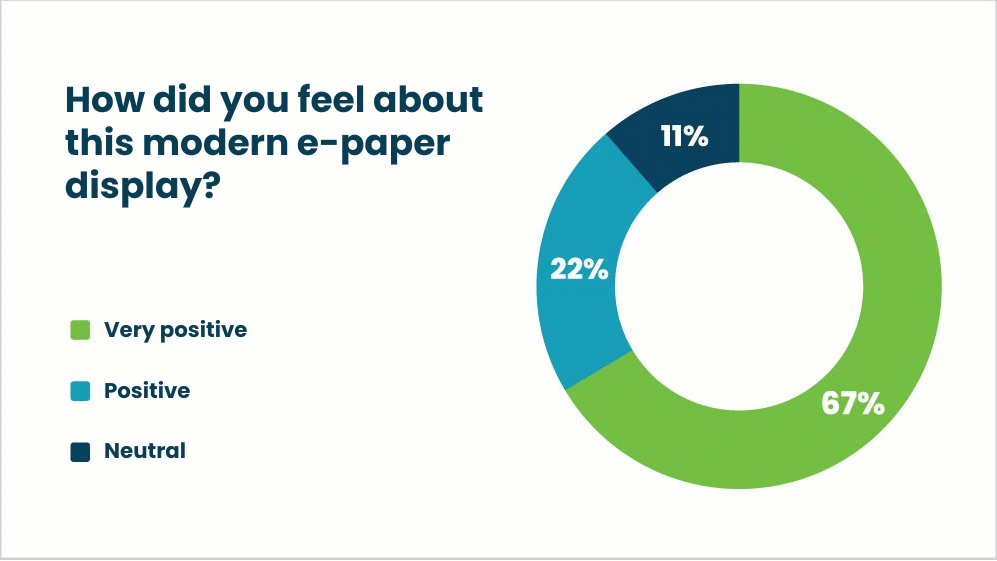
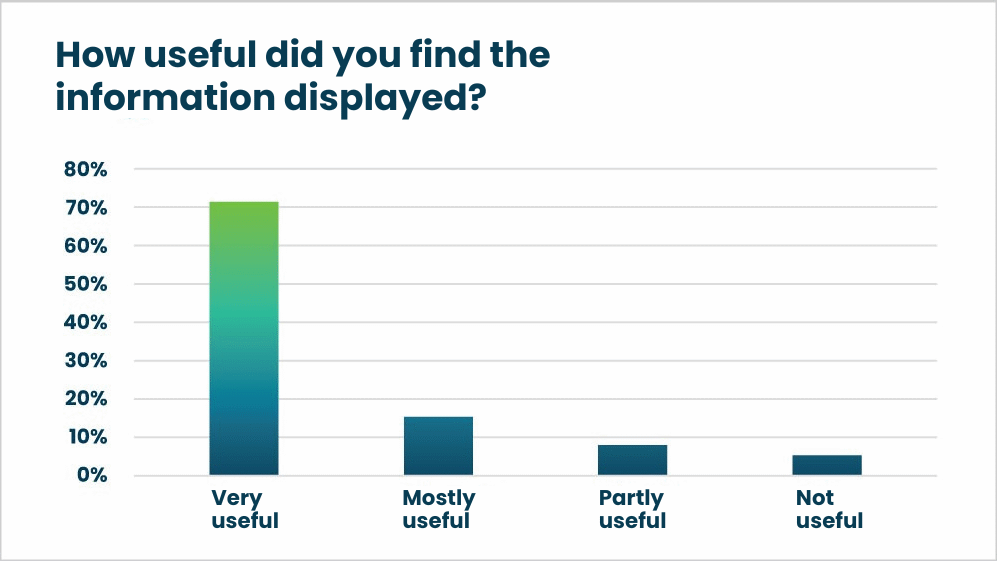
Feedback collected by HC Linear shows that the vast majority of users describe their first interaction with the display as positive. Many highlight the convenience of instantly seeing when the next vehicle will arrive, without needing to check mobile apps or printed timetables.
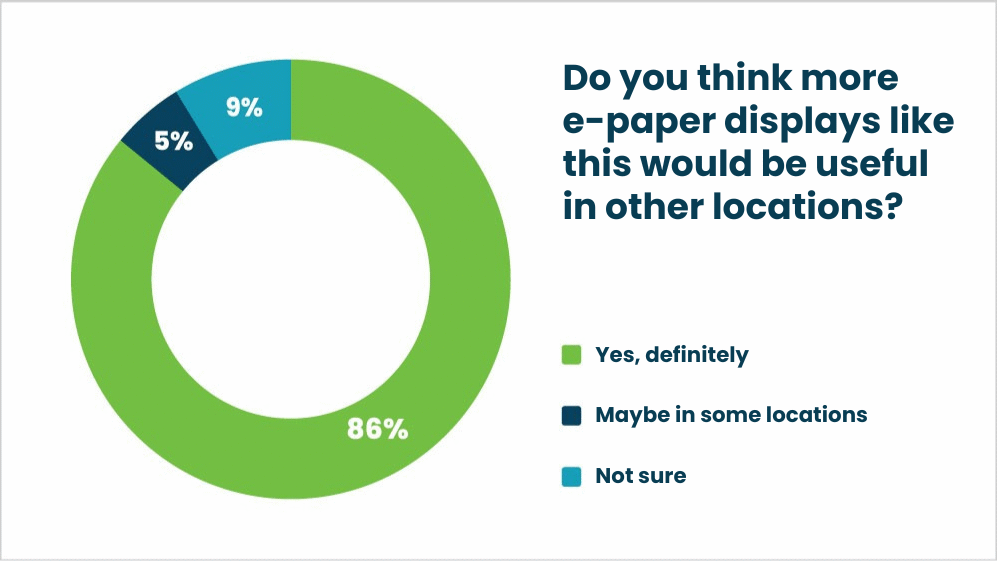
A significant share of respondents would welcome the wider deployment of such displays, particularly at busy hubs and at stops where no digital passenger information is currently available.
Energy-efficient digital infrastructure is playing an increasingly important role in the development of public transport, supporting both passenger convenience and cost-efficient operation. SmartPage e-paper displays offer a simple digital alternative to paper-based timetables and a foundation for a modern, future-ready passenger information system.
HC Linear, the Hungarian company behind the system, has more than 35 years of experience in the research, development, and manufacturing of electronic and software systems. Its R&D centre in Pécs is home to an in-house engineering team working on hardware, software, and system integration solutions.
HC Linear’s transport IT systems are deployed across multiple countries, cities, and regions, helping to simplify mobility for millions of passengers every day.