


Sustainable Mobility
The Role of Public Transport in Building Sustainable Cities
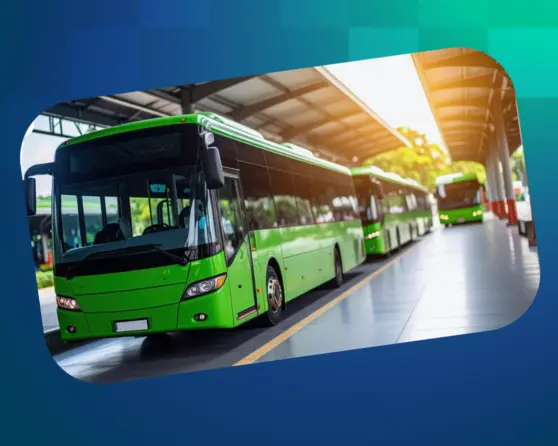
Developing public transport is essential to building sustainable cities. The transport sector is responsible for nearly a quarter of global carbon emissions, making its modernisation a key part of achieving climate goals. Effective solutions are particularly important in urban areas, where a significant share of emissions comes from short journeys made by private cars. As a result, attractive and competitive public transport systems not only improve mobility but also make a valuable contribution to reducing environmental impact.
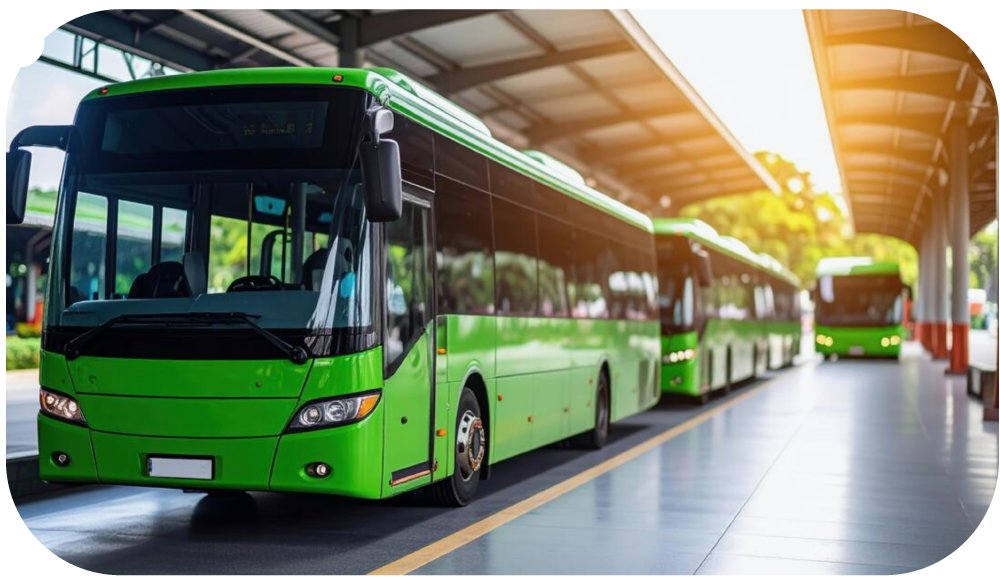
One of the most effective ways to cut emissions is to reduce reliance on private cars. International studies show that carbon emissions per passenger are significantly higher for private vehicles than for public transport. A fully occupied bus, for example, can replace dozens of cars on the road, helping to ease congestion and improve air quality.
Sustainability Requires More Than Additional Services
Research shows that people do not choose how they travel based solely on environmental considerations. Public transport becomes a genuine alternative to driving when it offers a reliable, predictable and comfortable travel experience.
Real-time passenger information plays a crucial role in making this possible. Accurate and up-to-date information reduces uncertainty, improves the passenger experience and helps build trust in the service. Replacing outdated, paper-based information systems with modern digital solutions can significantly increase passenger satisfaction and make public transport more attractive.
Improving public transport therefore involves more than introducing new vehicles or increasing service frequency. It also means enhancing the overall passenger experience. Digital passenger information solutions give travellers quick and easy access to the information they need, making journeys smoother and more convenient.
As a Hungarian-owned research, development and manufacturing company, HC Linear provides comprehensive passenger information systems for vehicles, stations and stops. Our latest innovation, SmartPage, reflects this approach. Its e-paper displays provide real-time passenger information while consuming very little energy. Combined with solar power and a long service life, the system supports sustainability goals while delivering practical benefits for both passengers and transport operators. The result is a solution that is not only modern and informative, but also environmentally friendly and cost-effective.
The Future of Mobility Is Multimodal
One of the biggest challenges facing public transport is the so-called first-mile/last-mile issue – ensuring convenient connections at the beginning and end of a journey. When a stop or station is difficult to access, many people choose to make the entire trip by car instead.
Multimodal mobility offers a solution by integrating public transport with micromobility options such as bicycles and e-scooters. The goal is not for one mode of transport to replace another, but for passengers to be able to combine different mobility options into a single, seamless journey.
As part of the Horizon Europe-funded metaCCAZE project, HC Linear is working alongside the Budapest University of Technology and Economics and MVK Zrt. to develop innovative solutions that bring public transport and micromobility services closer together. The aim is to create a mobility ecosystem that makes urban travel simpler, more convenient and more sustainable.
The transport systems of the future will not be built around a single mode of travel. Instead, future cities will depend on intelligent, connected and sustainable mobility networks that make getting around easier, more efficient and more environmentally responsible.
Discover the New SmartPage Website
SmartPage E-Paper System Now Featured on Its Own Website
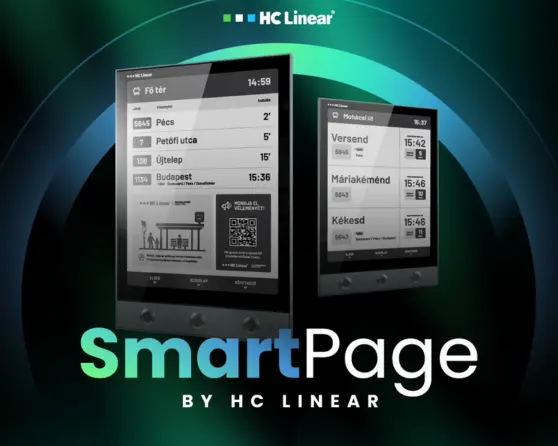
Energy-efficient and easy-to-operate solutions are playing an increasingly important role in digital passenger information systems. Our SmartPage system addresses this market demand with a modern solution, now presented in detail on its own dedicated website.
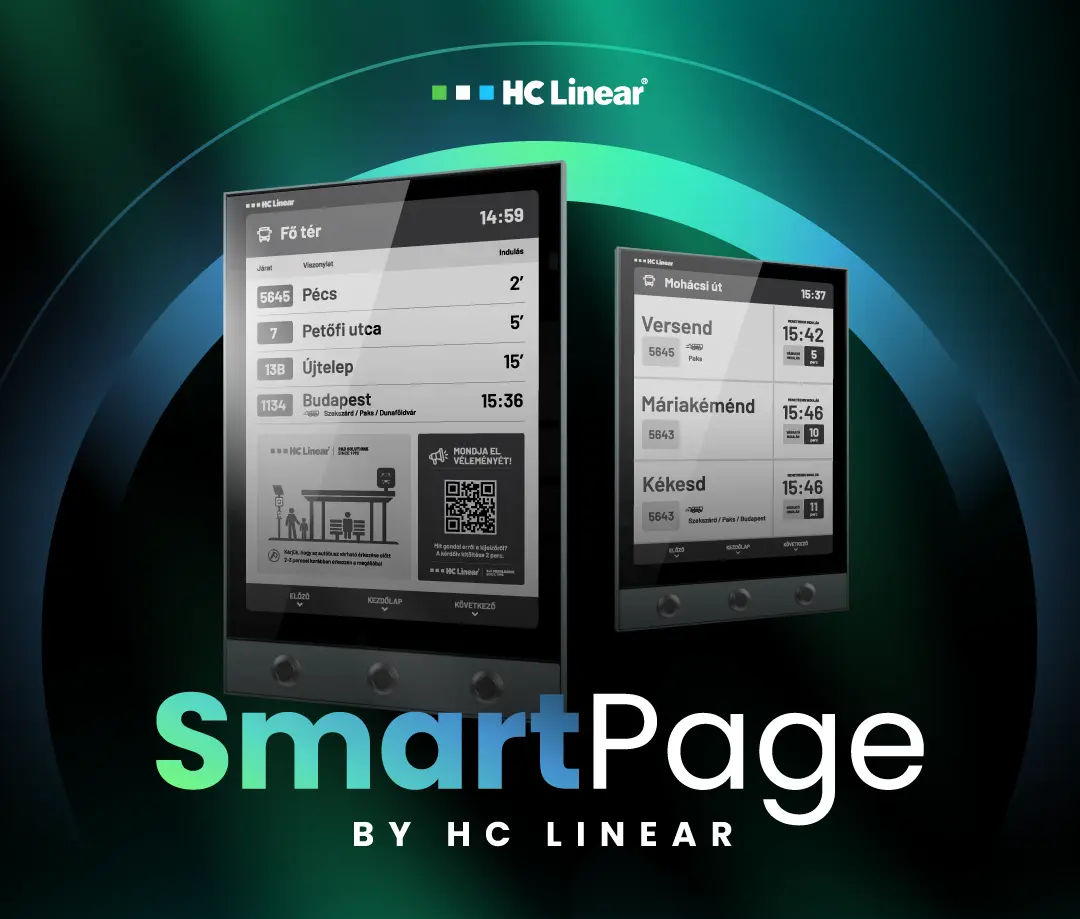
SmartPage is an e-paper-based passenger information display system designed to provide real-time timetable and arrival information at stops, stations and public transport hubs. Compared to conventional digital displays, e-paper technology requires significantly less energy. The displays consume power only when content is updated, making long-term operation possible even with battery or solar power.
The new website provides detailed information about the system’s key features and benefits:
- real-time passenger information,
- cost-efficient operation,
- excellent readability in bright sunlight and at night,
- easy installation,
- remote management and diagnostics,
- as well as multi-page content management capabilities.
Gain a comprehensive overview of how the SmartPage system works and discover how it can contribute to a more modern, sustainable and passenger-friendly public transport infrastructure: https://smartpage-epaper.com
SmartPage at the KTE Conference
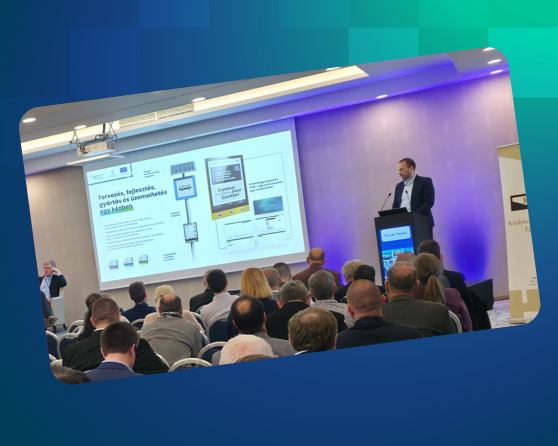
SmartPage at the KTE Transport Development and Investment Conference
The 26th Transport Development and Investment Conference is one of Hungary’s leading multi-day professional forums, focusing on current challenges in transport development, investment priorities, and technological innovation.
Held between March 24–26, 2026 in Bükfürdő, the event also featured a presentation by our Lead Project Engineer. Under the title “Real-time passenger information with the SmartPage e-paper display system”, the session introduced both the concept behind the solution and key insights from its practical implementation.
Following the event, a detailed professional article will also be published in the online journal of the Hungarian Scientific Association for Transport. Below is a summary of how the SmartPage system works and the benefits it delivers.
Real-time passenger information with the SmartPage e-paper display system
In public transport, access to accurate and reliable information is one of the most important factors shaping the passenger experience. Timely updates on schedules, delays, and unexpected changes have a direct impact on how services are perceived.
Developed by HC Linear, the SmartPage e-paper-based passenger information system offers a sustainable and cost-efficient solution to this challenge.
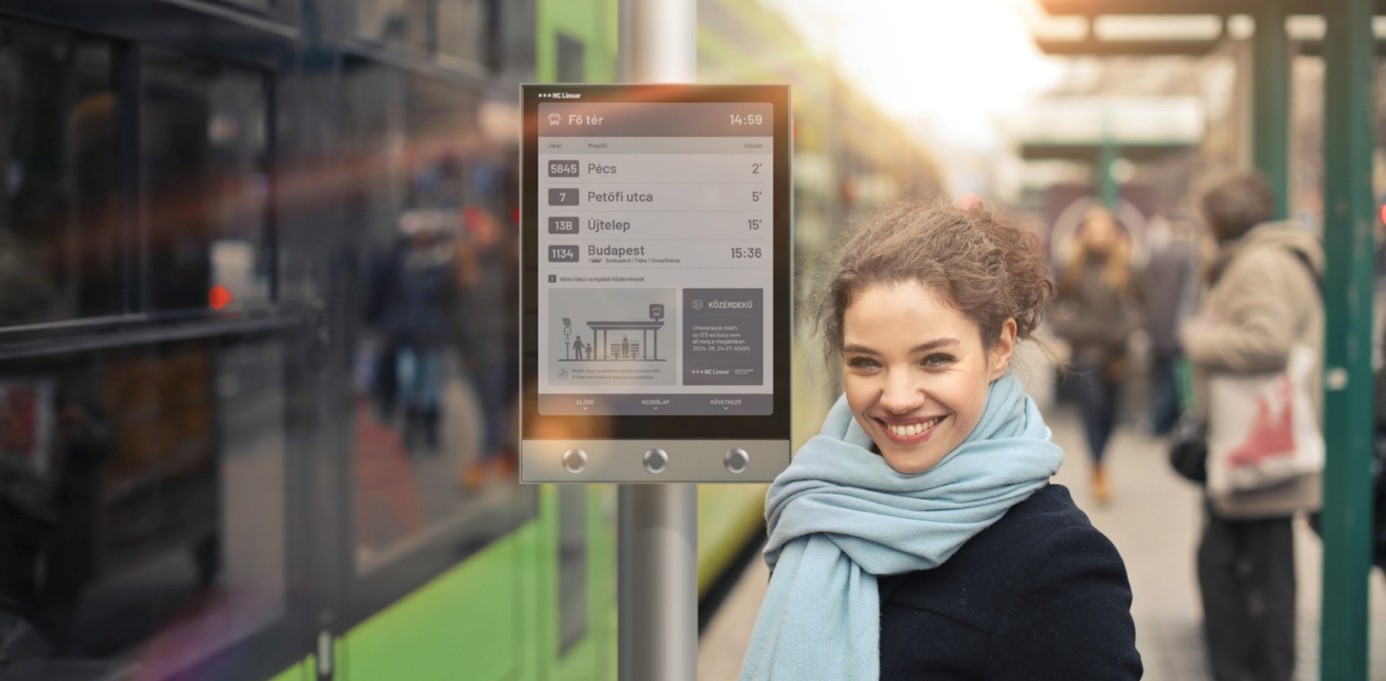
The system is designed to provide real-time, dynamically updated information for passengers waiting at stops, while minimising energy consumption and infrastructure requirements. Built on e-paper technology, SmartPage displays are particularly well suited to locations where installing LED or TFT displays would be too costly or technically complex.
One of the key advantages of e-paper technology is that it only consumes power when content is updated, making it extremely energy efficient. As a result, SmartPage devices can operate without a fixed power connection, using batteries or even solar energy.
Thanks to their paper-like appearance, the displays remain highly readable even in strong sunlight, providing consistently high contrast. Designed for outdoor use, the devices withstand harsh weather conditions and can be easily installed on poles or walls.
Through a remote management platform, all displays can be monitored and controlled in real time. Operators can manage content, check device status, and access diagnostic data from a single interface. In addition to timetable information, the system supports a wide range of content, including local news, community updates, and municipal messages, which can be scheduled across multiple pages.
User interaction is reflected in navigation activity, with deployed devices recording an average of 3,000 button presses per month per unit.
QR codes can also be displayed, allowing passengers to instantly access additional digital content or participate in surveys.
Feedback collected by HC Linear shows that the vast majority of users describe their first interaction with the display as positive. Many highlight the convenience of instantly seeing when the next vehicle will arrive, without needing to check mobile apps or printed timetables.
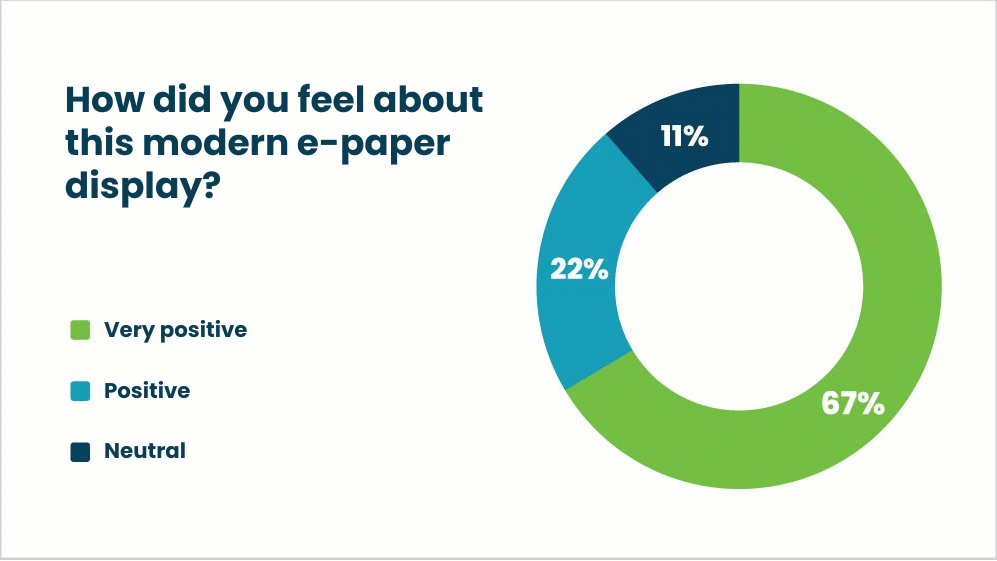
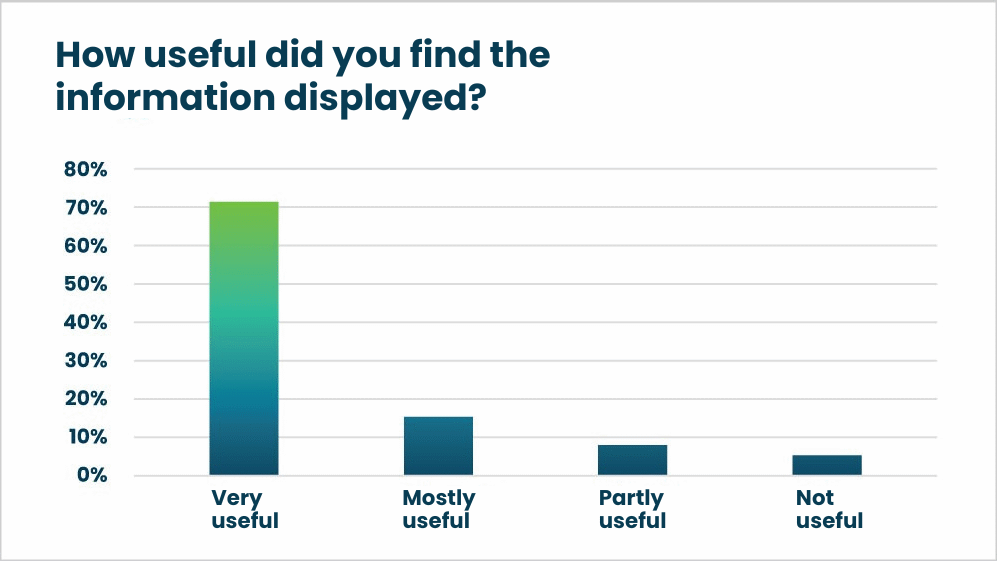
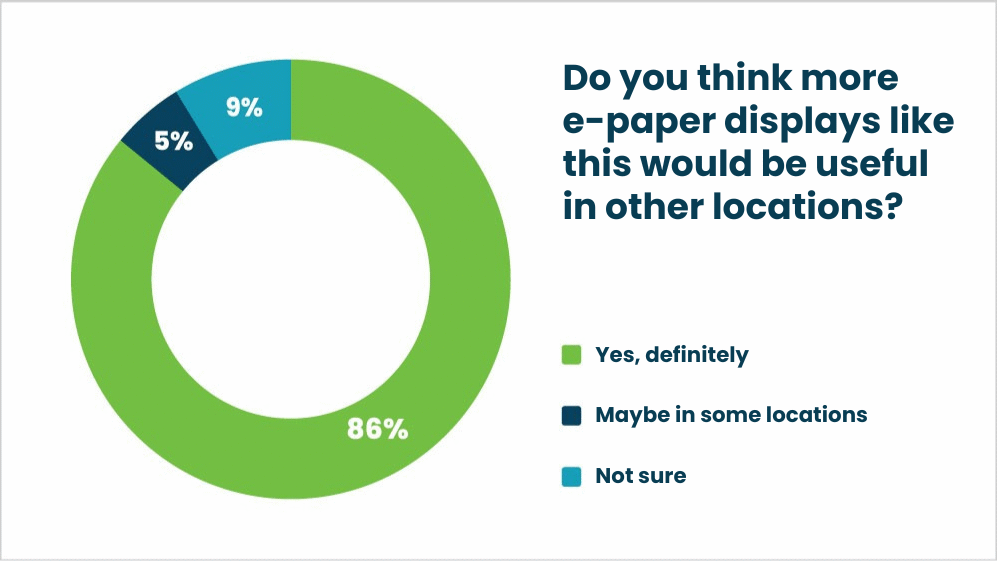
A significant share of respondents would welcome the wider deployment of such displays, particularly at busy hubs and at stops where no digital passenger information is currently available.
Energy-efficient digital infrastructure is playing an increasingly important role in the development of public transport, supporting both passenger convenience and cost-efficient operation. SmartPage e-paper displays offer a simple digital alternative to paper-based timetables and a foundation for a modern, future-ready passenger information system.
HC Linear, the Hungarian company behind the system, has more than 35 years of experience in the research, development, and manufacturing of electronic and software systems. Its R&D centre in Pécs is home to an in-house engineering team working on hardware, software, and system integration solutions.
HC Linear’s transport IT systems are deployed across multiple countries, cities, and regions, helping to simplify mobility for millions of passengers every day.
CanSat
High School Students in Pécs Developing Flight-Ready Satellite Systems
What exactly is CanSat, and how can a satellite simulation built by high school students reach an altitude of 1,000 meters?
The CanSat competition invites student teams to design and build a miniaturized satellite the size of a soft drink can. The payload is launched by rocket, deployed at approximately one kilometer, and descends by parachute while transmitting environmental data collected through onboard sensors. More than a technical challenge, the program introduces students to mission planning, systems engineering methodology, verification procedures, and professional-level technical documentation.
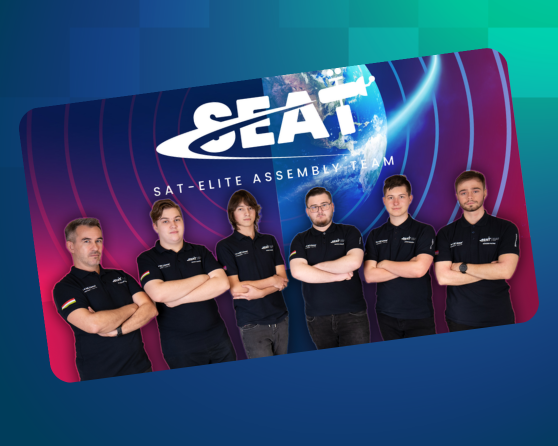
The Sat-Elite Assembly Team from Pécs has been competing for the third consecutive year in the Hungarian round organized by the Hungarian Astronautical Society as part of the European Space Agency educational initiative. Their work shows how secondary school students can approach engineering problems with the rigor and mindset typically associated with the aerospace sector.
Six Months to Deliver a Flight-Ready System
The Hungarian CanSat program has grown significantly in recent years, expanding from just a handful of teams to more than one hundred participants. Competing in such a field represents a considerable technical achievement.
Teams have six months to define mission objectives, design electronic and mechanical systems, develop embedded software, conduct validation tests, and prepare professional technical documentation. The top ten teams’ CanSats are launched to an altitude of 1,000 meters before descending safely by parachute. Following recovery, students present their flight data and system performance to a professional jury.
Recovery as a Mission-Critical Challenge
Although the launch captures the most attention, recovery often proves to be just as demanding. A descending payload released at one kilometer can drift several kilometers from the launch site depending on wind conditions. In previous competitions, some teams have spent hours locating their CanSat, and in rare cases the payload was never recovered.
To mitigate this risk, the Sat-Elite Assembly Team developed a proprietary radio and GPS-based tracking solution designed to provide accurate post-landing localization. Their goal extends beyond securing their own mission success. They are working toward a robust, reusable system that could support other teams in future competitions as well.
Integrated Hardware and Embedded Systems
Within the strict size and mass constraints defined by the competition rules, the team continuously enhances the functionality of its satellite. The current configuration incorporates thermal imaging capabilities, calibrated visible-spectrum cameras, temperature and humidity sensors, GPS positioning, and additional environmental measurement units. Structural improvements have been implemented to better withstand launch acceleration loads and landing impact forces.
Throughout the development process, team members have gained practical experience in printed circuit board design, embedded firmware development, mechanical integration, system validation, and formal engineering documentation. A comprehensive Critical Design Review video documents their progression from initial concept through subsystem integration to a flight-ready prototype, offering insight into both hardware architecture and software implementation.
From Competition to Orbit
Their achievements in previous competitions created new opportunities. In cooperation with the Budapest University of Technology and Economics, the team contributed to an experimental payload integrated into the HUNITY satellite. The satellite reached a 520-kilometer orbit aboard the SpaceX Transporter-15 mission.
The onboard experiment measures panel temperature, visible and infrared radiation levels, and attitude-related orientation parameters. The collected telemetry is transmitted to ground stations for processing and analysis, transforming classroom engineering into real orbital data acquisition.
More Than a Competition
Within the team, clearly defined roles reflect real engineering environments. Some members focus on embedded software, others specialize in electronics design, documentation, systems integration, or external communications. They actively participate in professional events and maintain a visible presence in the community, motivated by the belief that access to inspiring technological challenges can shape future career paths.
The final results will be decided in April among the top ten teams. Regardless of the outcome, supporting the Sat-Elite Assembly Team means supporting the next generation of engineers. Investing in young talent today strengthens the foundations of tomorrow’s innovation ecosystem.
Update: The rocket launch originally scheduled for April 2026 was postponed until August. At the CanSat Hungary 2026 National Finals, the Sat Elite Assembly Team won first place. As the overall winner, the team earned the opportunity to launch its CanSat satellite simulator aboard the BME Suborbitals Eclipse research rocket at the European Rocketry Challenge in Portugal, where it will reach an altitude of nearly 3,000 metres. Congratulations to the team on this outstanding achievement!
Multichannel Passenger Information
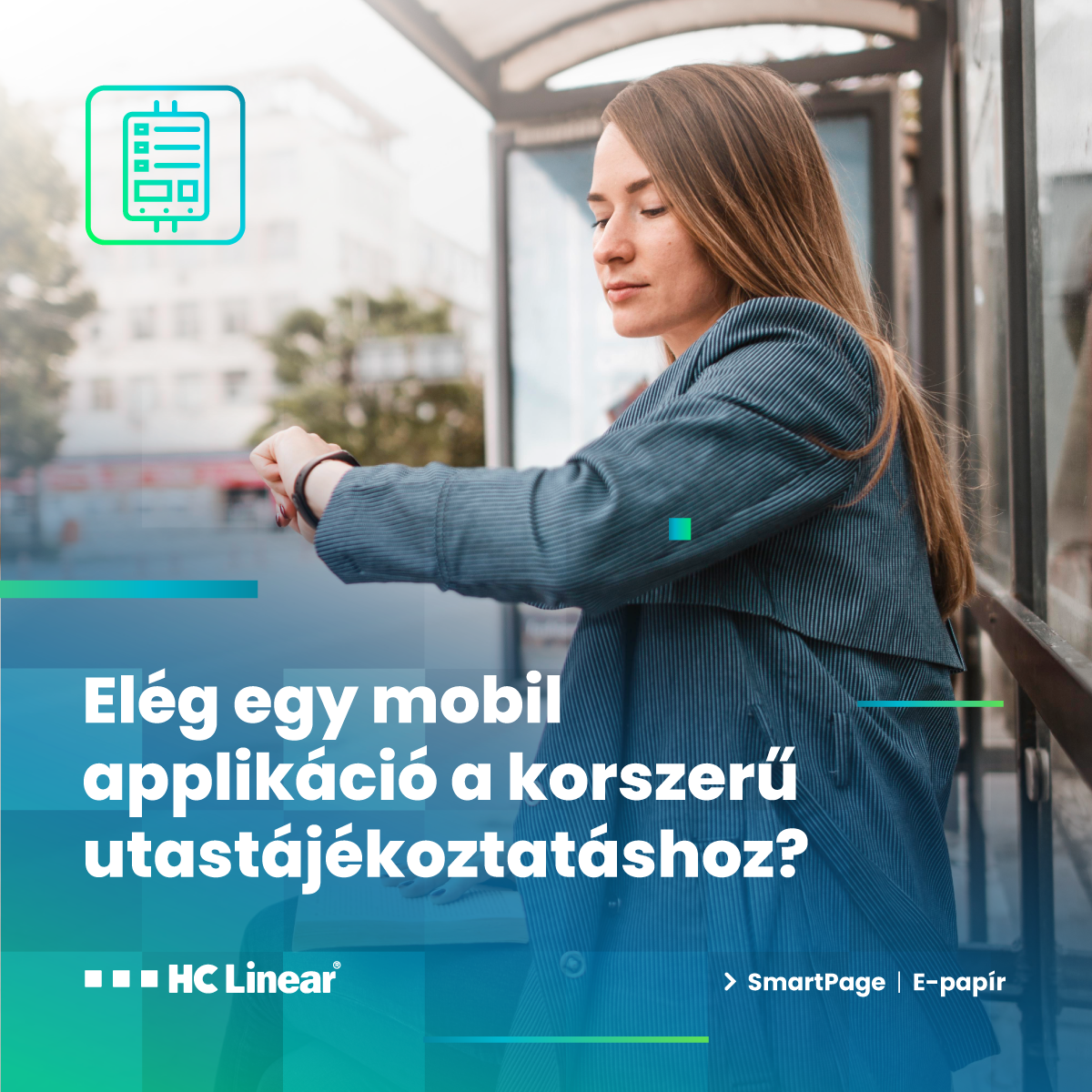
Is a single app enough for modern passenger information?
Smartphone apps, just like in almost every area of life, have become a natural part of public transportation. Real-time service updates, route planning, and traffic alerts are now just a few taps away.
But is a mobile app really enough to ensure everyone gets the information they need? That’s the question we explore in this article.
Digital Inequality in Passenger Information
Research shows that digital inequality remains a significant issue in Hungary, especially across age, place of residence, and income lines. Older people, those living in rural areas, and lower-income groups have less access to, or are less likely to actively use, digital devices and the internet. These gaps reflect existing social inequalities and often deepen them further.
More than 87% of Hungarians over the age of 16 use a smartphone, but usage varies significantly by age group. Among younger adults aged 16 to 39, smartphone use is nearly 98%, while for those over 40, it drops to around 71%. In a typical Hungarian town with a population of about 3,000, roughly 1,700 people are over 40, and statistically, around 500 of them don’t own a smartphone. This means app-based passenger information alone cannot effectively reach this group.
Accessing real-time schedule information requires not only a smartphone but also a mobile internet connection, and mobile internet use tends to decline with age.
There are also significant regional differences. While smartphone usage is around 90% in Pest County and in the Western and Central Transdanubian regions, it falls below 80% in the eastern and southern parts of the country. Mobile internet usage is also lower in these areas; for example, in the Northern Great Plain region, it’s just 65%.
In Hungary, about 2.4 million people over 16 do not have access to mobile internet, meaning they cannot use app-based passenger information services.
A reliable and fair passenger information system must be accessible to everyone, regardless of who they are, where they are, or what device they use to get information. That’s why modern passenger information needs to be multichannel. Alongside digital apps, on-site information options must be provided to ensure every passenger can access the information they need.
In the next part of this article, we’ll explore on-site passenger information options. Beyond traditional paper timetable boards, there are many solutions available — like the SmartPage e-paper system. Don’t miss out! Follow us on LinkedIn, Facebook, or YouTube to stay updated on our latest projects, solutions, and the work of our engineers!
E-paper technology
E-paper displays for sustainable and smart public transportation
The future of public transportation is not only about eco-friendly vehicles — it’s also about how essential information reaches passengers. E-paper display technology is ushering in a new era in urban infrastructure by providing a fast, simple, and sustainable solution for passenger information. Discover how the technology works and what benefits it offers in our article!
E-paper technology — engineered with precision
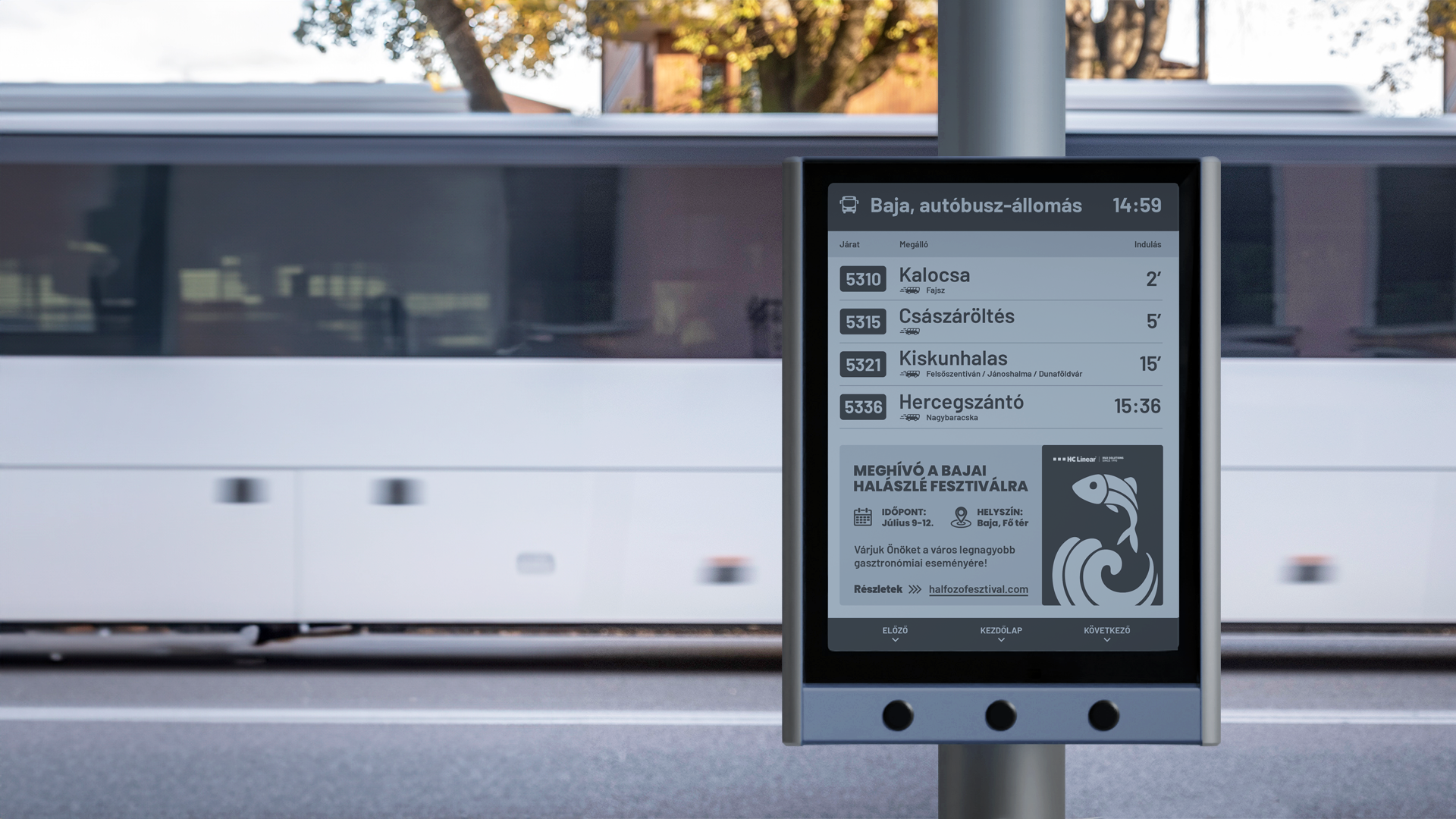
The HC Linear SmartPage is an e-paper passenger information display — a low-power, real-time information device designed specifically for outdoor use.
The 13.3-inch electrophoretic (E-INK) displays feature a 1600×1200 pixel resolution, 16 levels of grayscale, and excellent readability even in daylight. At dusk, the built-in light sensor automatically activates the backlight, ensuring the content remains visible at all times. The displayed information stays stable without network power, making the display ideal for autonomous operation, including solar-powered setups.
Energy management with solar panel and built-in battery
The display is powered by a 20W solar panel mounted on a pole and a built-in 20Ah battery, which can be optionally expanded. Its energy consumption is minimal, allowing it to operate for up to two weeks without charging, resulting in significant savings in operation and maintenance. This ensures that information is reliably available, regardless of weather conditions or network power supply.
Real-time data connection and schedule information
Our displays are compatible with the GTFS-RT standard, enabling real-time display of schedules, delays, early arrivals, and traffic information. The built-in LTE modem, along with optional WiFi, LoRaWAN, and Ethernet interfaces, allow for remote content updates and system monitoring. Accessibility features include physical buttons and 433.92 MHz remote control operation. Additionally, the integrated TTS (text-to-speech) function supports multiple languages and adjustable volume.
Simple and fast content management – cloud-based system with no installation required
Our proprietary, online cloud-based management system, SmartPage, allows content editing anytime, anywhere—requiring only a web browser with internet access, delivered as a SaaS service. The system supports not only the display of transportation information but also the dynamic publishing of announcements, news, local information, and events. Creating online surveys is also simple. Updates are applied instantly, with the option to schedule content in advance. Transparency and ease of use were primary design goals for the system.
Robust design for outdoor use
Powder-coated steel housing (available in RAL color options), 4 mm thick IK09-rated anti-glare tempered glass, and IP65 protection ensure the durability of the display. It operates reliably in temperatures ranging from -20 °C to +65 °C — whether installed on a platform, bus stop, or information hub. This device is not just hardware, but a reliable, long-lasting element of the digital infrastructure for the cities of the future.
The Future of Urban Mobility – Sustainable and Locally Developed
HC Linear’s SmartPage displays, built on e-paper technology, offer a solution that addresses sustainability, economic, and IT challenges simultaneously. By replacing paper-based schedules and notices, maintenance costs are reduced—there’s no need for printing, swapping, or on-site updates anymore. This saves significant resources and fuel while avoiding unnecessary CO2 emissions. For passengers, one of the biggest benefits is that information is always accessible, real-time, accurate, and easy to read.
Have any questions? Feel free to get in touch with our experts at , or visit our website to learn more about the display: smartpage-epaper.hu.
HC Linear’s SmartPage system embodies Hungarian engineering excellence, delivering European-quality solutions designed to meet the long-term needs of cities. Our goal is to contribute to a more transparent, sustainable, and livable transportation system.
Interested in the future technology of urban transportation?
Follow us on LinkedIn, Facebook, or YouTube, where we share the latest updates on our projects, solutions, and the work of our engineers!
A Day in the Life of a Technician
Behind the Scenes: A Technician’s Day at HC Linear
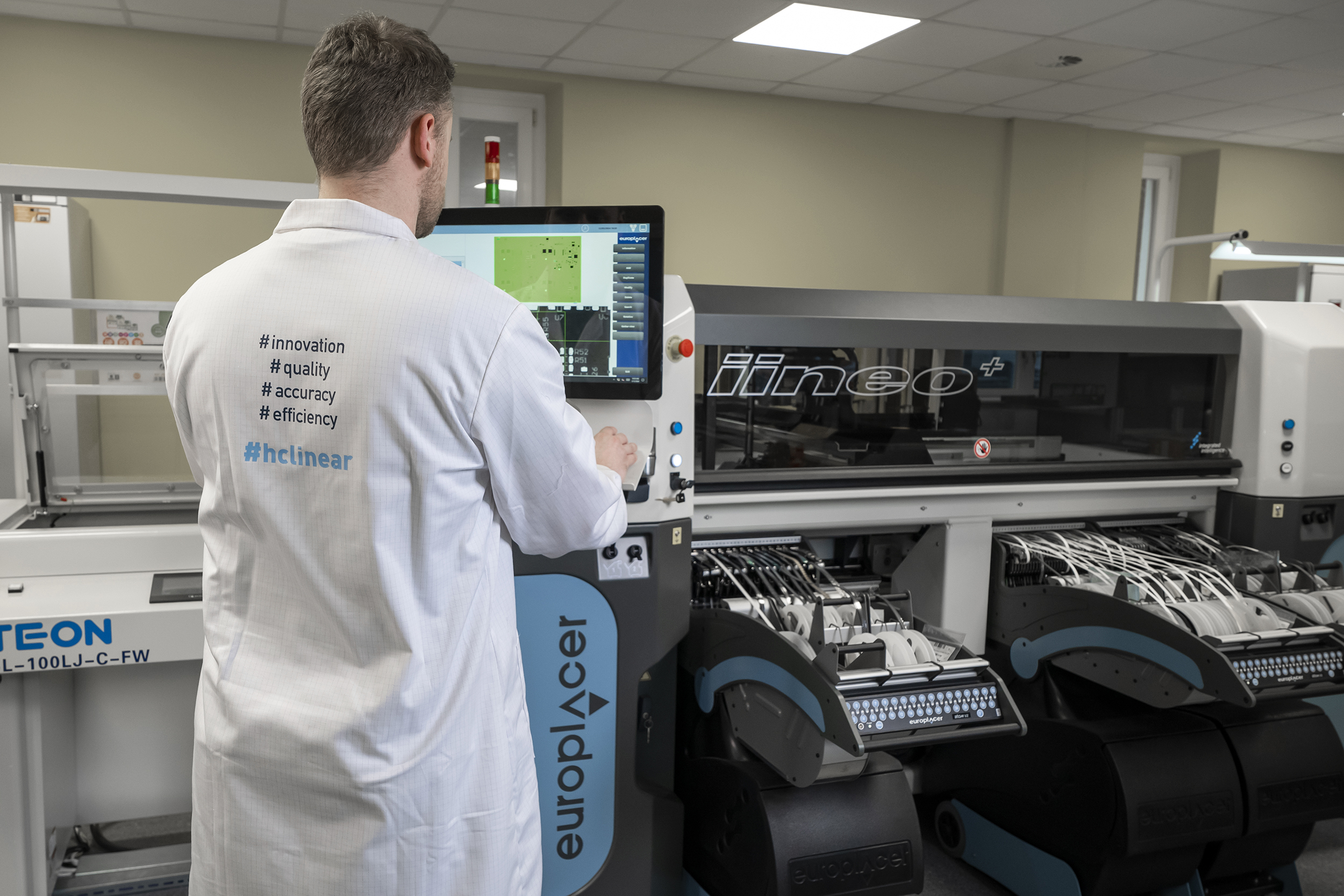
At HC Linear, we develop electronic systems, from research to manufacturing to integration. The reliability of our products depends not only on design but also on precise, high-quality execution. Our technicians play a key role in this process, contributing beyond just repairing units that fail to test.
If you’re curious about what a technician’s workday looks like at HC Linear, the technologies we use, and what you can expect as a professional on our team, read on.
Modern environment – diverse tasks
At our research and development center in Pécs, we operate advanced SMT (surface-mount) and THT (through-hole) production lines, along with a dedicated assembly area. These in-house capabilities allow us to respond quickly and flexibly to the needs of our development team—whether it’s prototype manufacturing or small series production. With a broad product range, our technicians are involved in a wide variety of tasks.
As a member of our team, you’ll be involved in various manufacturing and inspection processes throughout your day. The production of our LED displays is a great example of this. Watch our short video to see how it works:
Our technicians perform a wide range of tasks — from preparing components and materials to configuring the conveyor system and carrying out inspections, they oversee and execute the entire production process. At times, they may also be diagnosing a product that has returned for repair.
Of course, we don’t expect you to have experience in every area from day one. Our goal is to involve you in tasks that best match your skills and interests, while also allowing you to explore new technologies and workflows. Our experienced colleagues are happy to support your onboarding — whether it’s learning to operate machinery or getting familiar with software tools. You can always ask questions — we work as a team and never leave anyone on their own.
The workday is made easier by a single-shift schedule, fresh coffee, fruit, and a positive atmosphere. Collaboration is very important to us: regular team-building activities and company events strengthen our sense of community.
Join our team!
If you’re passionate about electronics, enjoy working with precision, and want to be part of a supportive, growth-driven community, this is the place for you. Check out our current job openings and join us!
Robotic gait training
Innovation in Motion: Financial Support for the Purchase of R-Gait
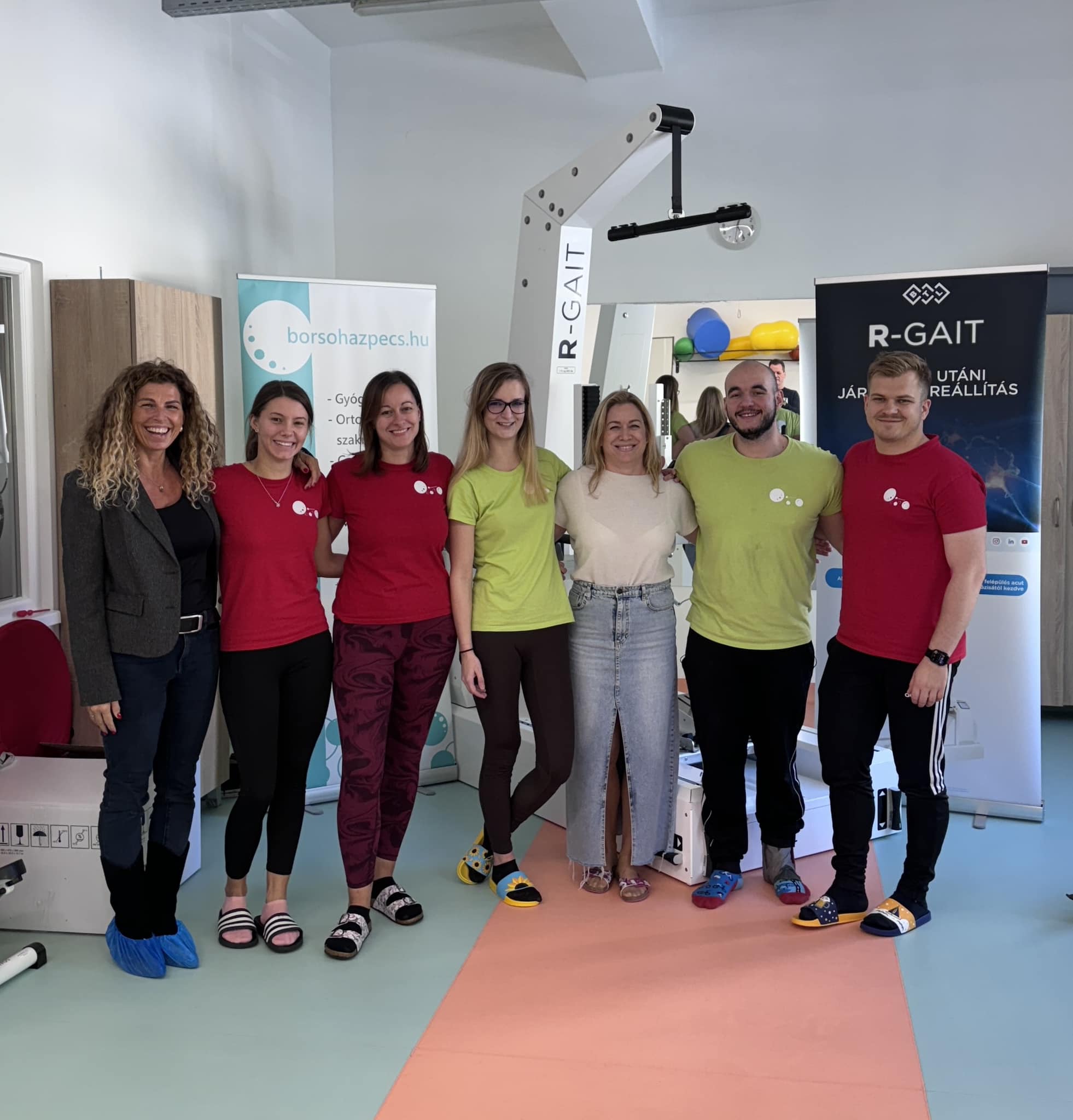
Innovation shapes the future, particularly in healthcare, where cutting-edge technology can improve diagnostics and streamline patient care. Guided by this belief, we proudly contributed to the Borsóház-Pécs Foundation’s efforts to acquire the R-Gait robotic gait trainer, a state-of-the-art rehabilitation device.
Empowering Pediatric Rehabilitation
Borsóház-Pécs is dedicated to helping children with neuromotor and musculoskeletal challenges regain their mobility. Their expert therapists work tirelessly to restore lost or weakened motor functions, and cutting-edge technology plays a crucial role in making rehabilitation more effective. By integrating state-of-the-art solutions like the R-Gait system, they provide young patients with better opportunities for recovery and improved quality of life.
Hungary’s first R-Gait arrives in Pécs
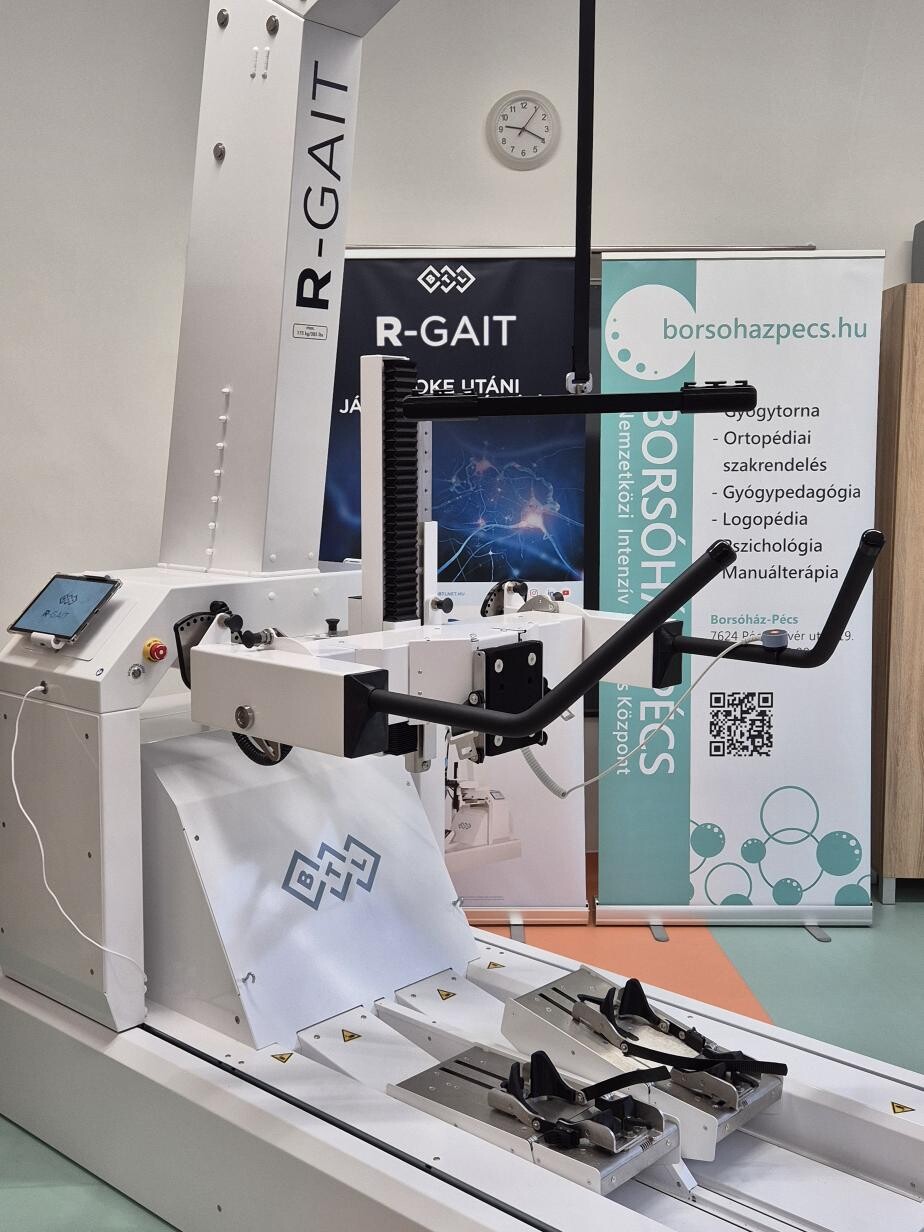
Thanks to the collaboration of local organizations and supporters, the R-Gait robotic gait trainer is now available in Pécs, marking a significant milestone in rehabilitation care. This innovative device assists patients in relearning natural walking patterns by providing controlled weight support and pelvic stabilization. Equipped with sensors and haptic feedback, it enhances therapy by offering real-time adjustments to optimize movement.
At HC Linear, we see innovation as more than just technological progress—it’s about driving meaningful change. Supporting initiatives like this reinforces our commitment to advancements that make a meaningful difference in people’s lives. The work of Borsóház-Pécs is a powerful example of how innovation can transform rehabilitation and open new possibilities for those in need.
MetaCCAZE
HC Linear Joins metaCCAZE Project for Urban Mobility Innovation
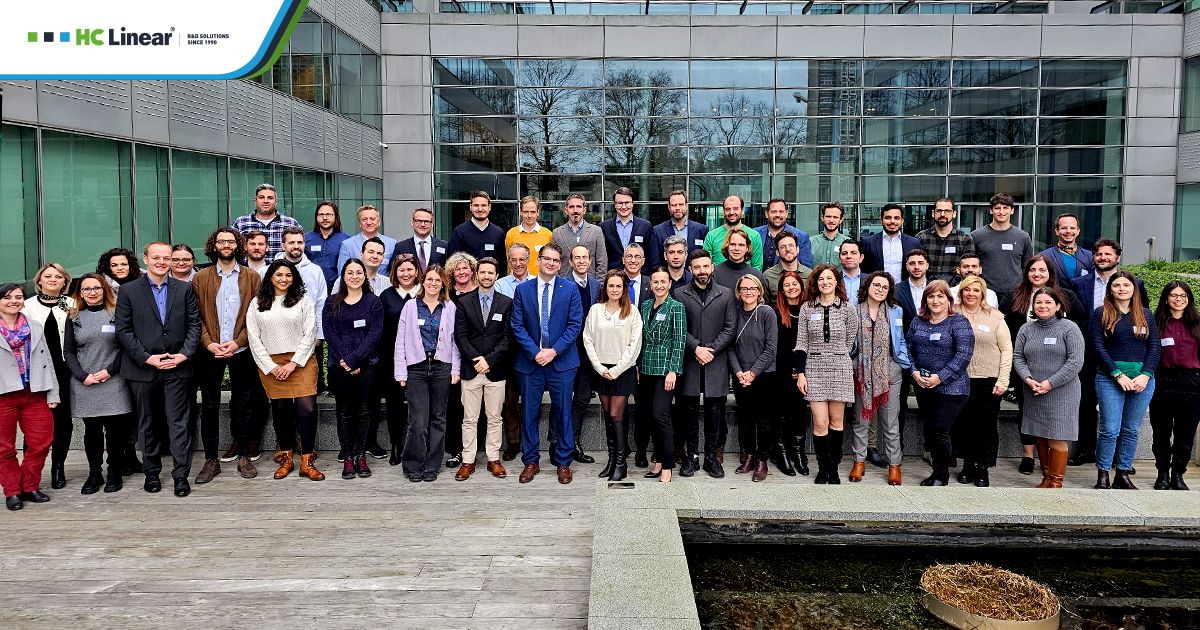
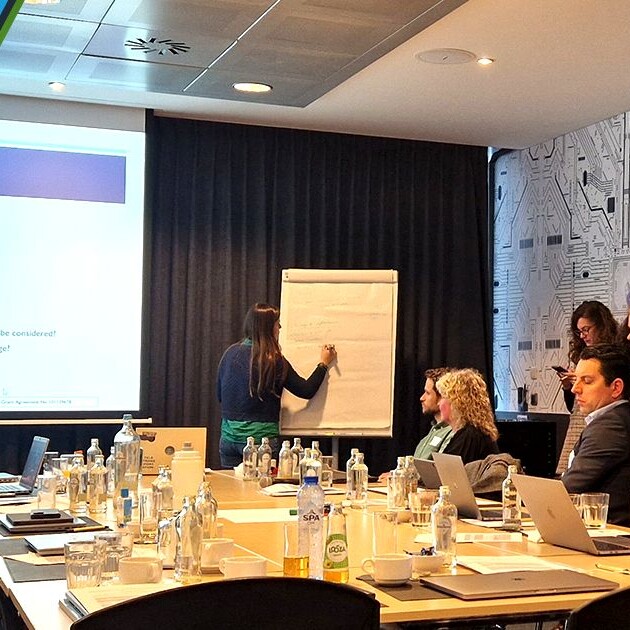
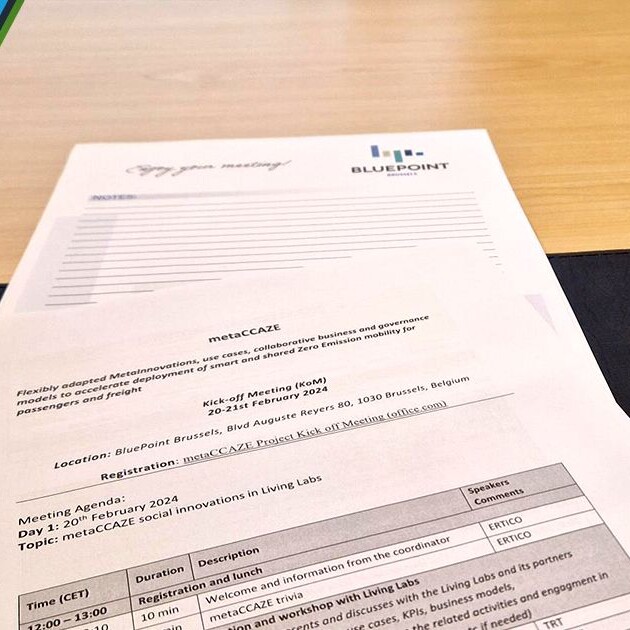
HC HC Linear proudly announces its participation in the metaCCAZE project, funded by Horizon Europe. Together with 43 other partners from 13 European countries, including esteemed entities like Budapest University of Technology and Economics (BME) and Miskolci Közlekedési Vállalat (MVK Zrt.) from Hungary, we’re excited to shape the future of smart urban mobility over the next five years.
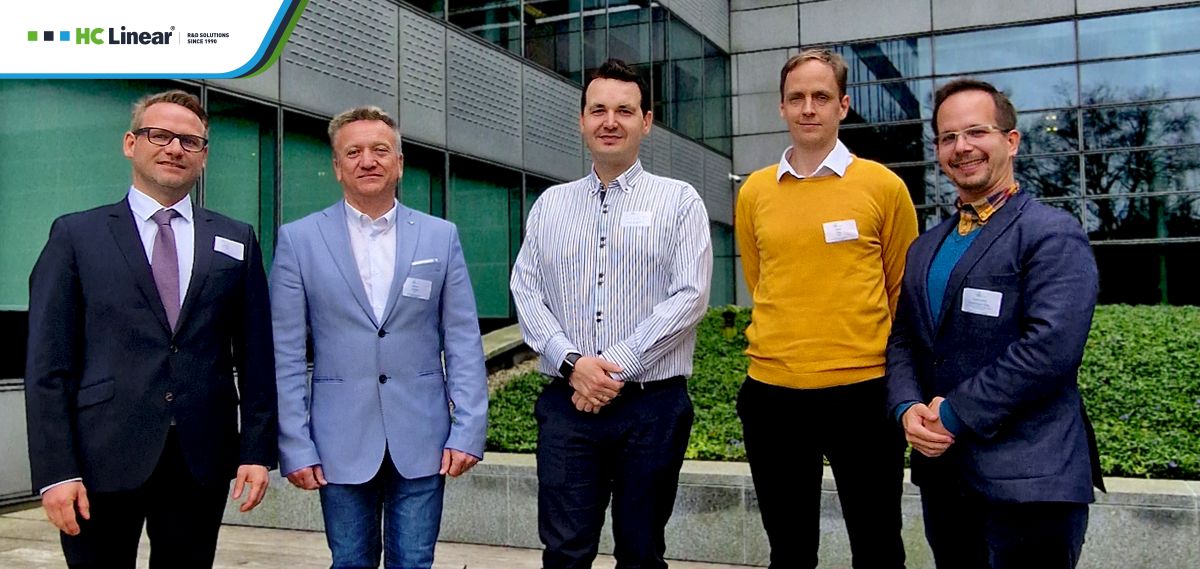
MetaCCAZE aims to drive Europe towards green and connected mobility, aligning with the EU’s Green Deal.
With 44 partners from 12 European countries, including the following Trailblazer Cities:
- Amsterdam
- Munich
- Tampere
- Limassol
and Follower Cities:
- Athens
- Krakow
- Gozo
- Milan
- Miskolc
- Paris
we’ll pioneer electric, automated, and connected mobility solutions.
Our Role
At HC Linear, we’re committed to innovating urban mobility. Leveraging our expertise in digital solutions, we’ll collaborate with partners to develop and test cutting-edge solutions, addressing urban mobility challenges like congestion and pollution.
Looking Ahead
Over the next five years, HC Linear will actively contribute to research, pilot testing, and knowledge sharing within the metaCCAZE project. Together, we’ll revolutionize urban mobility, creating sustainable and efficient transportation systems for cities across Europe.
Join us as we shape the future of urban mobility with metaCCAZE. Stay tuned for updates on our website and social media platforms.
Learn more about metaCCAZE here.