


SmartPage at the KTE Conference
SmartPage at the KTE Transport Development and Investment Conference
The 26th Transport Development and Investment Conference is one of Hungary’s leading multi-day professional forums, focusing on current challenges in transport development, investment priorities, and technological innovation.
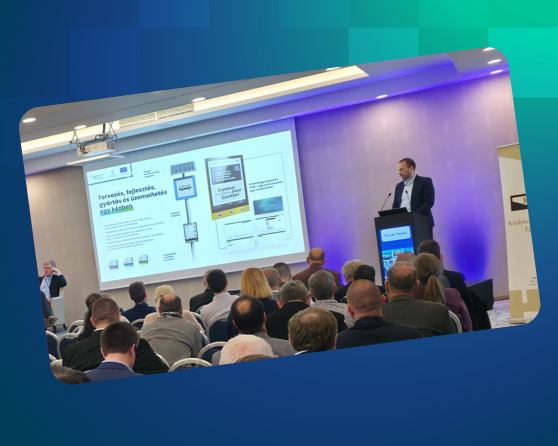
Held between March 24–26, 2026 in Bükfürdő, the event also featured a presentation by our Lead Project Engineer. Under the title “Real-time passenger information with the SmartPage e-paper display system”, the session introduced both the concept behind the solution and key insights from its practical implementation.
Following the event, a detailed professional article will also be published in the online journal of the Hungarian Scientific Association for Transport. Below is a summary of how the SmartPage system works and the benefits it delivers.
Real-time passenger information with the SmartPage e-paper display system
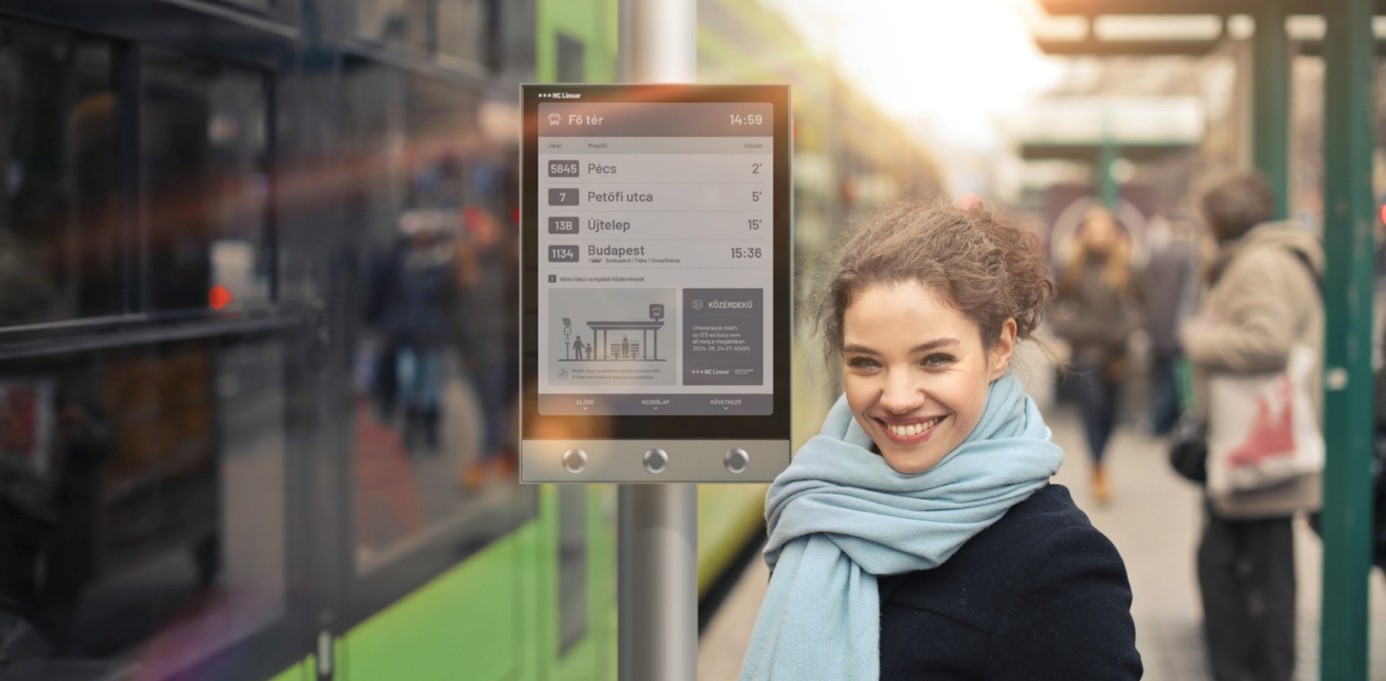
In public transport, access to accurate and reliable information is one of the most important factors shaping the passenger experience. Timely updates on schedules, delays, and unexpected changes have a direct impact on how services are perceived.
Developed by HC Linear, the SmartPage e-paper-based passenger information system offers a sustainable and cost-efficient solution to this challenge.
The system is designed to provide real-time, dynamically updated information for passengers waiting at stops, while minimising energy consumption and infrastructure requirements. Built on e-paper technology, SmartPage displays are particularly well suited to locations where installing LED or TFT displays would be too costly or technically complex.
One of the key advantages of e-paper technology is that it only consumes power when content is updated, making it extremely energy efficient. As a result, SmartPage devices can operate without a fixed power connection, using batteries or even solar energy.
Thanks to their paper-like appearance, the displays remain highly readable even in strong sunlight, providing consistently high contrast. Designed for outdoor use, the devices withstand harsh weather conditions and can be easily installed on poles or walls.
Through a remote management platform, all displays can be monitored and controlled in real time. Operators can manage content, check device status, and access diagnostic data from a single interface. In addition to timetable information, the system supports a wide range of content, including local news, community updates, and municipal messages, which can be scheduled across multiple pages.
User interaction is reflected in navigation activity, with deployed devices recording an average of 3,000 button presses per month per unit.
QR codes can also be displayed, allowing passengers to instantly access additional digital content or participate in surveys.
Feedback collected by HC Linear shows that the vast majority of users describe their first interaction with the display as positive. Many highlight the convenience of instantly seeing when the next vehicle will arrive, without needing to check mobile apps or printed timetables.
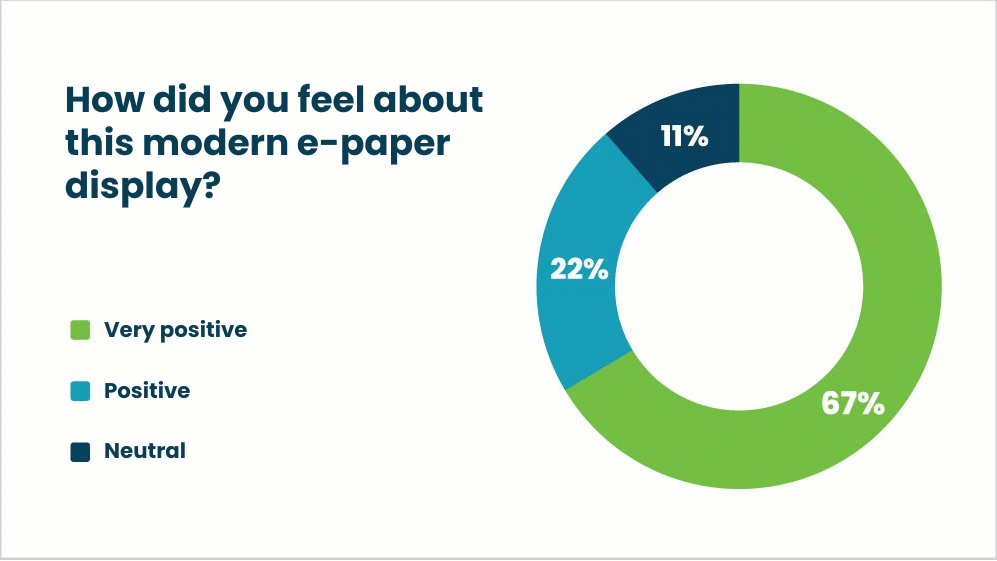
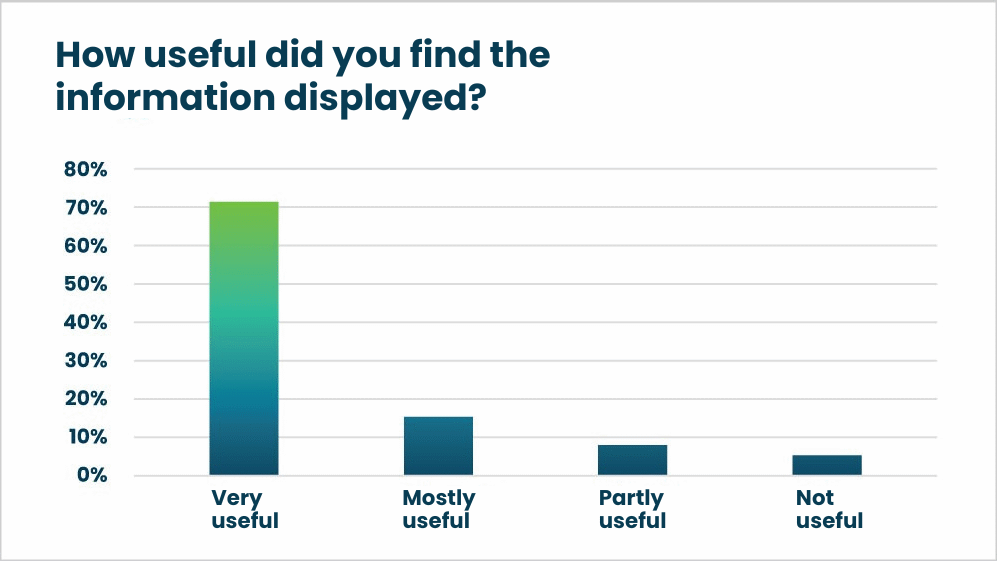
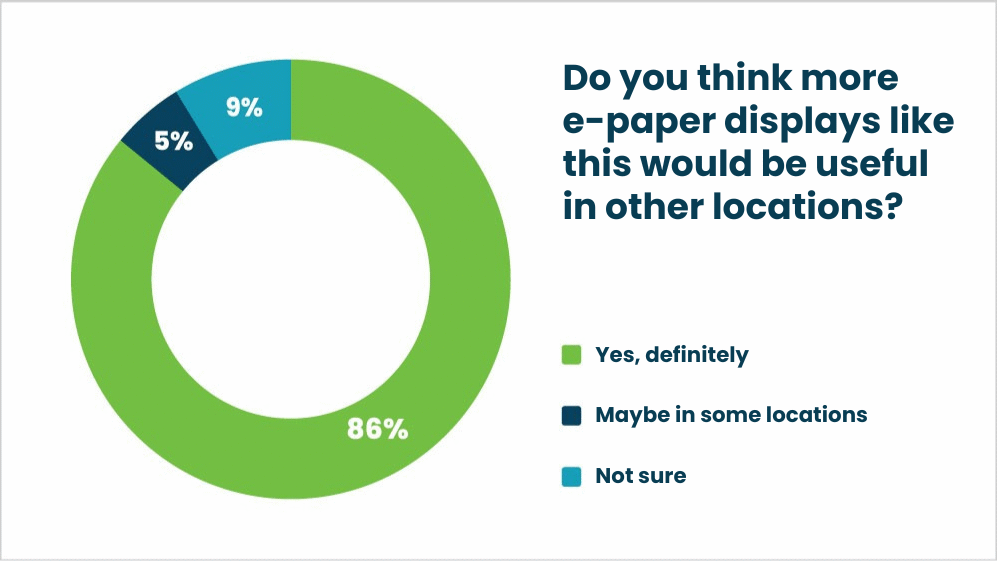
A significant share of respondents would welcome the wider deployment of such displays, particularly at busy hubs and at stops where no digital passenger information is currently available.
Energy-efficient digital infrastructure is playing an increasingly important role in the development of public transport, supporting both passenger convenience and cost-efficient operation. SmartPage e-paper displays offer a simple digital alternative to paper-based timetables and a foundation for a modern, future-ready passenger information system.
HC Linear, the Hungarian company behind the system, has more than 35 years of experience in the research, development, and manufacturing of electronic and software systems. Its R&D centre in Pécs is home to an in-house engineering team working on hardware, software, and system integration solutions.
HC Linear’s transport IT systems are deployed across multiple countries, cities, and regions, helping to simplify mobility for millions of passengers every day.
Embedded World 2026
Where Are Embedded Systems Headed?
The evolution of embedded technology continues to reshape established boundaries. This shift was particularly evident at Embedded World 2026 in Nuremberg, where our team spent three days exploring the latest industry developments and gaining a comprehensive view of where the market is heading.
New Perspectives
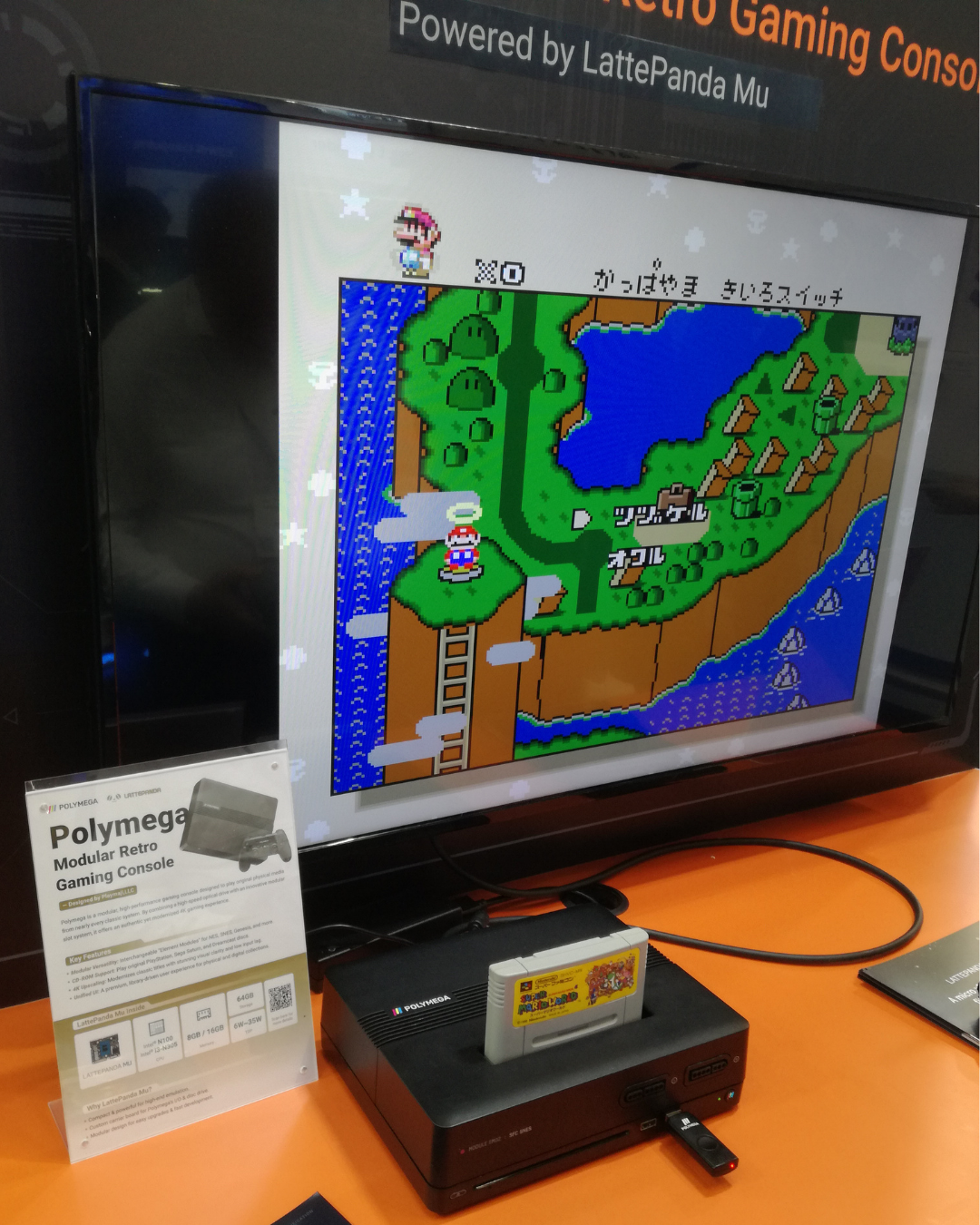
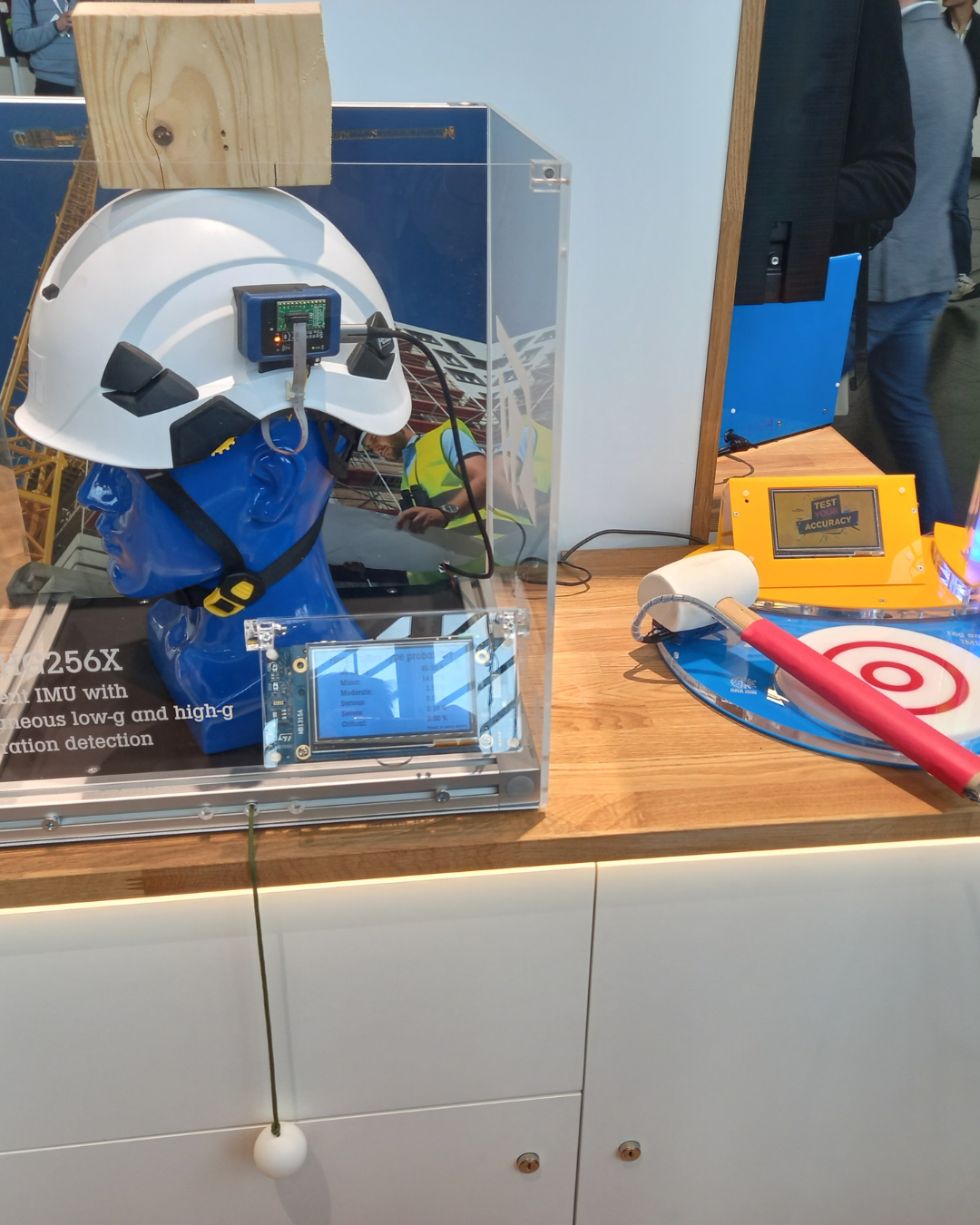
While our visit followed a carefully structured professional agenda, some of the most valuable insights came from beyond the planned meetings. This is one of the exhibition’s greatest strengths. Even when you arrive with clear objectives, you inevitably encounter solutions that challenge your assumptions and open up new perspectives for everyday development work. In the following, we present a selection of these insights.
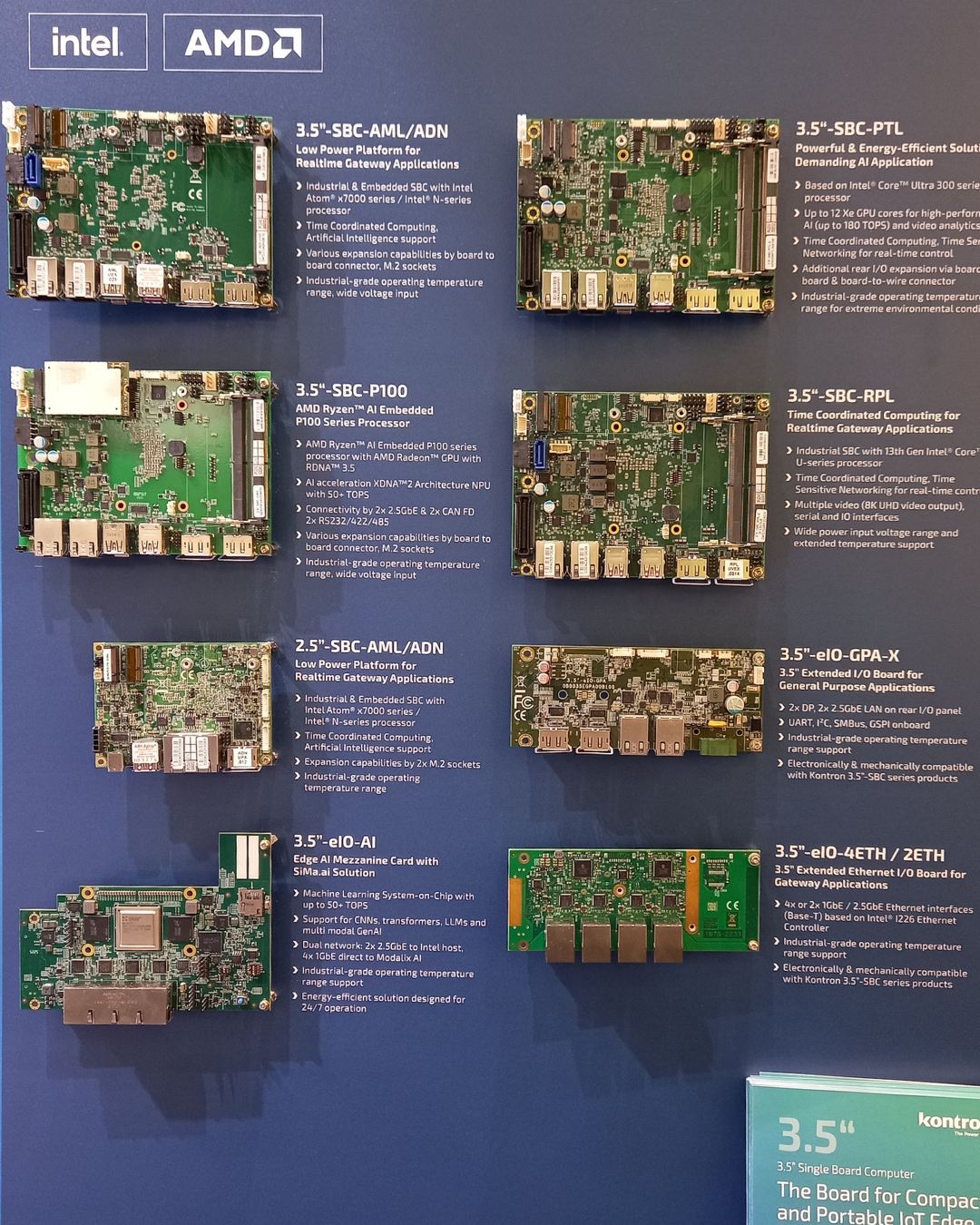
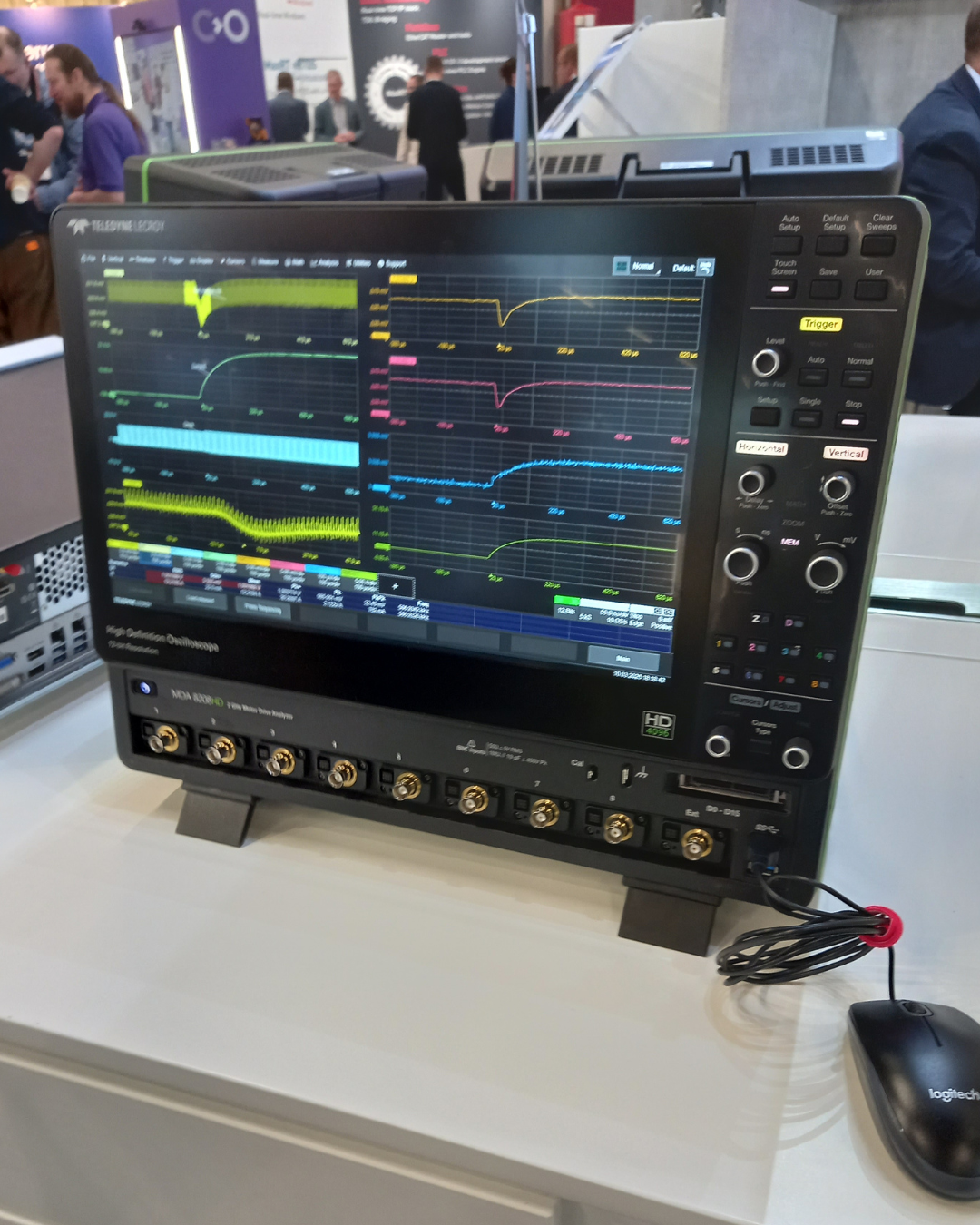
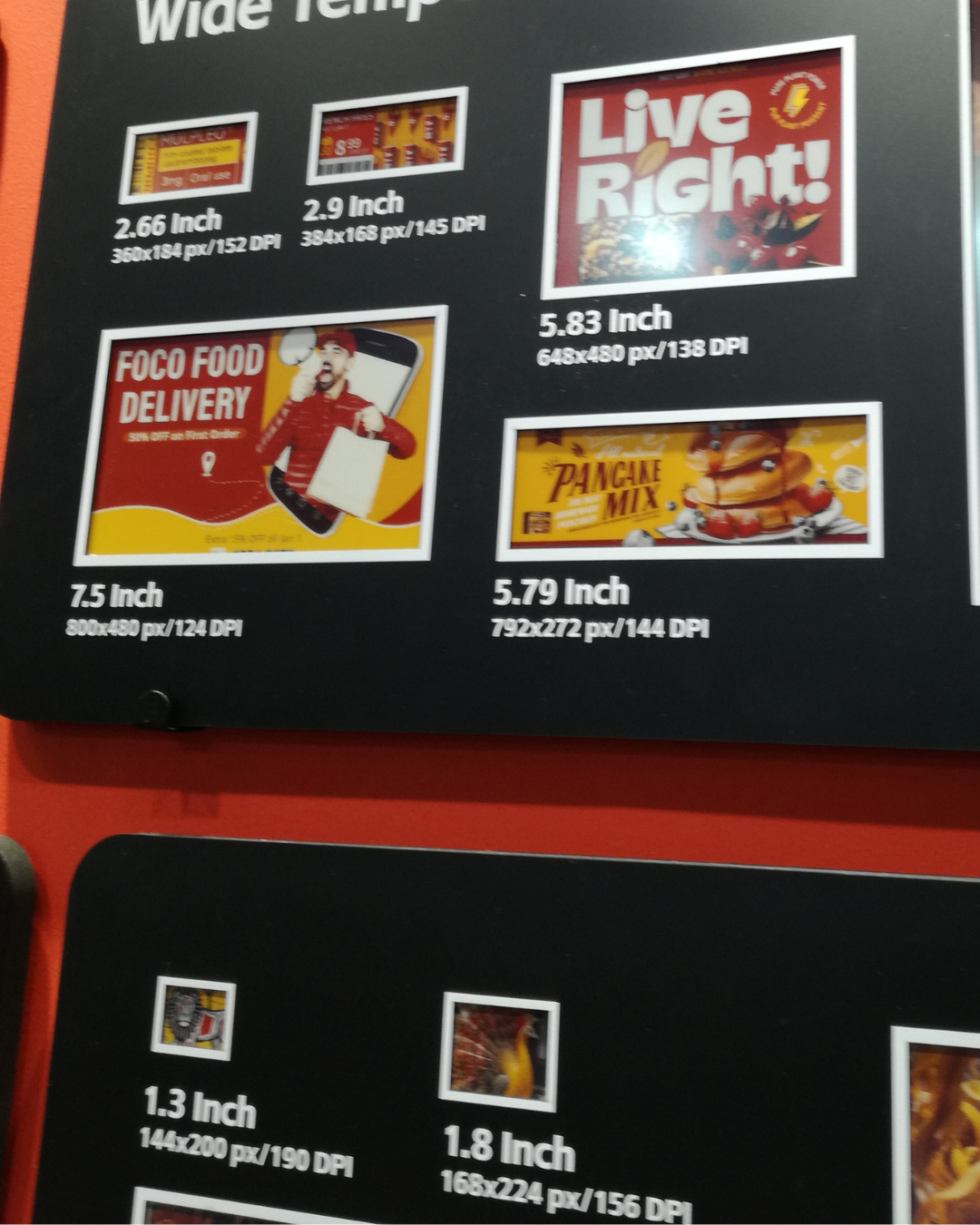
Rigid-Flex vs. Semi-Flex in Practice
Rigid-flex PCBs remain the go-to solution when circuits need to conform to complex geometries. Their key advantage lies in their ability to withstand repeated bending while supporting tight bend radii. In addition, eliminating bulky connectors enables more compact designs.
However, our experience at the exhibition reinforced a well-known trade-off. Rigid-flex designs typically require custom stack-ups, which increases both manufacturing complexity and cost.
Semi-flex solutions, on the other hand, offer a compelling middle ground. These designs use standard FR4 material in a thinned configuration, allowing for limited bending. While they are not suitable for dynamic flexing, they are ideal for shaping during assembly. Thanks to fixed layer stack-ups and the possibility of pooled manufacturing, semi-flex PCBs can be a highly cost-effective option, especially for small to medium production runs.
This contrast clearly highlights a fundamental principle. Selecting the right technology always depends on the specific application environment.
Open Toolchains in the FPGA Ecosystem
The FPGA landscape is still largely dominated by closed ecosystems, but we are starting to see meaningful shifts. Some emerging players are actively working to change this.
For example, Cologne Chip offers FPGA solutions supported by open-source toolchains. This represents a significant step forward for companies looking to reduce vendor lock-in or gain greater control over their development workflows.
At the same time, FPGA-based System-on-Module solutions continue to play a key role, particularly in simplifying integration for complex systems.
System-in-Package: When Space Is Critical
System-in-Package solutions are increasingly positioning themselves as an alternative to traditional System-on-Module architectures. Their primary advantage is compactness, which is an essential factor in applications where every square millimeter counts.
This level of integration, however, comes with added complexity. BGA packaging increases both design and manufacturing challenges and requires higher engineering expertise as well as more precise production technologies.
System-in-Package is a clear example of a broader industry trend. Miniaturization often goes hand in hand with increased complexity.
Rethinking Touch Interfaces
One of the most interesting developments we observed was in the field of human-machine interfaces. Several manufacturers showcased solutions that combine the flexibility of touchscreens with the tactile feedback of mechanical controls.
The concept is simple and effective. Mechanical elements such as buttons or rotary knobs are mounted on the surface of a touchscreen and physically actuate it. This approach delivers tangible feedback without requiring additional electrical integration.
The result is reduced system complexity and a significantly improved user experience. This can be particularly valuable in environments where reliable feedback is critical, such as industrial control interfaces.
At the same time, haptic feedback technologies are reaching new levels of maturity, with some solutions now convincingly replicating the feel of mechanical switches.
Based on what we saw at Embedded World 2026, engineering decisions are increasingly made at system level. PCB technology, integration approach and interface design are no longer separate topics but tightly linked choices that directly impact performance and manufacturability. The challenge is not access to new technologies, but using them in a way that fits the actual application.
CanSat
High School Students in Pécs Developing Flight-Ready Satellite Systems
What exactly is CanSat, and how can a satellite simulation built by high school students reach an altitude of 1,000 meters?
The CanSat competition invites student teams to design and build a miniaturized satellite the size of a soft drink can. The payload is launched by rocket, deployed at approximately one kilometer, and descends by parachute while transmitting environmental data collected through onboard sensors. More than a technical challenge, the program introduces students to mission planning, systems engineering methodology, verification procedures, and professional-level technical documentation.
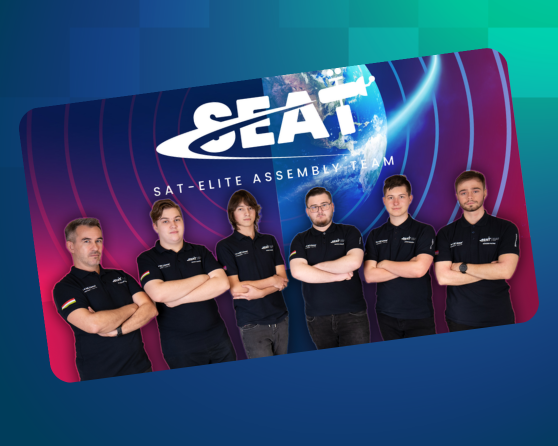
The Sat-Elite Assembly Team from Pécs has been competing for the third consecutive year in the Hungarian round organized by the Hungarian Astronautical Society as part of the European Space Agency educational initiative. Their work shows how secondary school students can approach engineering problems with the rigor and mindset typically associated with the aerospace sector.
Six Months to Deliver a Flight-Ready System
The Hungarian CanSat program has grown significantly in recent years, expanding from just a handful of teams to more than one hundred participants. Competing in such a field represents a considerable technical achievement.
Teams have six months to define mission objectives, design electronic and mechanical systems, develop embedded software, conduct validation tests, and prepare professional technical documentation. The top ten teams’ CanSats are launched to an altitude of 1,000 meters before descending safely by parachute. Following recovery, students present their flight data and system performance to a professional jury.
Recovery as a Mission-Critical Challenge
Although the launch captures the most attention, recovery often proves to be just as demanding. A descending payload released at one kilometer can drift several kilometers from the launch site depending on wind conditions. In previous competitions, some teams have spent hours locating their CanSat, and in rare cases the payload was never recovered.
To mitigate this risk, the Sat-Elite Assembly Team developed a proprietary radio and GPS-based tracking solution designed to provide accurate post-landing localization. Their goal extends beyond securing their own mission success. They are working toward a robust, reusable system that could support other teams in future competitions as well.
Integrated Hardware and Embedded Systems
Within the strict size and mass constraints defined by the competition rules, the team continuously enhances the functionality of its satellite. The current configuration incorporates thermal imaging capabilities, calibrated visible-spectrum cameras, temperature and humidity sensors, GPS positioning, and additional environmental measurement units. Structural improvements have been implemented to better withstand launch acceleration loads and landing impact forces.
Throughout the development process, team members have gained practical experience in printed circuit board design, embedded firmware development, mechanical integration, system validation, and formal engineering documentation. A comprehensive Critical Design Review video documents their progression from initial concept through subsystem integration to a flight-ready prototype, offering insight into both hardware architecture and software implementation.
From Competition to Orbit
Their achievements in previous competitions created new opportunities. In cooperation with the Budapest University of Technology and Economics, the team contributed to an experimental payload integrated into the HUNITY satellite. The satellite reached a 520-kilometer orbit aboard the SpaceX Transporter-15 mission.
The onboard experiment measures panel temperature, visible and infrared radiation levels, and attitude-related orientation parameters. The collected telemetry is transmitted to ground stations for processing and analysis, transforming classroom engineering into real orbital data acquisition.
More Than a Competition
Within the team, clearly defined roles reflect real engineering environments. Some members focus on embedded software, others specialize in electronics design, documentation, systems integration, or external communications. They actively participate in professional events and maintain a visible presence in the community, motivated by the belief that access to inspiring technological challenges can shape future career paths.
The final results will be decided in April among the top ten teams. Regardless of the outcome, supporting the Sat-Elite Assembly Team means supporting the next generation of engineers. Investing in young talent today strengthens the foundations of tomorrow’s innovation ecosystem.
BUS2BUS Roadshow
BUS2BUS 2026: Autonomous Mobility, Electrification and the Future of Bus Transport
The fourth stop of the BUS2BUS Roadshow in Berlin set the strategic tone for BUS2BUS 2026, positioning bus mobility at the center of Europe’s transport transformation. At the first Roadshow stop in Hungary and the Czech Republic, Tamás Móricz, Commercial Director of HC Linear, represented the company in a professional dialogue with an international audience. The Berlin roundtable discussion, moderated by Sustainability Evangelist and Podcast Host Zackes Brustik, brought together Kerstin Kube-Erkens, Director of BUS2BUS at Messe Berlin; Christiane Leonard, Managing Director of the Bundesverband Deutscher Omnibusunternehmen; Dr. Stefan Carsten, Futurist and Curator of the BUS2BUS Future Forum; and Maximilian Rohs, Director Infrastructure & Mobility at PwC Deutschland.
The message emerging from the discussion was clear. Buses are no longer simply a component of public transport. They are a strategic enabler of sustainable, scalable, and digitally integrated mobility systems.
Industry in Structural Transformation
The bus sector is undergoing structural change driven by three interconnected forces: decarbonization, digitalization and automation.
Fleet electrification is accelerating across European markets. Battery electric buses and alternative powertrains are reshaping procurement strategies and operational models. However, large scale deployment depends on parallel investment in charging infrastructure, grid capacity and reliable funding mechanisms. Without scalable depot and opportunity charging solutions, electrification cannot reach full operational maturity.
Autonomous Driving Technology
At the same time, autonomous driving technology is progressing from pilot projects toward scalable deployment. Highly automated buses are increasingly viewed as a long term response to one of the sector’s most pressing structural challenges: driver shortages. In rural and low demand areas especially, automation could expand service coverage while improving operational efficiency.
From Vehicles to Integrated Mobility Systems
A key takeaway from the panel was the shift from product centric thinking to system oriented mobility ecosystems. Future operators will not simply procure vehicles. They will integrate energy management, AI based fleet optimization, digital ticketing and real time passenger information into cohesive mobility platforms.
Regulation, Funding and Investment Security
Technological readiness alone is insufficient. Stable regulatory frameworks and long term funding instruments are essential to ensure investment security. The discussion highlighted the need for coordinated public support schemes to accelerate fleet electrification, infrastructure rollout and digital transformation.
Reducing administrative burden and ensuring alignment between European and national regulation were identified as critical enablers of innovation. Overregulation risks slowing deployment at a time when implementation speed is decisive.
Rural Mobility and Strategic Relevance
Beyond technology, the bus was positioned as a strategic instrument for territorial cohesion. Compared to rail infrastructure, buses offer flexibility, lower capital expenditure and faster deployment cycles. This makes them central to strengthening rural mobility and ensuring affordable access to transport services.
Younger generations increasingly prioritize accessibility and sustainability over private vehicle ownership, reinforcing the long term relevance of bus based mobility solutions.
Looking Ahead to BUS2BUS 2026
BUS2BUS 2026 will take place on 15 and 16 April 2026 at Messe Berlin. The event will occupy two exhibition halls and an outdoor area offering test drive opportunities, with more than 50 vehicles on display. Dedicated formats such as the Future Forum, Partner Stage and the Young Professionals program will complement the exhibition, alongside additional networking opportunities. Designed as a platform for exchange across the entire value chain of the bus and coach industry, BUS2BUS 2026 aims to connect manufacturers, operators, policymakers and technology providers in a focused professional setting.
The Roadshow underscored that the future of mobility will depend on integrated systems, coordinated investment and technological maturity. In this transformation, buses will play a defining role. For technology providers such as HC Linear, this evolving landscape represents both responsibility and opportunity: delivering reliable, high-performance solutions that contribute to the operational resilience and long-term sustainability of next-generation mobility systems.
Myths about SmartPage e-paper
4 myths about SmartPage e-paper displays, clarified
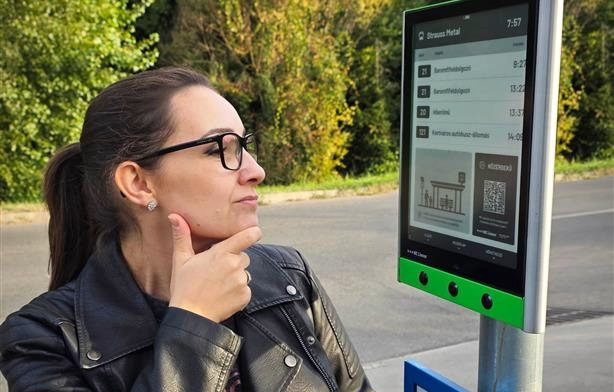
Over the past months, we have received numerous positive responses to our SmartPage e-paper passenger information displays. At the same time, some myths and doubts have also appeared, often rooted in misunderstandings. We have collected the most common ones and provide brief explanations to clarify the facts.
“If the sun isn’t shining, it won’t work”
Although the displays can be powered by solar panels, they are not dependent on sunlight. The built-in battery has been designed to ensure reliable operation even during cloudy periods or in winter. Where required, the device can also be connected to the power grid, providing multiple energy options. Another key advantage of e-paper technology is its energy efficiency: the display only consumes power when refreshing content, which keeps operational energy demand to a minimum.
“It won’t last a week before someone damages it”
Durability is often a concern with public displays. SmartPage units are designed for outdoor use, featuring anti-glare safety glass and a robust housing that withstands both harsh weather and vandalism attempts.
Experience shows that passengers value the displays and use them as intended, supporting their long-term operation.
“Older people will not know how to use it”
Digital screens are often assumed to be too complex for seniors. In designing SmartPage, user-friendliness was a top priority. The display features large, easy-to-read characters that remain visible under all lighting conditions. Its classic, oversized navigation buttons are familiar and intuitive, even for those with little experience using digital devices.
In practice, older passengers adapt quickly and come to appreciate the accurate, real-time information provided. We often see passengers helping one another get familiar with the device, which further strengthens acceptance across all age groups.
“It’s unnecessary, everyone has a phone anyway”
Some argue that a good mobile app makes public displays unnecessary. In reality, the two serve different purposes and complement each other. Not every passenger has mobile internet, and many, especially seniors and tourists, prefer not to download apps. Phones can run out of battery, lose signal, or simply be less convenient than a display that provides information instantly.
In public transport, passenger experience is crucial. SmartPage delivers accessible, reliable information that builds trust and makes choosing public transport easier.
Would you like to know more?
Contact us to learn more about how our solutions can help make public transport in your city more reliable and passenger-friendly.
Multichannel Passenger Information
Is a single app enough for modern passenger information?
Smartphone apps, just like in almost every area of life, have become a natural part of public transportation. Real-time service updates, route planning, and traffic alerts are now just a few taps away.
But is a mobile app really enough to ensure everyone gets the information they need? That’s the question we explore in this article.
Digital Inequality in Passenger Information
Research shows that digital inequality remains a significant issue in Hungary, especially across age, place of residence, and income lines. Older people, those living in rural areas, and lower-income groups have less access to, or are less likely to actively use, digital devices and the internet. These gaps reflect existing social inequalities and often deepen them further.
More than 87% of Hungarians over the age of 16 use a smartphone, but usage varies significantly by age group. Among younger adults aged 16 to 39, smartphone use is nearly 98%, while for those over 40, it drops to around 71%. In a typical Hungarian town with a population of about 3,000, roughly 1,700 people are over 40, and statistically, around 500 of them don’t own a smartphone. This means app-based passenger information alone cannot effectively reach this group.
Accessing real-time schedule information requires not only a smartphone but also a mobile internet connection, and mobile internet use tends to decline with age.
There are also significant regional differences. While smartphone usage is around 90% in Pest County and in the Western and Central Transdanubian regions, it falls below 80% in the eastern and southern parts of the country. Mobile internet usage is also lower in these areas; for example, in the Northern Great Plain region, it’s just 65%.
In Hungary, about 2.4 million people over 16 do not have access to mobile internet, meaning they cannot use app-based passenger information services.
A reliable and fair passenger information system must be accessible to everyone, regardless of who they are, where they are, or what device they use to get information. That’s why modern passenger information needs to be multichannel. Alongside digital apps, on-site information options must be provided to ensure every passenger can access the information they need.
In the next part of this article, we’ll explore on-site passenger information options. Beyond traditional paper timetable boards, there are many solutions available — like the SmartPage e-paper system. Don’t miss out! Follow us on LinkedIn, Facebook, or YouTube to stay updated on our latest projects, solutions, and the work of our engineers!
Busworld Europe
Let’s Meet in Belgium — Heading to Busworld Europe 2025!
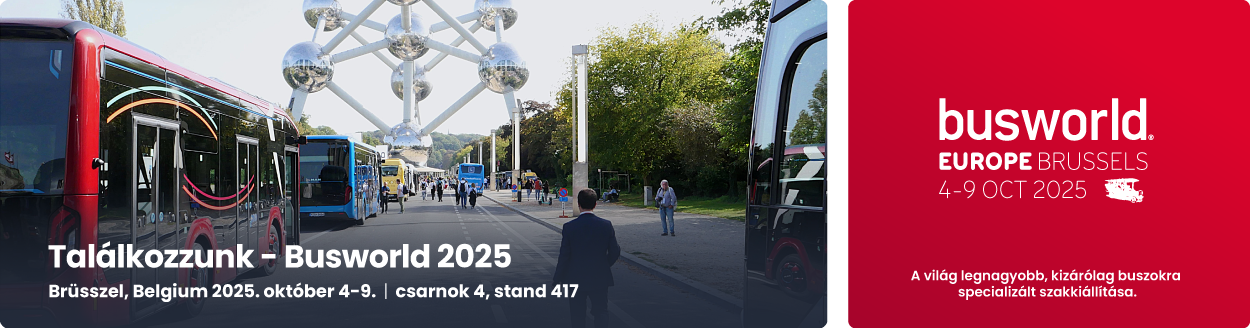
In October 2025, Brussels will host the world’s largest and most influential bus industry event, Busworld Europe 2025. During the event, from October 4th to 9th, we invite professionals interested in public transportation, vehicle manufacturing, and mobility technologies to visit the HC Linear exhibition stand — including you.
What Awaits the Attendees?
This year, Busworld Europe will focus on sustainable mobility solutions, the latest digital innovations, and future transportation trends, featuring over 500 exhibitors showcasing transport technology solutions from around the globe.
We Look Forward to Welcoming You at Our Stand!
HC Linear awaits visitors at Hall 4, Stand 417. We will showcase our latest products, services, and technological innovations. This exceptional opportunity offers a chance for personal meetings with our partners, clients, and industry decision-makers.
If you have any questions or would like to pre-register for the event, please feel free to contact us at
. We offer our partners free admission to the event—please reach out to our colleagues for a voucher code!
Follow Us!
For more information about the exhibition and live updates, follow and stay tuned to our social media channels:
We look forward to welcoming you and your colleagues in October in Berlin at Busworld Europe 2025 — where the future of transportation begins!
E-paper technology
E-paper displays for sustainable and smart public transportation
The future of public transportation is not only about eco-friendly vehicles — it’s also about how essential information reaches passengers. E-paper display technology is ushering in a new era in urban infrastructure by providing a fast, simple, and sustainable solution for passenger information. Discover how the technology works and what benefits it offers in our article!
E-paper technology — engineered with precision
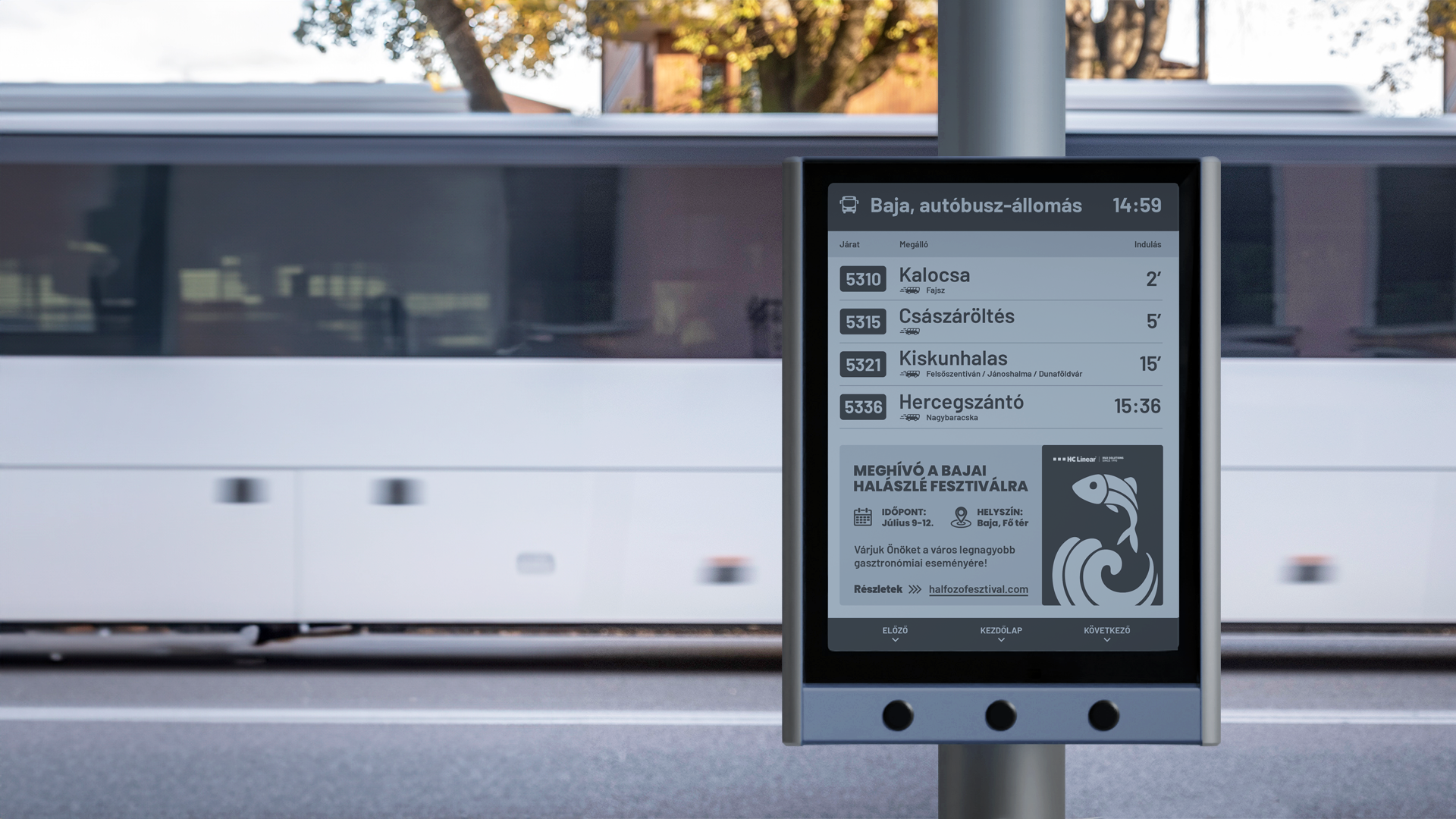
The HC Linear SmartPage is an e-paper passenger information display — a low-power, real-time information device designed specifically for outdoor use.
The 13.3-inch electrophoretic (E-INK) displays feature a 1600×1200 pixel resolution, 16 levels of grayscale, and excellent readability even in daylight. At dusk, the built-in light sensor automatically activates the backlight, ensuring the content remains visible at all times. The displayed information stays stable without network power, making the display ideal for autonomous operation, including solar-powered setups.
Energy management with solar panel and built-in battery
The display is powered by a 20W solar panel mounted on a pole and a built-in 20Ah battery, which can be optionally expanded. Its energy consumption is minimal, allowing it to operate for up to two weeks without charging, resulting in significant savings in operation and maintenance. This ensures that information is reliably available, regardless of weather conditions or network power supply.
Real-time data connection and schedule information
Our displays are compatible with the GTFS-RT standard, enabling real-time display of schedules, delays, early arrivals, and traffic information. The built-in LTE modem, along with optional WiFi, LoRaWAN, and Ethernet interfaces, allow for remote content updates and system monitoring. Accessibility features include physical buttons and 433.92 MHz remote control operation. Additionally, the integrated TTS (text-to-speech) function supports multiple languages and adjustable volume.
Simple and fast content management – cloud-based system with no installation required
Our proprietary, online cloud-based management system, SmartPage, allows content editing anytime, anywhere—requiring only a web browser with internet access, delivered as a SaaS service. The system supports not only the display of transportation information but also the dynamic publishing of announcements, news, local information, and events. Creating online surveys is also simple. Updates are applied instantly, with the option to schedule content in advance. Transparency and ease of use were primary design goals for the system.
Robust design for outdoor use
Powder-coated steel housing (available in RAL color options), 4 mm thick IK09-rated anti-glare tempered glass, and IP65 protection ensure the durability of the display. It operates reliably in temperatures ranging from -15 °C to +65 °C — whether installed on a platform, bus stop, or information hub. This device is not just hardware, but a reliable, long-lasting element of the digital infrastructure for the cities of the future.
The Future of Urban Mobility – Sustainable and Locally Developed
HC Linear’s SmartPage displays, built on e-paper technology, offer a solution that addresses sustainability, economic, and IT challenges simultaneously. By replacing paper-based schedules and notices, maintenance costs are reduced—there’s no need for printing, swapping, or on-site updates anymore. This saves significant resources and fuel while avoiding unnecessary CO2 emissions. For passengers, one of the biggest benefits is that information is always accessible, real-time, accurate, and easy to read.
HC Linear’s SmartPage system embodies Hungarian engineering excellence, delivering European-quality solutions designed to meet the long-term needs of cities. Our goal is to contribute to a more transparent, sustainable, and livable transportation system.
Interested in the future technology of urban transportation?
Follow us on LinkedIn, Facebook, or YouTube, where we share the latest updates on our projects, solutions, and the work of our engineers!
A Day in the Life of a Technician
Behind the Scenes: A Technician’s Day at HC Linear
At HC Linear, we develop electronic systems, from research to manufacturing to integration. The reliability of our products depends not only on design but also on precise, high-quality execution. Our technicians play a key role in this process, contributing beyond just repairing units that fail to test.
If you’re curious about what a technician’s workday looks like at HC Linear, the technologies we use, and what you can expect as a professional on our team, read on.
Modern environment – diverse tasks
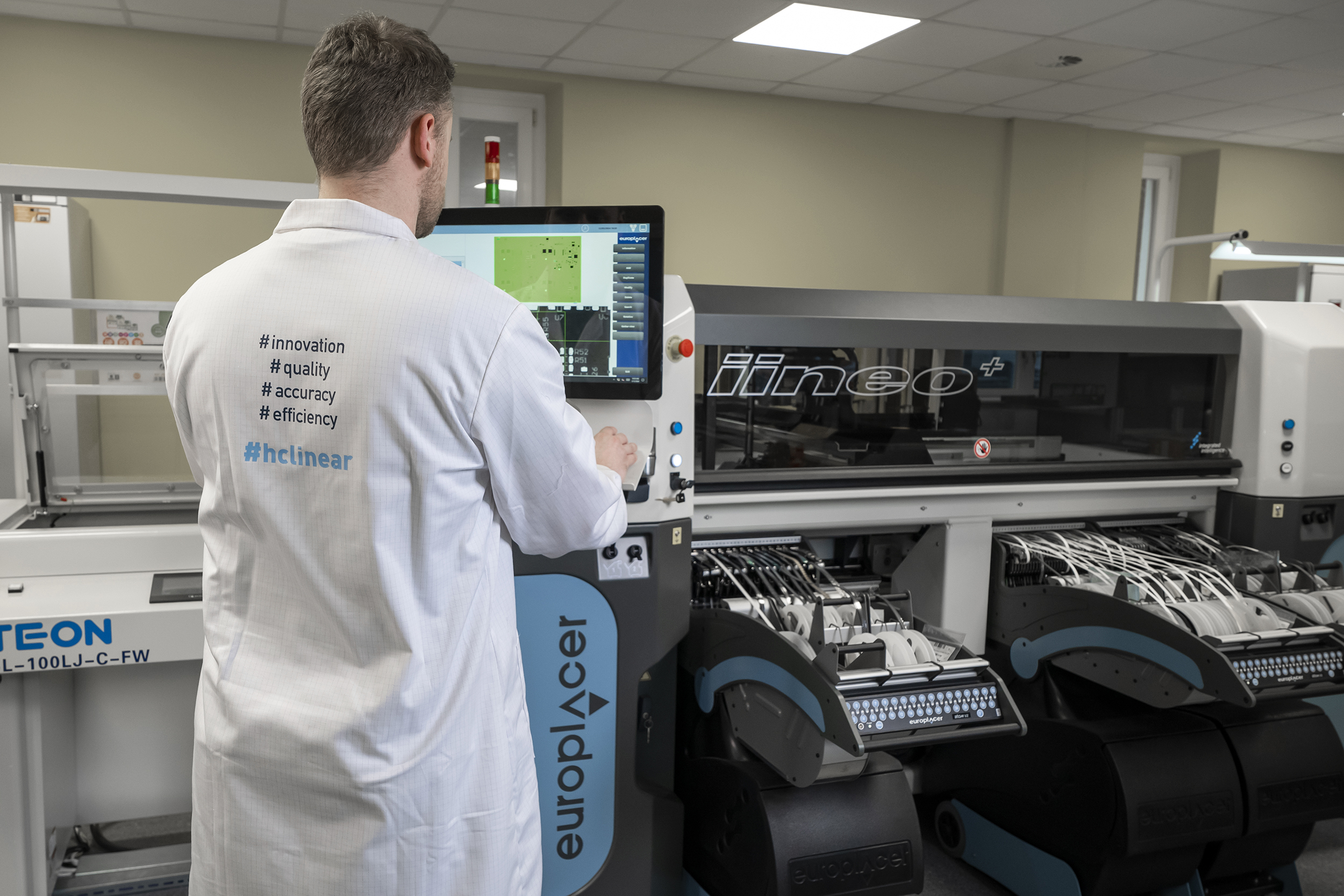
At our research and development center in Pécs, we operate advanced SMT (surface-mount) and THT (through-hole) production lines, along with a dedicated assembly area. These in-house capabilities allow us to respond quickly and flexibly to the needs of our development team—whether it’s prototype manufacturing or small series production. With a broad product range, our technicians are involved in a wide variety of tasks.
As a member of our team, you’ll be involved in various manufacturing and inspection processes throughout your day. The production of our LED displays is a great example of this. Watch our short video to see how it works:
Our technicians perform a wide range of tasks — from preparing components and materials to configuring the conveyor system and carrying out inspections, they oversee and execute the entire production process. At times, they may also be diagnosing a product that has returned for repair.
Of course, we don’t expect you to have experience in every area from day one. Our goal is to involve you in tasks that best match your skills and interests, while also allowing you to explore new technologies and workflows. Our experienced colleagues are happy to support your onboarding — whether it’s learning to operate machinery or getting familiar with software tools. You can always ask questions — we work as a team and never leave anyone on their own.
The workday is made easier by a single-shift schedule, fresh coffee, fruit, and a positive atmosphere. Collaboration is very important to us: regular team-building activities and company events strengthen our sense of community.
Join our team!
If you’re passionate about electronics, enjoy working with precision, and want to be part of a supportive, growth-driven community, this is the place for you. Check out our current job openings and join us!
InnoElectro 2025
A professional overview of the InnoElectro 2025 exhibition
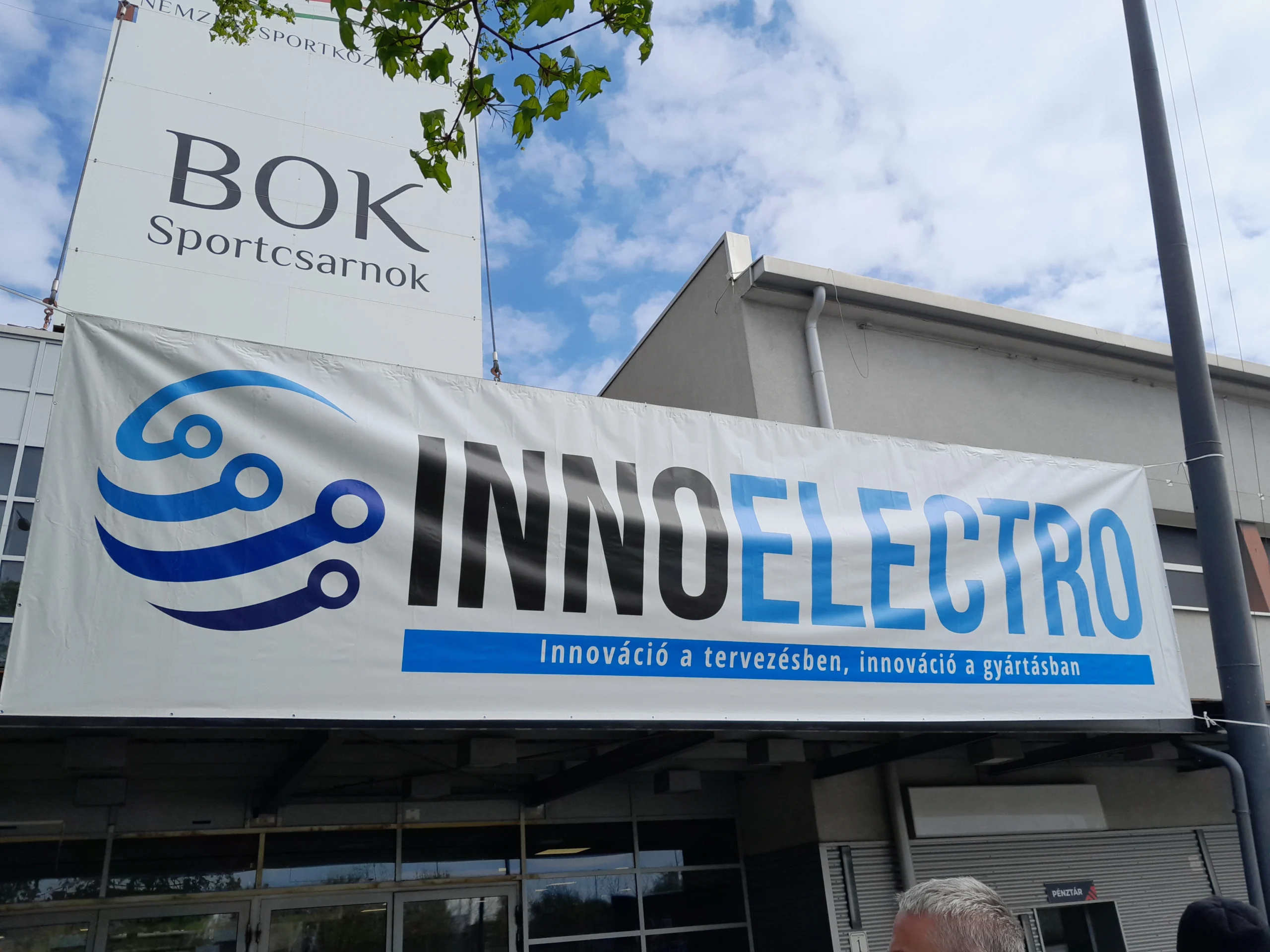
Every year InnoElectro is an important meeting point for the electronics industry. This year again, many manufacturers and distributors presented their latest developments, from PCB manufacturing and testing to automation and robotics solutions.
Below is a brief summary of the main technological trends and types of tools that have been highlighted this year.
Experience, technologies, trends
AOI systems: 2D or 3D?
There are still two main solutions for automatic optical inspection (AOI) on the market: 2D and 3D systems. 3D AOI equipment is capable of providing a perspective view of the PCB under inspection, but many manufacturers stress that 2D mode remains important for detailed inspection of solder defects.
Alternative soldering solutions
Several exhibitors presented automated soldering units that use a soldering iron head and solder wire dispenser moving on an X-Y-Z axis. These devices perform soldering one at a time, similar to manual soldering, but work at a steady and fast pace. They have the advantage of not requiring flux spray and allow for denser part layouts.
The role of artificial intelligence in design
The conference section of the exhibition also featured a number of interesting presentations, including on the role of artificial intelligence in PCB and hardware design. It was concluded that AI can currently mainly make suggestions based on previous designs, but that their final adoption and integration remains an engineering responsibility.
The presence of young talent
The exhibition was also an opportunity for young engineers and university students to showcase their own developments. BME students, for example, presented their rocket project “Prometheus“, which has been successfully competing in international competitions.
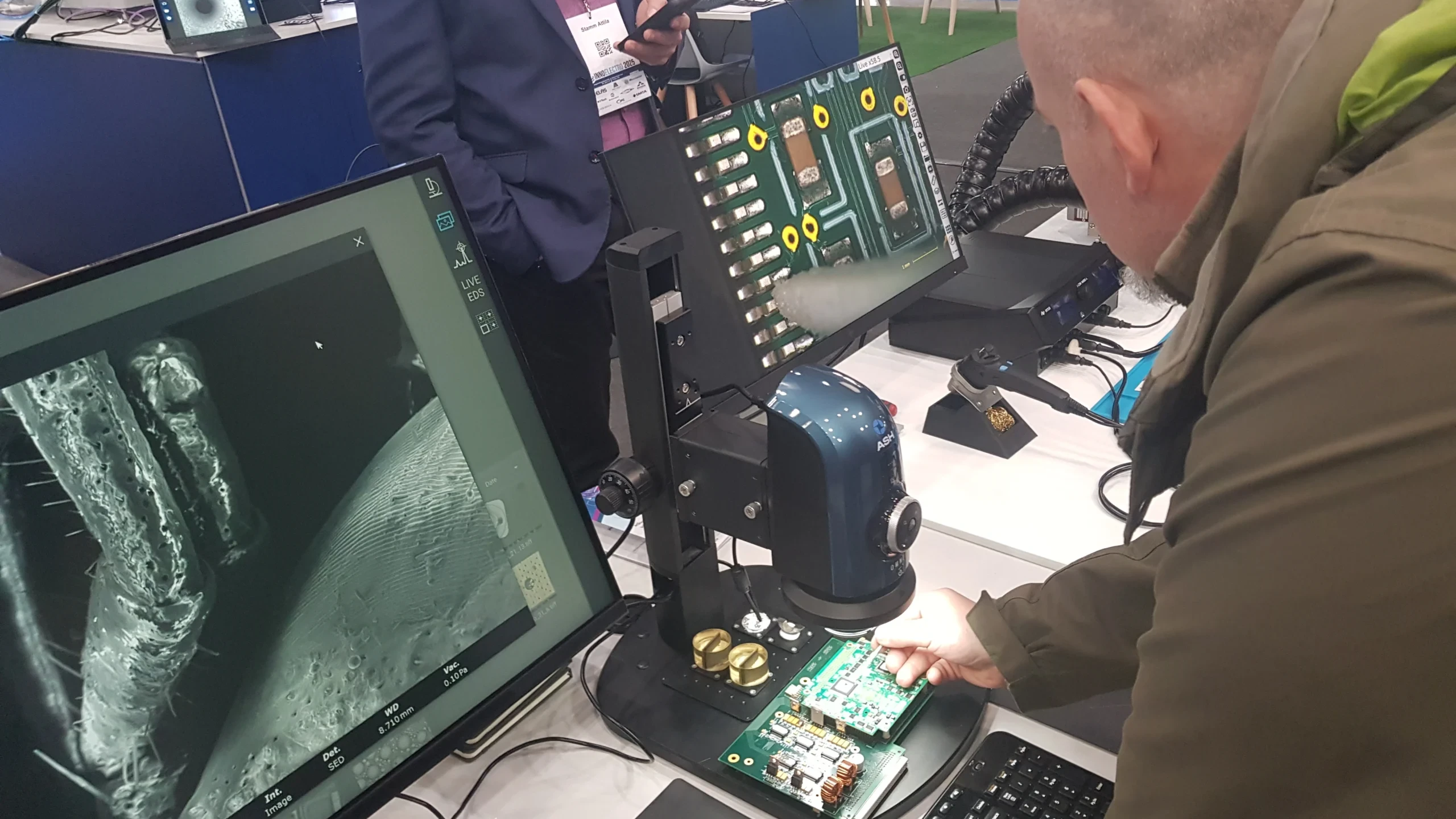
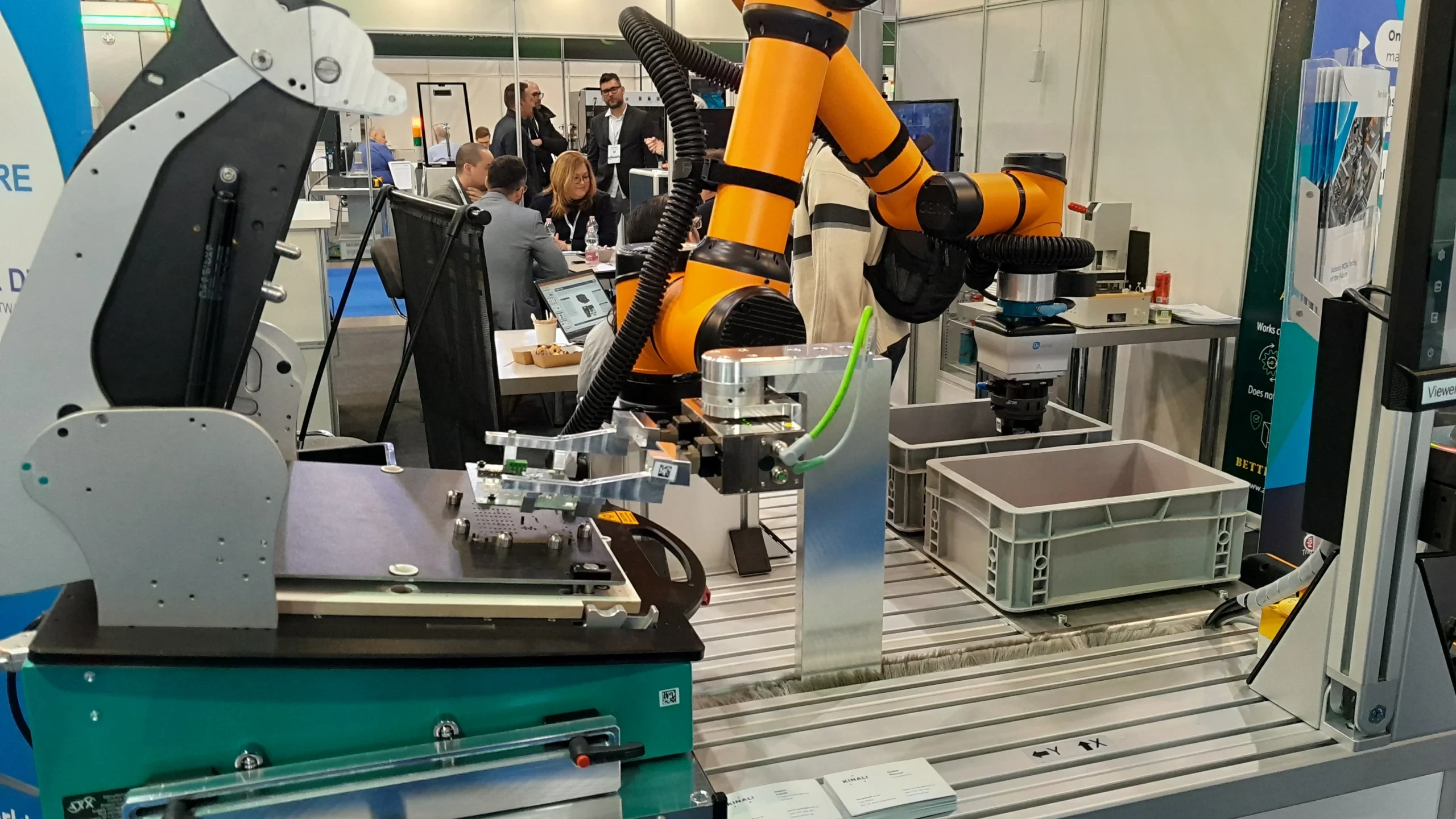
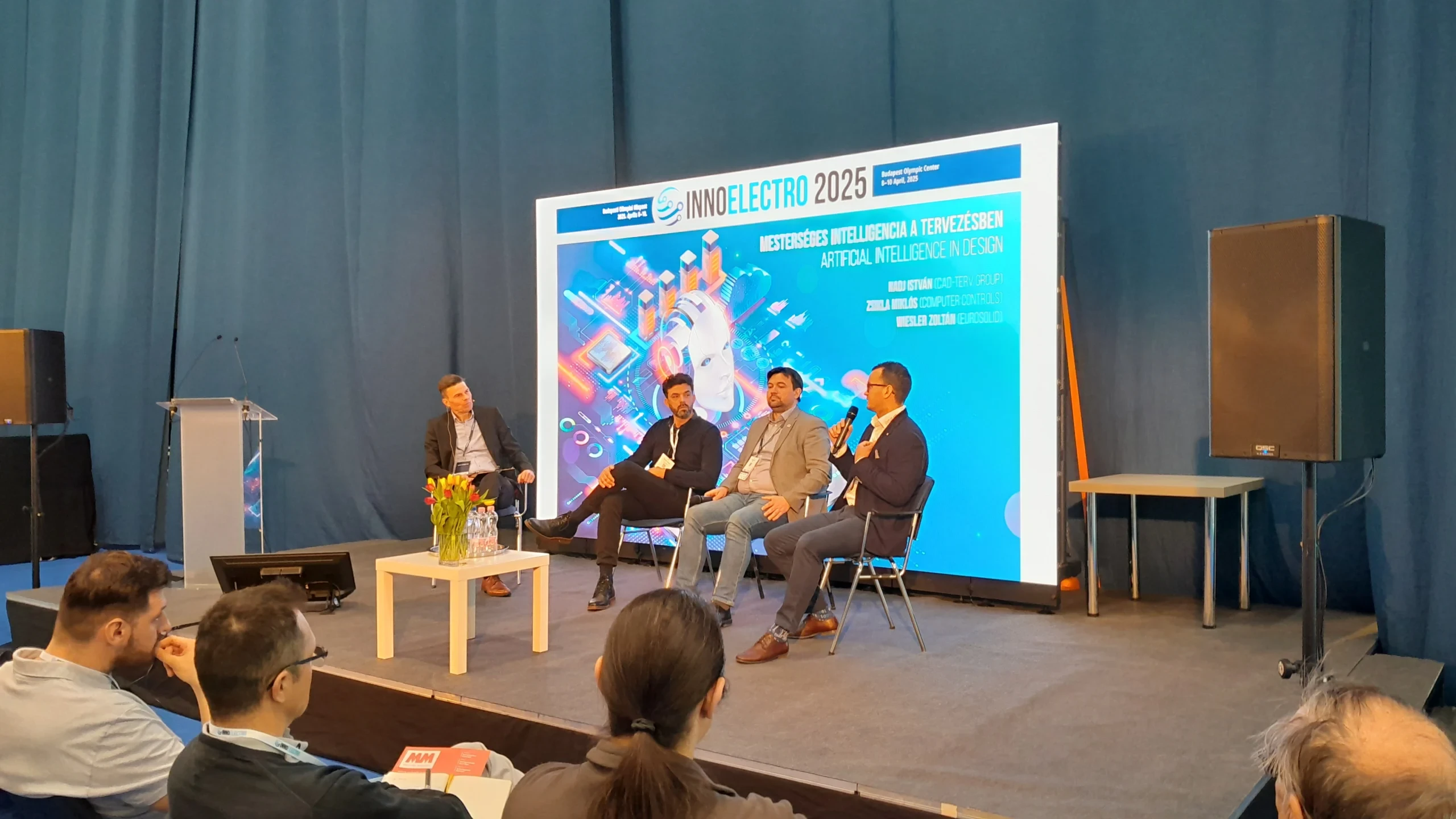
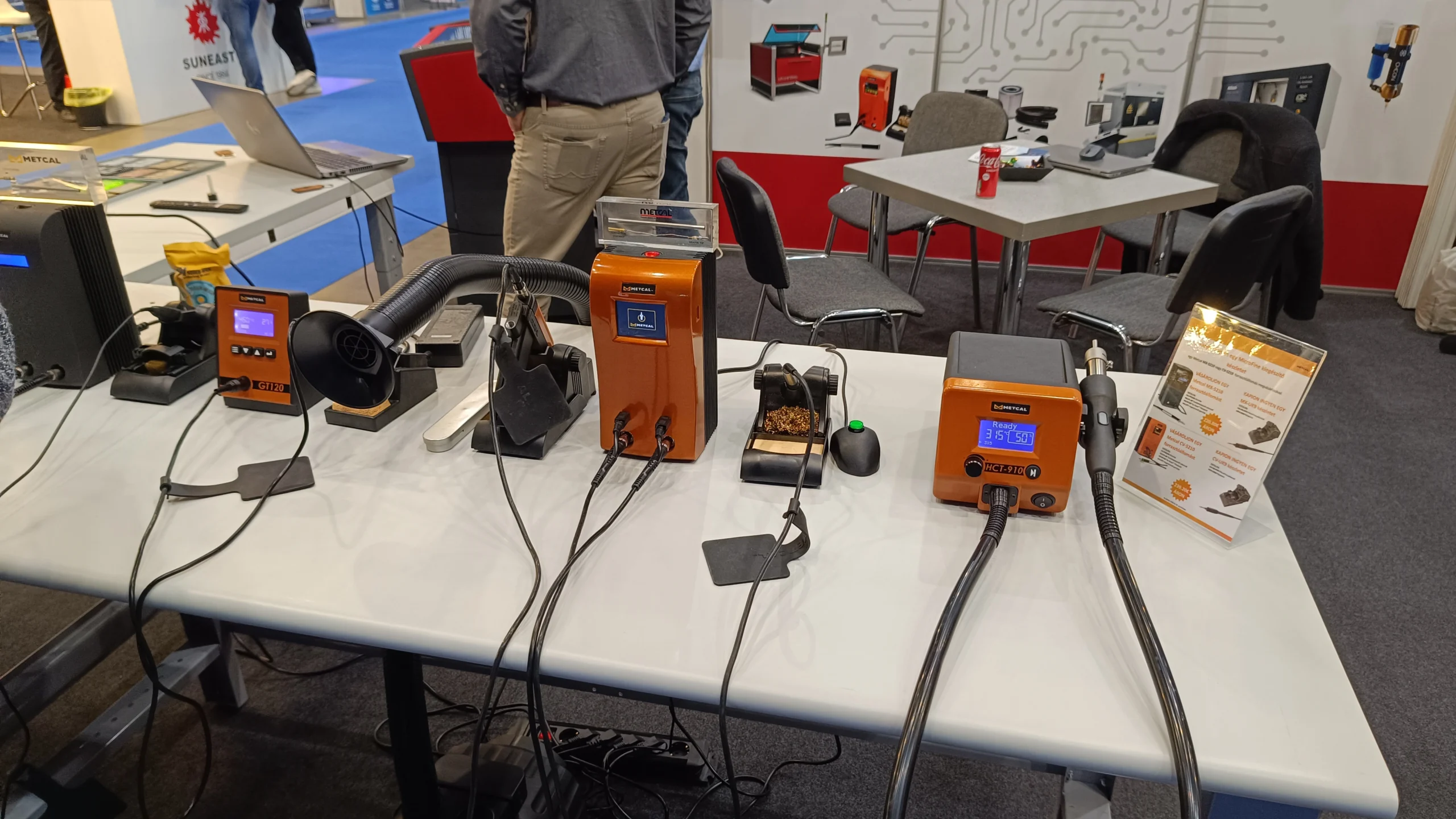
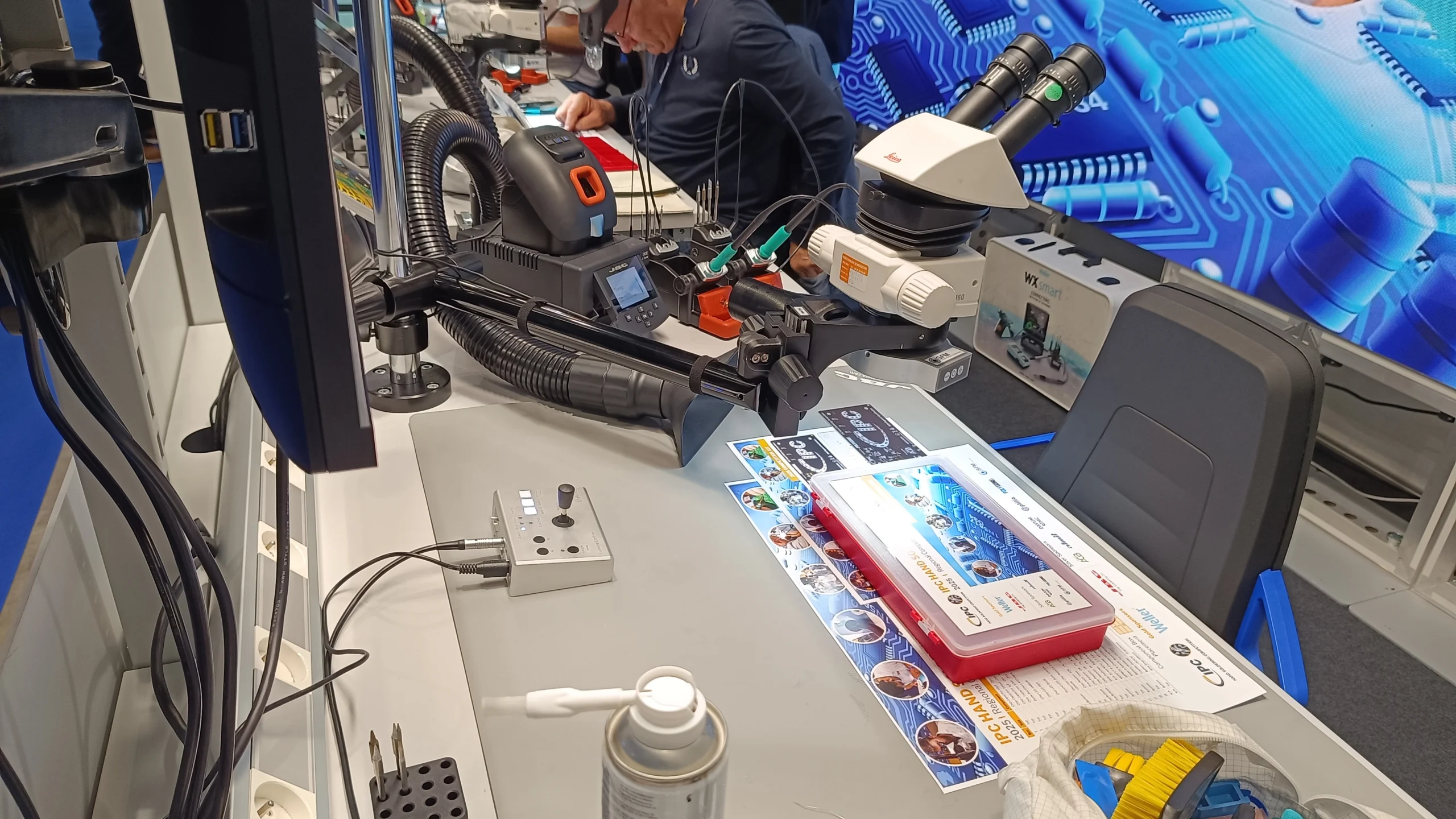
InnoElectro 2025 has once again confirmed its role as one of the most important industrial meeting places in the region. The wide spectrum of technologies and solutions presented illustrated the evolution of the electronics industry, with a focus on automation, reliable quality control and new types of integrated systems.
If you’re interested in these trends or have questions about a specific technology solution, we’re happy to discuss our experience. Contact us at one of our contact details!